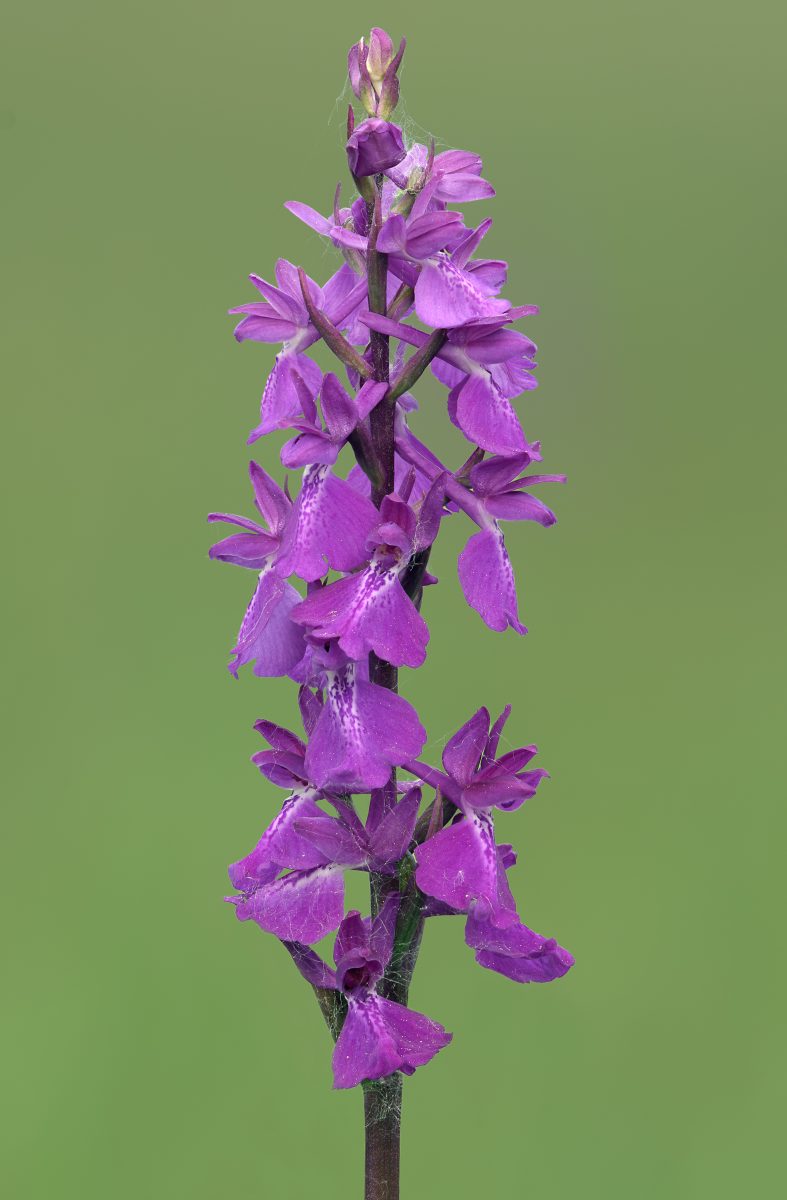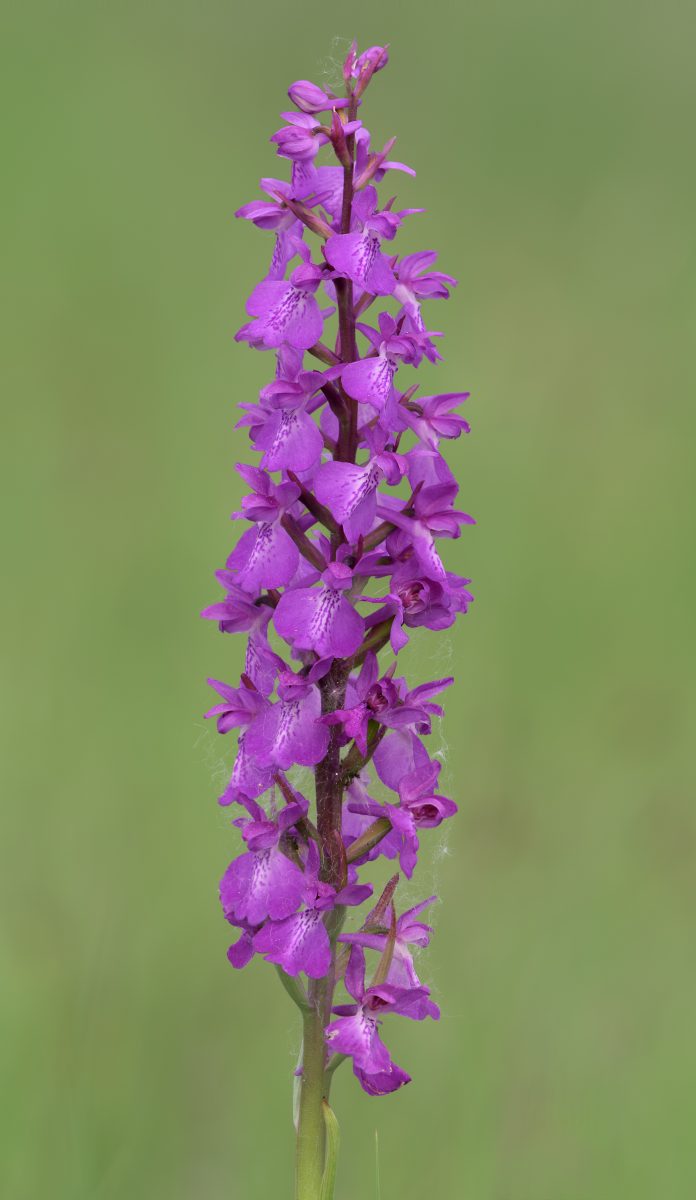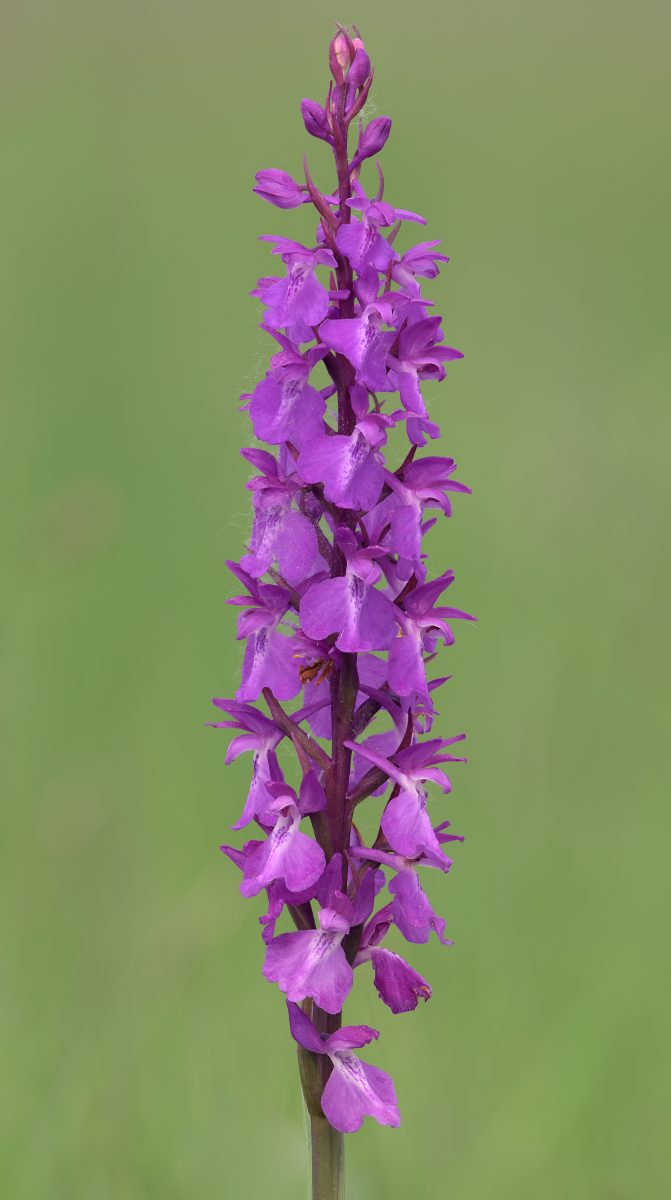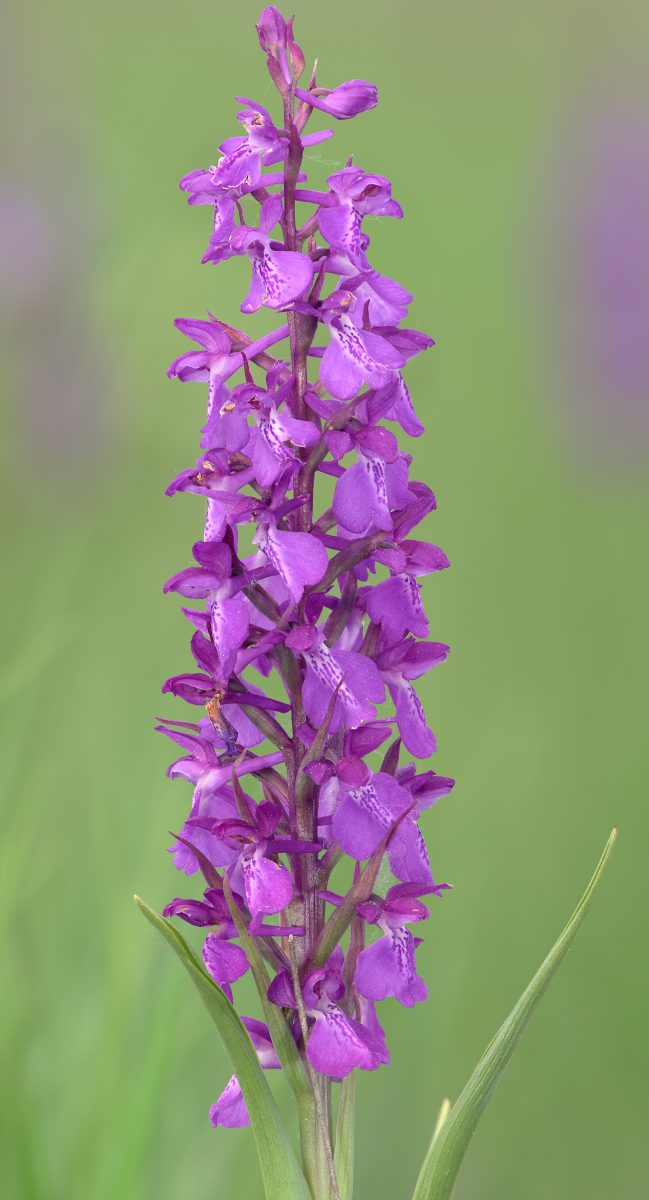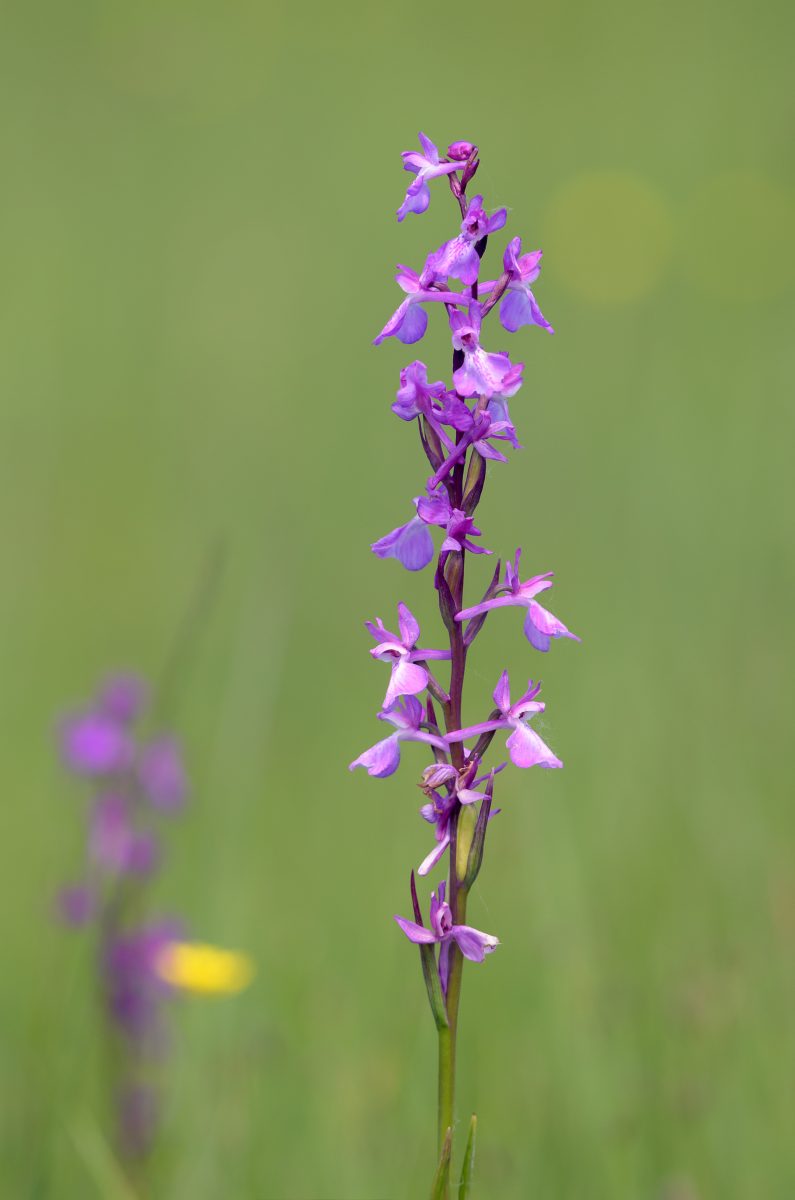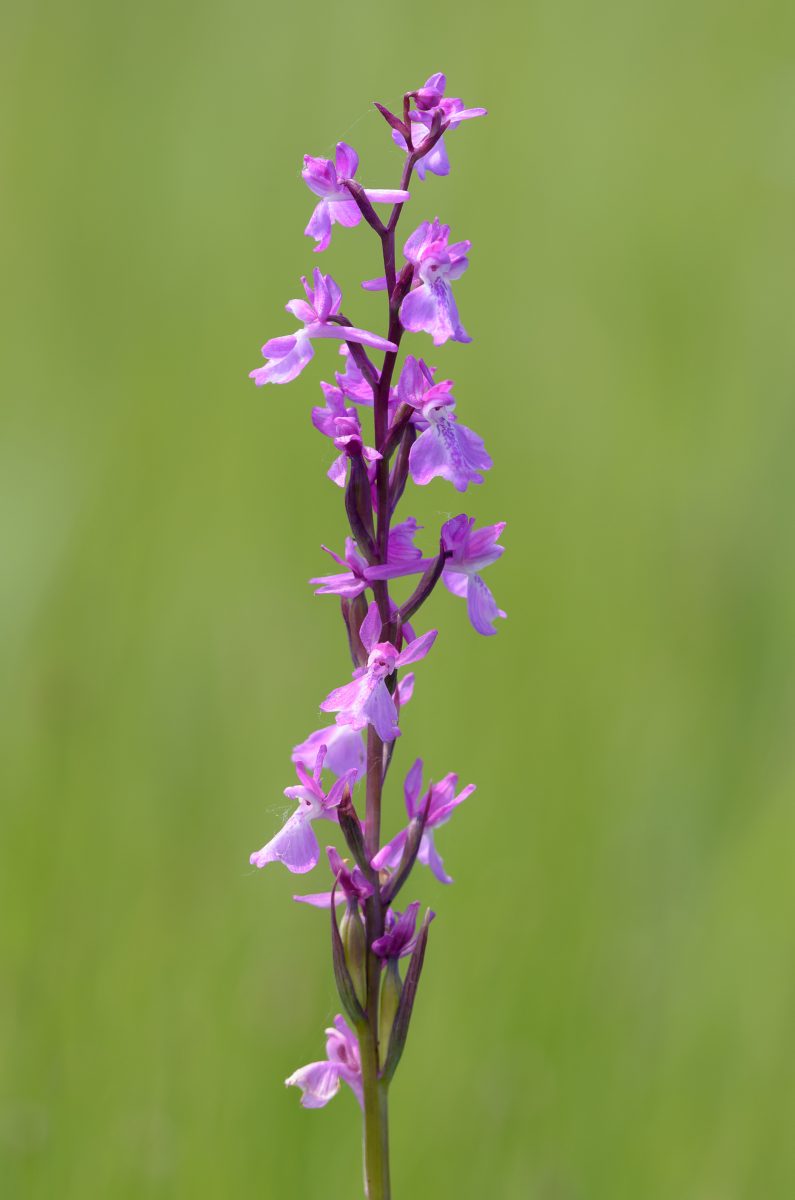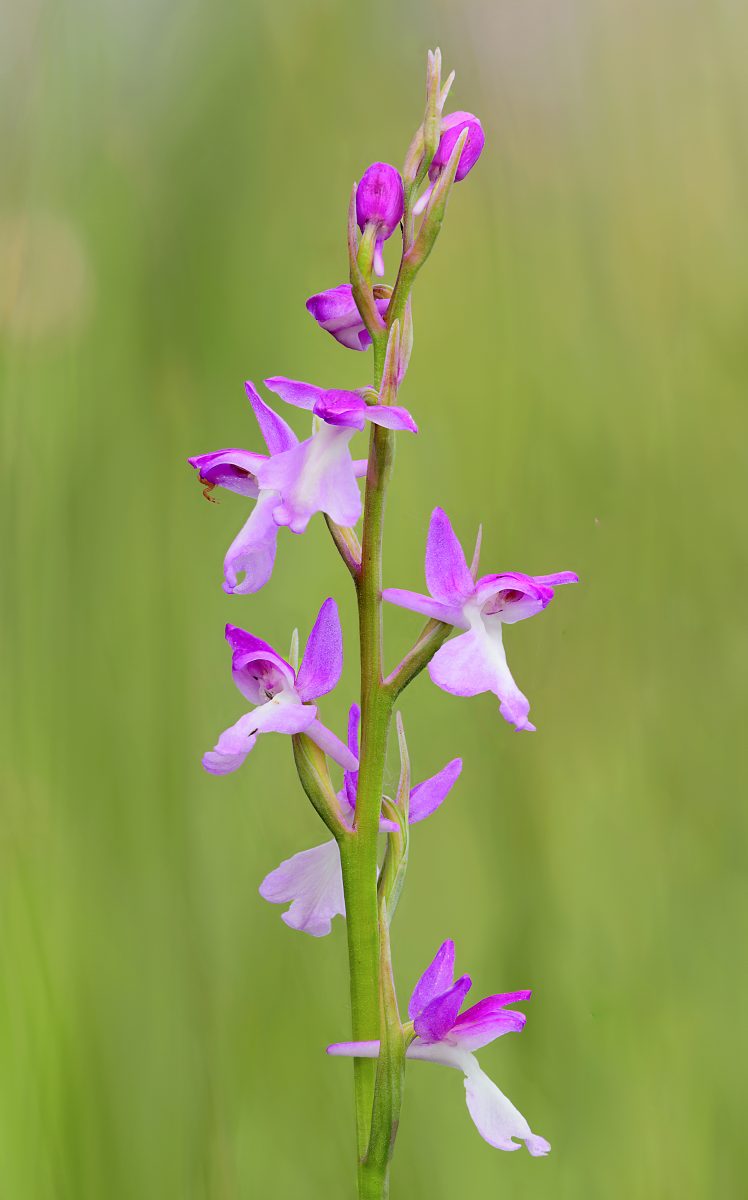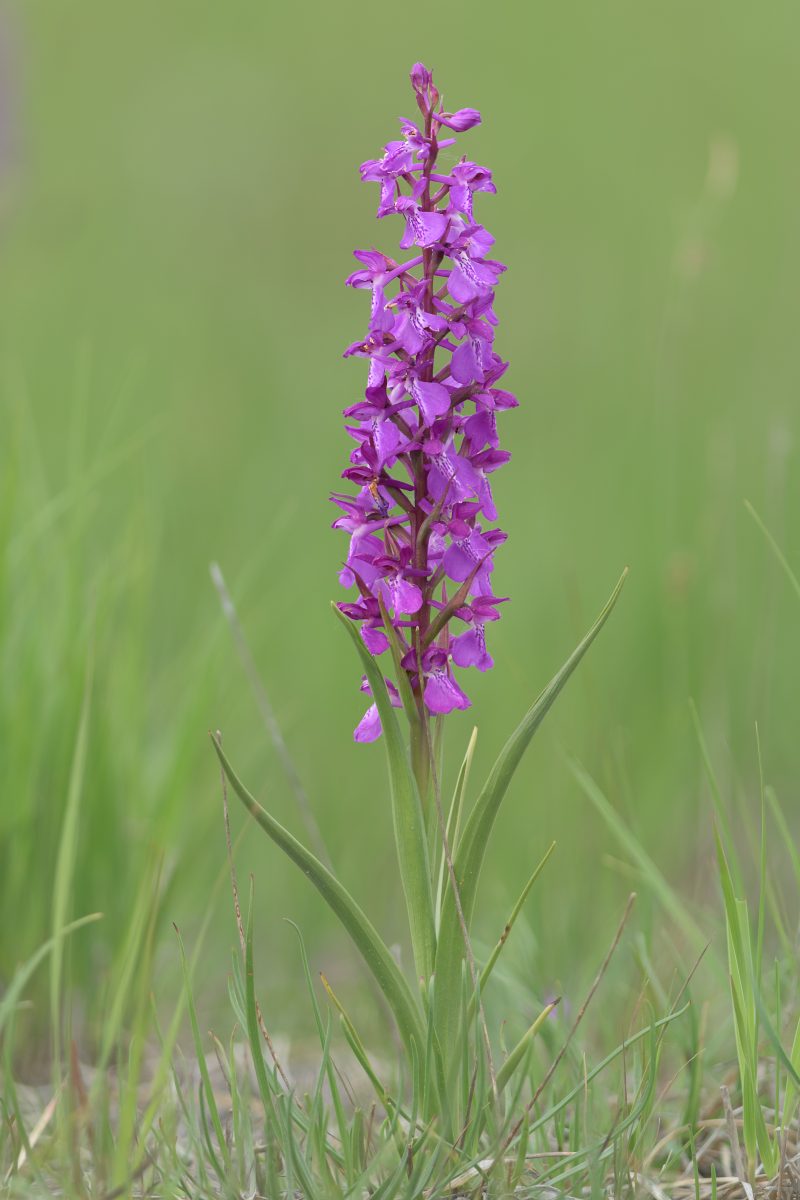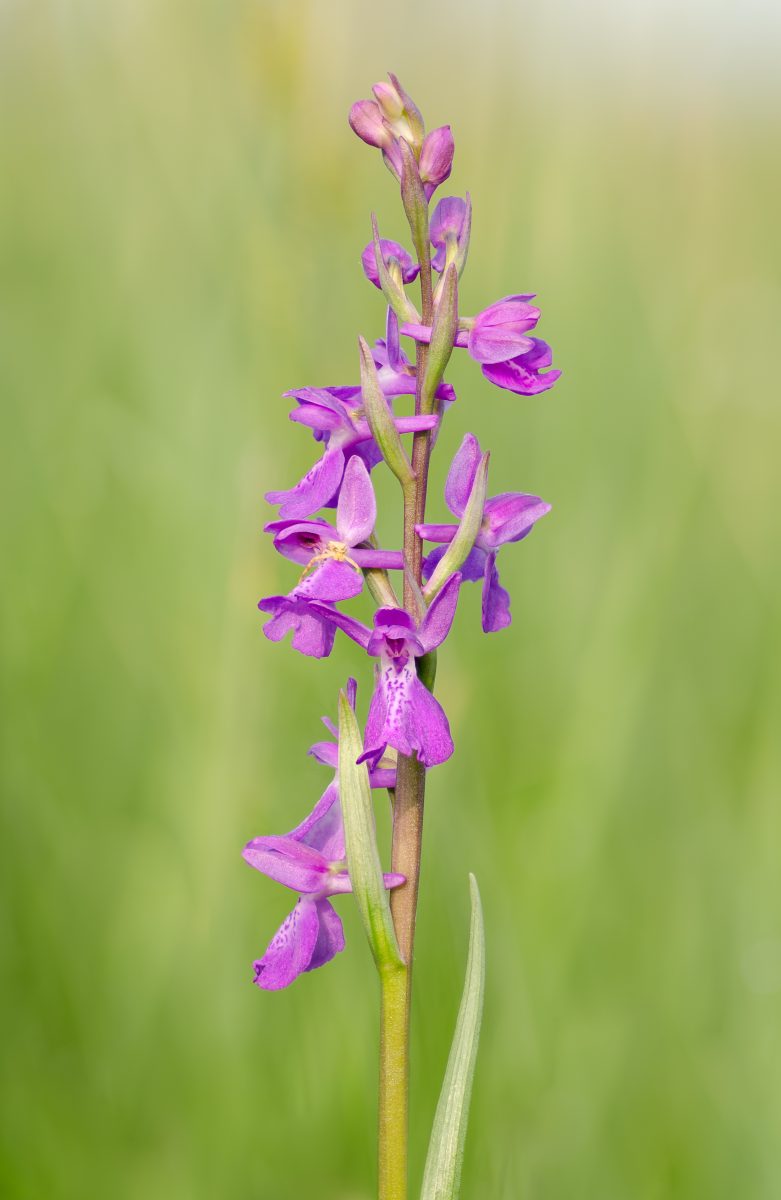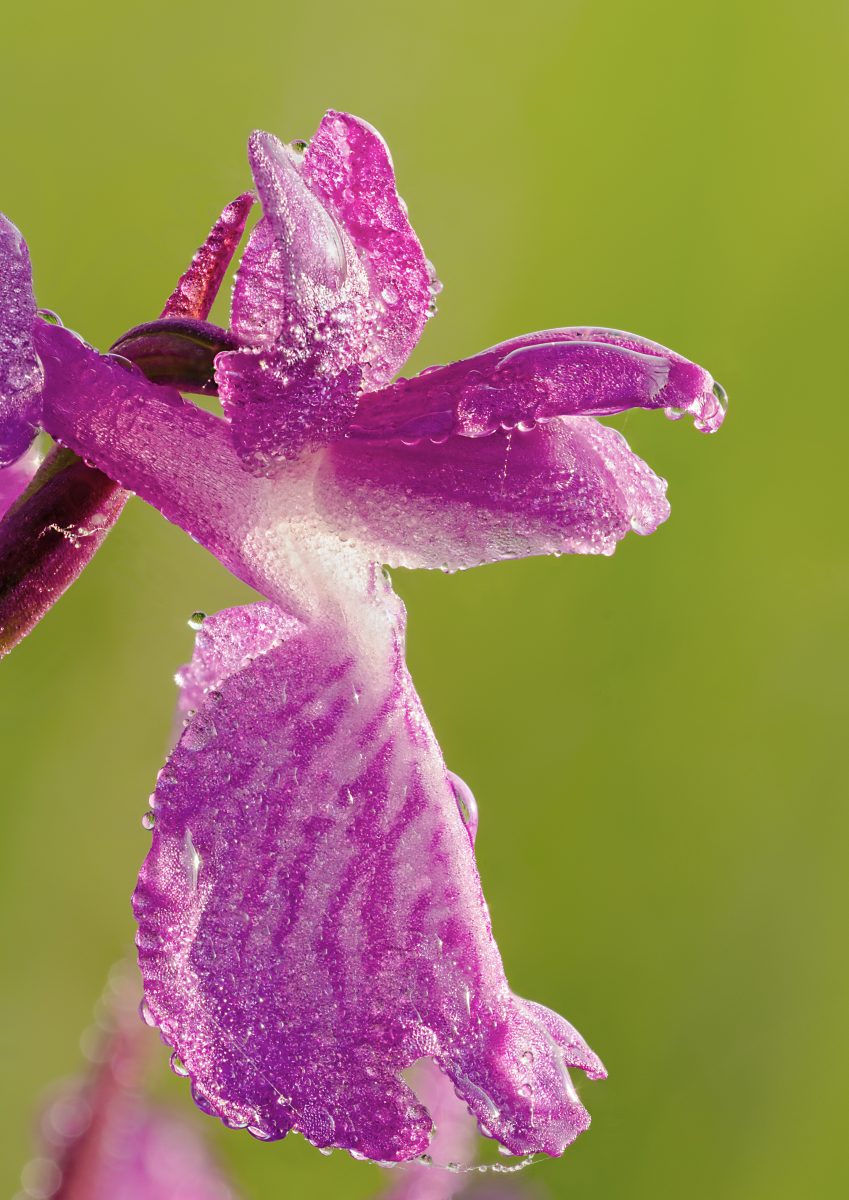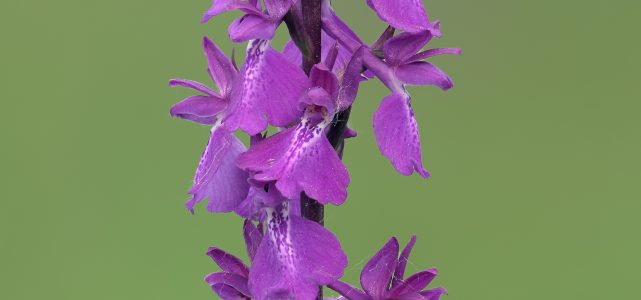
| Etymology: | The Latin Palustris means marshy, referring to its preferential habitats |
| Distribution: | Western, southern and middle parts of Europe, North Africa |
| Distribution in Hungary: | Danuba-Tisza Interfluve, Transdanubian Hills, Transdanubian Medium Mountains, Mezőföld Plain, Little Hungarian Plain |
| Flowering time | mid-IV. – mid-VII. |
| Flowering time in Hungary: | mid-V. – mid VI. |
| Similar species: | A. elegans, A. laxiflora, A. pseudolaxiflora |
My acquaintance with Anacamptis palustris goes back quite a long way. In fact, it was the very first orchid I ever consciously observed—that is, one I deliberately set out to find and actually found—back in 2013. Since then, we have continued to greet each other regularly, with a few longer or shorter gaps in between, although quite often I really do just say hello without taking a shot. What I mean is that when we cross paths, I don’t necessarily get my camera out, or at least not specifically because of it. And yet it is a truly decorative creature, belonging to that group of orchids whose relatively large stature makes them stand out even from a distance in the sometimes tall grass of fens, marshes, wet meadows and pastures. Its tall, straight spikes of purplish-pink flowers practically draw the eye in the exuberantly green landscape of late May.
For now, we—as Hungarians—can still immerse ourselves in its impressively large populations, especially if we venture out onto the seemingly endless meadows of the Kiskunság region, although in some parts of Transdanubia it is by no means surviving only as scattered individuals, as well. The water shortage, which can now fairly be described as chronic, and the biblical-scale droughts that are not unrelated to it, offer little cause for optimism about the species’ future. Sadly, the day may soon come when we really will have to search for it one plant at a time, in tiny, room-sized patches of damp ground scattered across dried-out lowlands. Its decline has already been considerable: the Hungarian Orchid Atlas, published in 2011, estimated that the country’s population had fallen by around 50% between 1990 and 2010 alone. Alongside unfavourable climatic trends, the situation has been exacerbated by inappropriate grassland management and use, the ploughing up of habitats, and the abandonment of mowing and grazing. Still, our situation is relatively favourable compared with that elsewhere. The decline of populations in Western Europe has been far more dramatic; in Germany, for example, a staggering 86% of the population has simply disappeared! Even so, Hungary is still home to millions of specimens, which is certainly a significant number on a European scale. Perhaps this very abundance is also why its conservation value is a mere HUF 10,000 per plant.
Hungary is also in an unusual position in another respect: this is where A. palustris meets its sibling species (or subspecies; I won’t delve into that debate here), namely Anacamptis elegans, which occurs mainly east and south of us. As a result, Hungarian orchid enthusiasts sometimes face the problem of figuring out exactly what they are looking at in the undergrowth—or, more precisely, in the boggy mire. This particular nuisance is most likely to arise in parts of the Kiskunság and Transdanubia, where both species can emerge from the same waterlogged soil at the same time. The situation is much clearer east of the Tisza, where there is a very good chance that the more elegant sibling is the one we are dealing with.
But if we don’t want to rely on geography alone for identification, here are a few distinguishing features. The elegant marsh orchid is slightly larger even than the marsh orchid and grows taller; its inflorescence is more crowded, the labellum of each individual flower is rounder, and the spur forms an obtuse angle with the plane of the labellum (whereas in the marsh orchid, the angle is acute). If there happens to be a particularly privileged patch of land west of the Tisza where both species (or subspecies) grow side by side, hybridisation is practically inevitable. At that point, you can get down on your knees, whether to say a little prayer or perhaps to give the aforementioned anatomical parts a thorough once-over.
In some parts of the Kiskunság and Transdanubia, however, it isn’t just A. elegans that causes confusion in the force: the occasional mass occurrence of the bug orchid (Anacamptis coriophora) can also muddy the waters. Proximity is tempting, after all, and plants often seem quite unable to resist it. The result is the not-so-rare appearance of hybrid offspring, which the orchid community—ever eager to slap a label on this sort of botanical hanky-panky—has christened Anacamptis × timbalii.
There is plenty of potential for similar saucy encounters among the other members of the Anacamptis genus, too. These include the pyramidal orchid (Anacamptis pyramidalis) and the green-winged orchid (Anacamptis morio). So far, however, no one has managed to catch them in the act here in Hungary. That doesn’t mean we won’t have the good fortune to witness such an event in the future—just look at the extraordinary case of Anacamptis × laniccae!
Back to the genus Anacamptis ↶