| Etymology: | The old name of the Turkish Province, Mersin – Içel, where the species was found and described |
| Distribution: | Turkish endemism, only in Mersin Province |
| Flowering time: | mid-V. to mid-VI. |
| Taxnonomy: | O. transhyrcana group |
| Similar species: | O. amanensis |
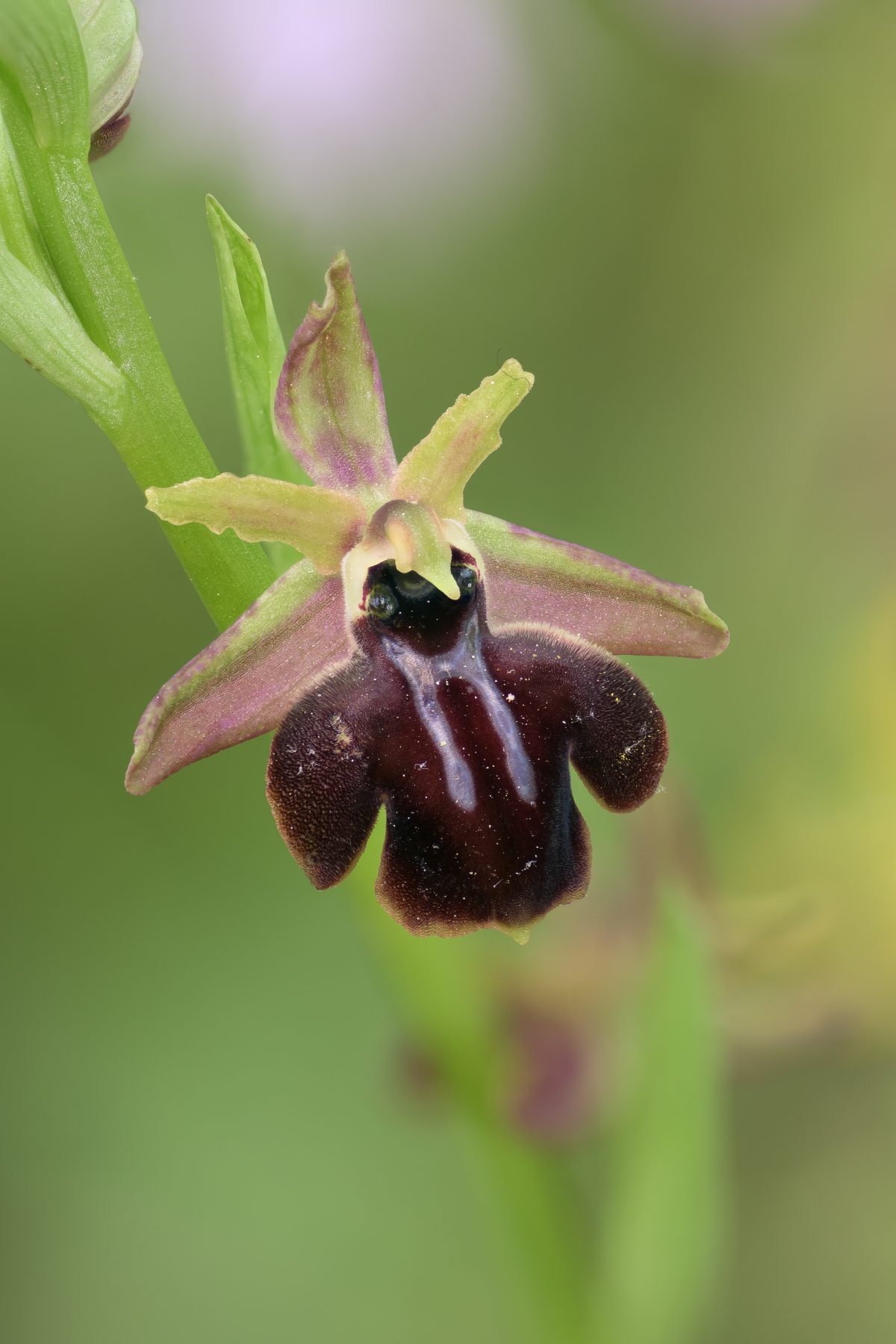
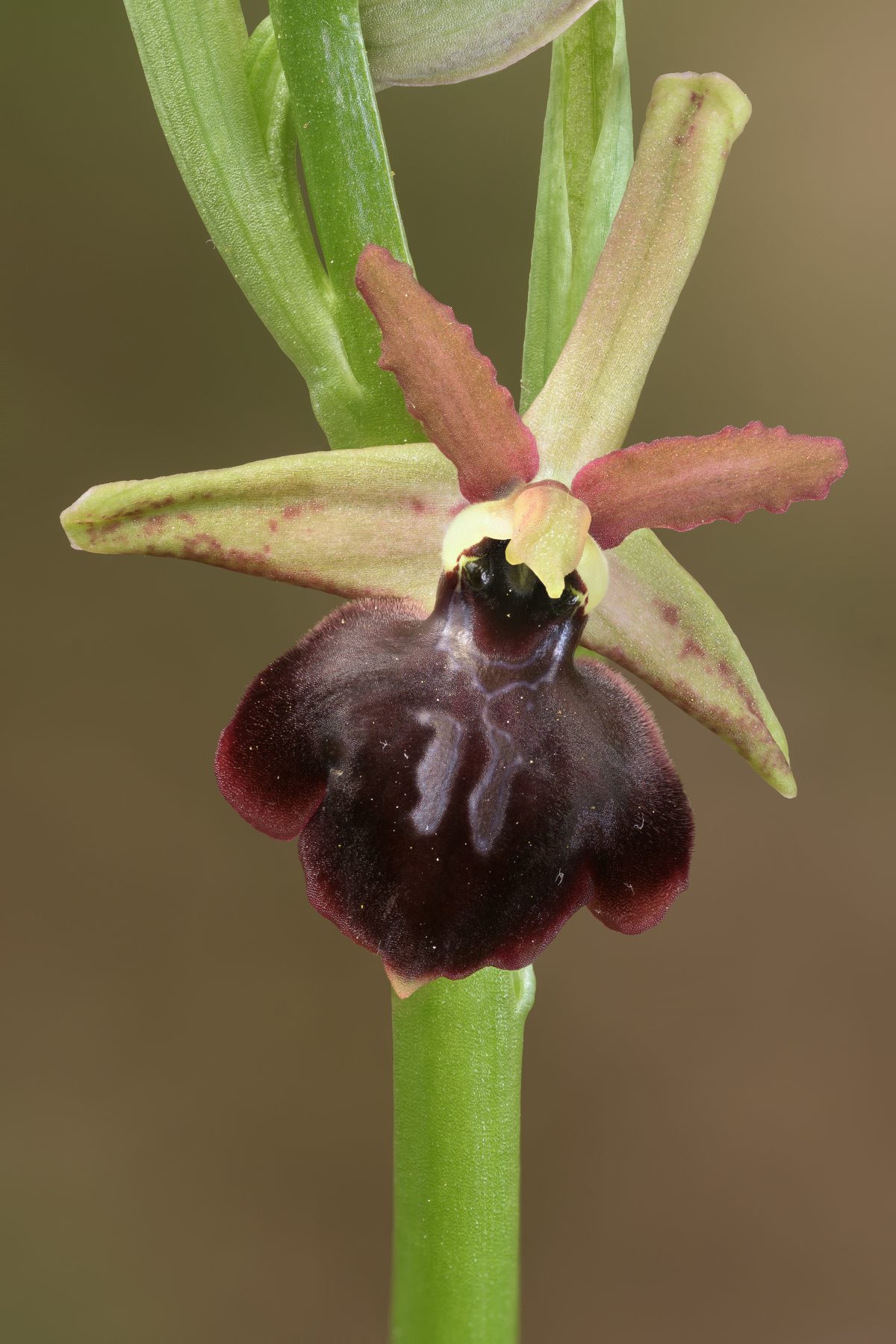
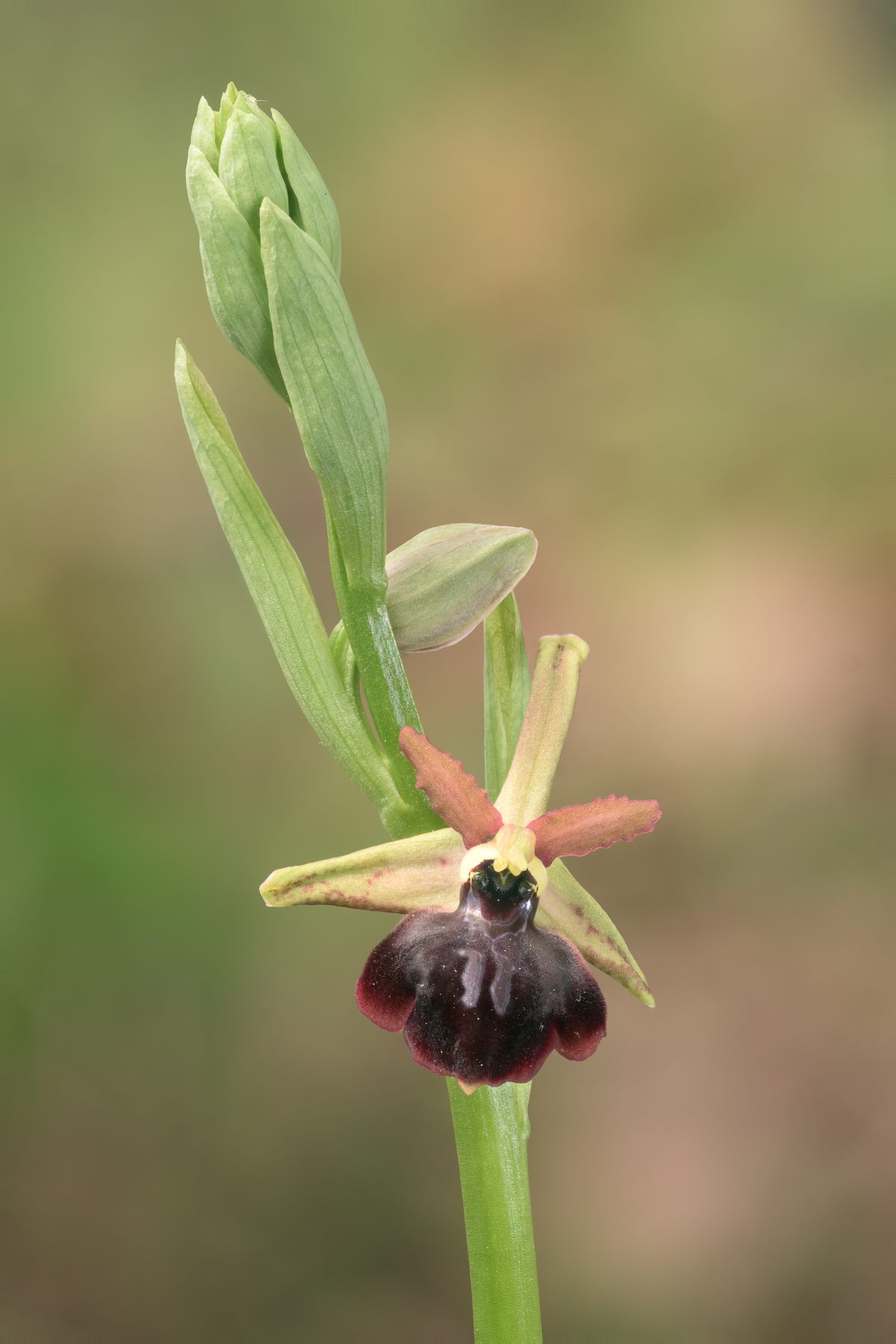
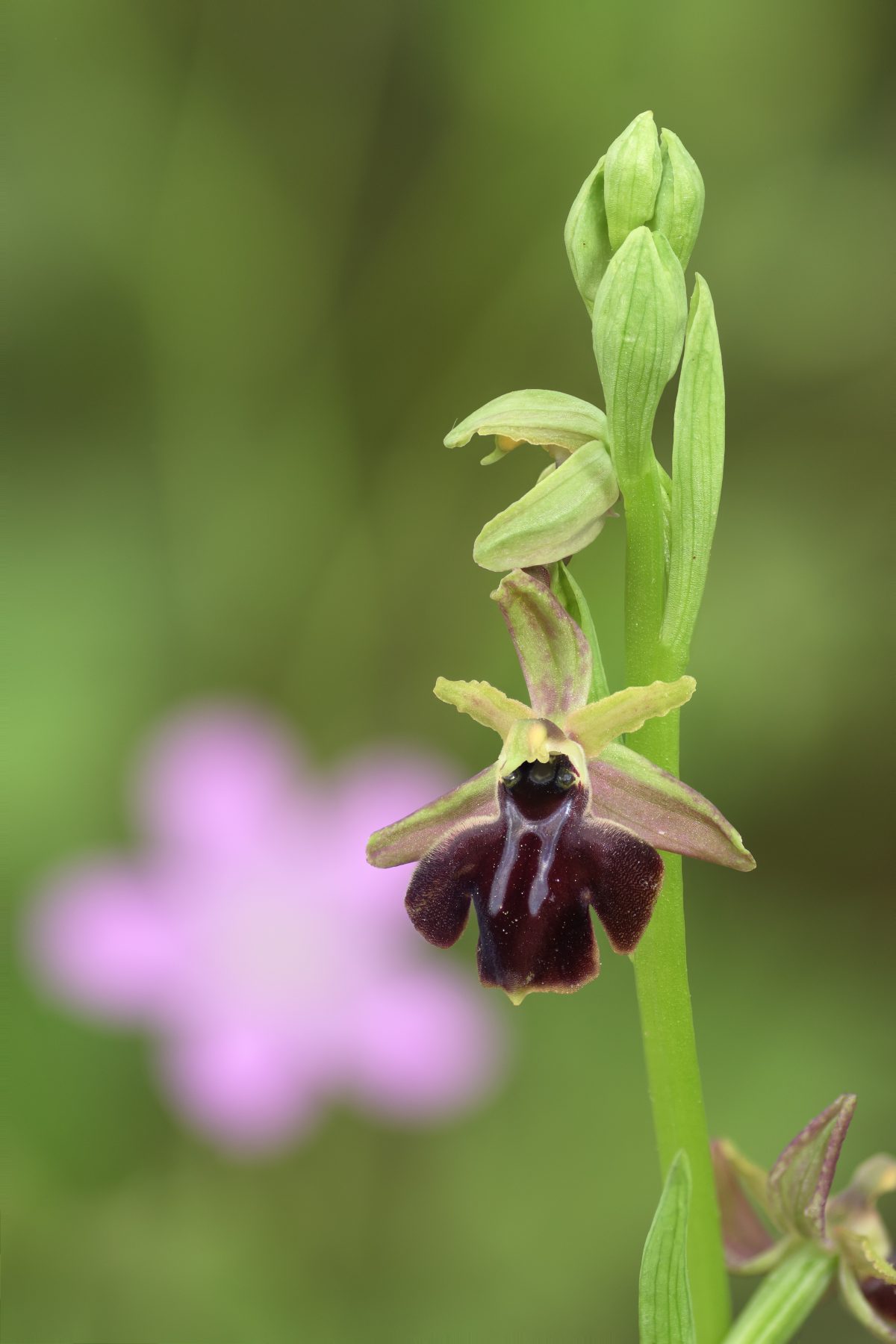
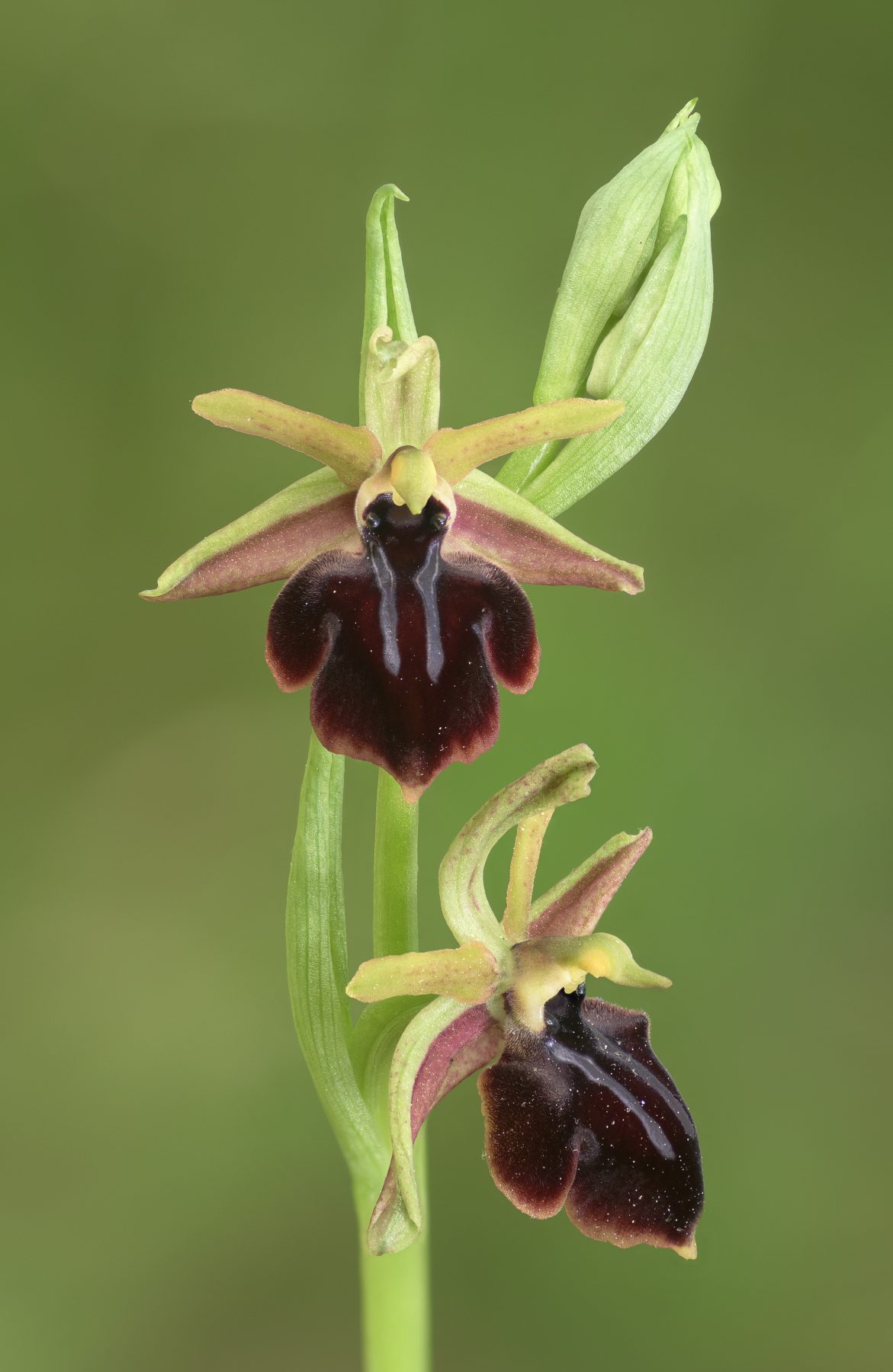
The species in question was formally described by Kreutz in 2000, although he had first encountered it as early as 1988 in the Soğucak Cemetery near Mersin in southern Turkey—where, incidentally, it is still thriving today. In his 1998 monograph Die Orchideen der Türkei, Kreutz referred to these plants simply as “Sippe Soğucak” and considered them to be the result of some degree of hybridization between the locally occurring Ophrys amanensis, Ophrys mammosa, and the Caspian-region species Ophrys transhyrcana. During the following years, additional populations were discovered at several sites in Mersin Province, which eventually provided sufficient justification for describing it as a distinct species. It was named Ophrys iceliensis in honour of İçel, the former name of the province. Interestingly, as Ophrys amanensis has gradually declined throughout the region, Ophrys iceliensis has seemingly taken its place. While the former virtually disappeared from the view of orchid enthusiasts for decades, Ophrys iceliensis continued to appear reliably year after year at its handful of known localities.
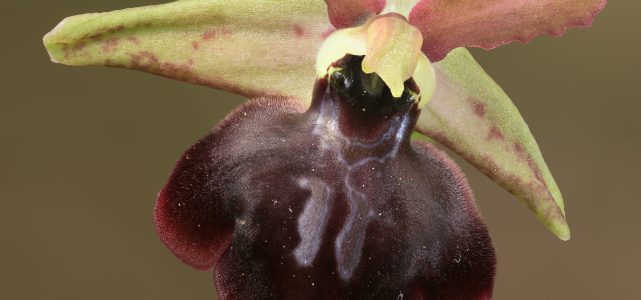
At first glance, the plant resembles a green-flowered Ophrys amanensis (indeed, more conservative taxonomists still regard it as merely a subspecies of the latter). Besides their shared characters—reduced or absent basal swellings on either side of the labellum and often well-developed lateral lobes—there are several subtle differences. The labellum of Ophrys iceliensis is smaller, darker, and more brownish, whereas that of O. amanensis is typically cherry-red to purplish. Its pseudo-eyes are usually larger and greener (those of O. amanensis are generally smaller and bluish-white), the speculum is less contrasting, and the beak of the gynostemium is shorter. It is also often stated that O. iceliensis flowers somewhat later than O. amanensis, although our own observations do not support this. During our visit in mid-May 2023, in what was an average spring, it had already begun flowering by the middle of the month.
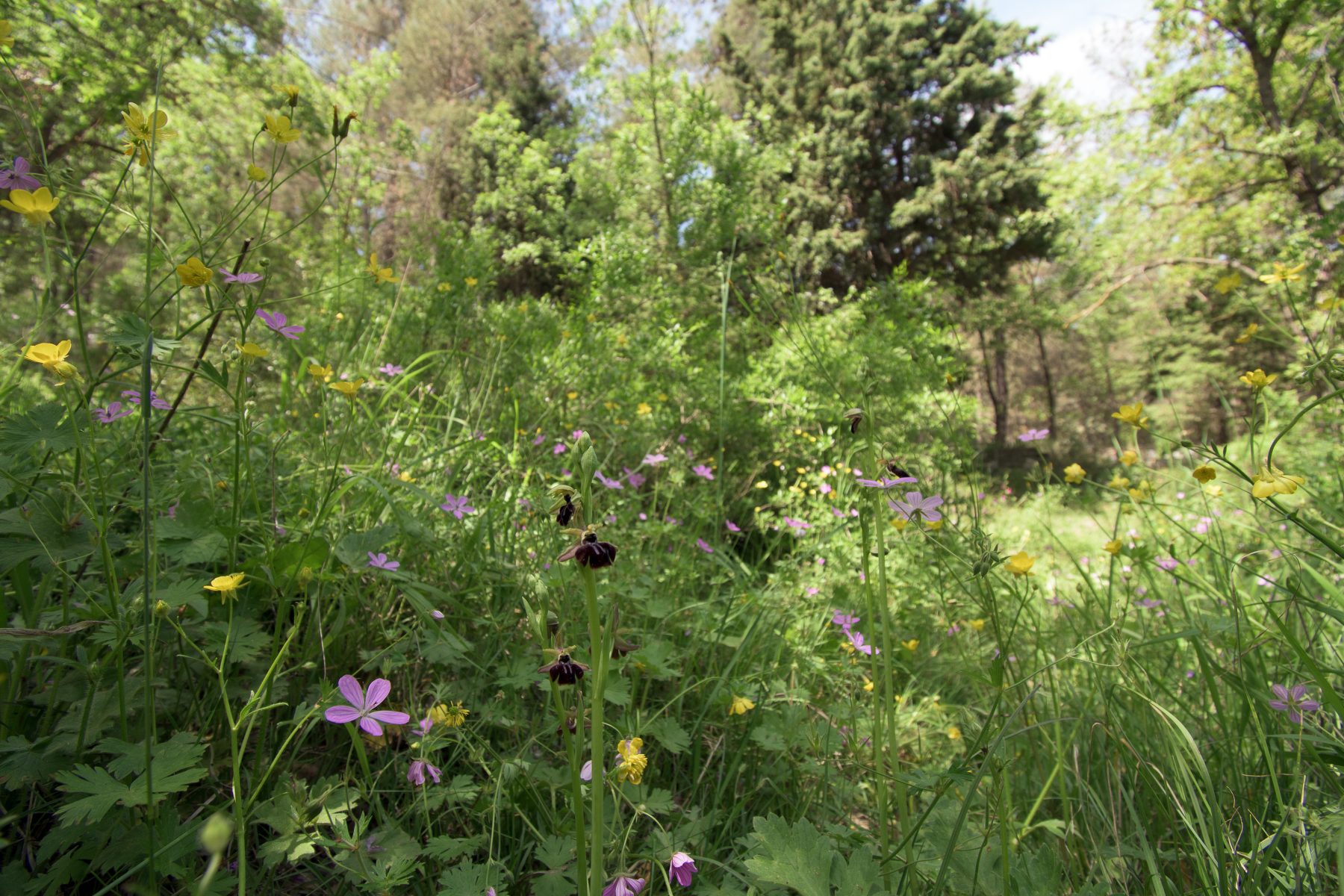
We also visited the locus classicus, where we found only a handful of plants growing alongside another Mersin endemic, Ophrys toroslaria. However, despite searching carefully at another of its known localities, we failed to find a single specimen. Hopefully, it will not end up sharing the fate of Ophrys amanensis…