

| Etymology: | After the name of Max Schulze (1841-1915), botanist of Jena, who was a large contributor to the knowledge about German orchids |
| Distribution: | Eastern: Southwest Turkey (Hatay, Diyarbakır, Siirt, etc.), Syria, Lebanon, Iran, Iraq |
| Flowering time: | early V. to mid-VI. |
| Taxnonomy: | O. apifera group |
| Similar species: | O. badinei |
The true star of our 2026 Eastern Turkey orchid tour in mid-May was Ophrys schulzei. Beyond its unique appearance, part of its appeal lies in the fact that it grows exclusively in regions that are difficult to access and often politically sensitive: northern Iran, the Kurdish region of Iraq, Syria, Lebanon, and the predominantly Kurdish areas of southeastern Turkey (plus Hatay Province). Of these, the Turkish localities seemed the most feasible option, as relative stability has prevailed in Turkey’s Kurdish-inhabited regions for some time now. Indeed, during our visit we experienced nothing but hospitality, helpfulness, and friendliness.
So O. schulzei (named in honor of the 19th–20th century German botanist Max Schulze) had long been a dream species of mine. Ever since poring over Kreutz’s colossal 1998 book on the orchids of Turkey, I had been eager to see it. This is not one of those species distinguished from a near-identical relative by tiny, often barely detectable differences. It does not leave you thinking, “But this looks exactly like species X.” Rather, it is genuinely a distinctive creature in its own right. If it has to be placed somewhere, its closest relative is the Bee Orchid (Ophrys apifera), and botanists likewise assign it to this rather small group. In fact, there is only one other member of the apifera lineage: O. badinei, which is an even tougher target than schulzei, being restricted entirely to the Kurdistan region of Iraq.
The perianth segments clearly exhibit Bee Orchid characteristics. The pinkish sepals and petals are relatively large in proportion to the labellum, while the median outer sepal is strongly recurved. The labellum itself resembles a small, colorful ball, being strongly curved, with lateral lobes that are almost disproportionately large and densely hairy, giving the flower the appearance of wearing boxing gloves. The labellum pattern, however, is more in line with the classic Ophrys style. At the point of bulging, the marking forms a navel-like pattern, while the basal field is small and the pseudo-eyes are often elongated. The plant itself can be quite slender, bearing numerous flowers that are usually spaced rather far apart—although one of the specimens in the gallery below provides a notable exception.
We found it in only one region, in Diyarbakır Province between Lice and Kulp, occurring in two patches relatively distant from one another. It grew in open areas but under the shade of small groups of oak trees, always close to watercourses—an accurate summary of its habitat preferences. In the Siirt region, from which several records are also known, we did not encounter the species at all. However, we did find evidence of its presence: two probable hybrids (with either Ophrys arameorum or O. mesopotamica) appeared before us in a local cemetery (see gallery below). Both earlier reports and our own observations suggest that the species is gradually declining and disappearing in Turkey, primarily as a consequence of habitat degradation and destruction.
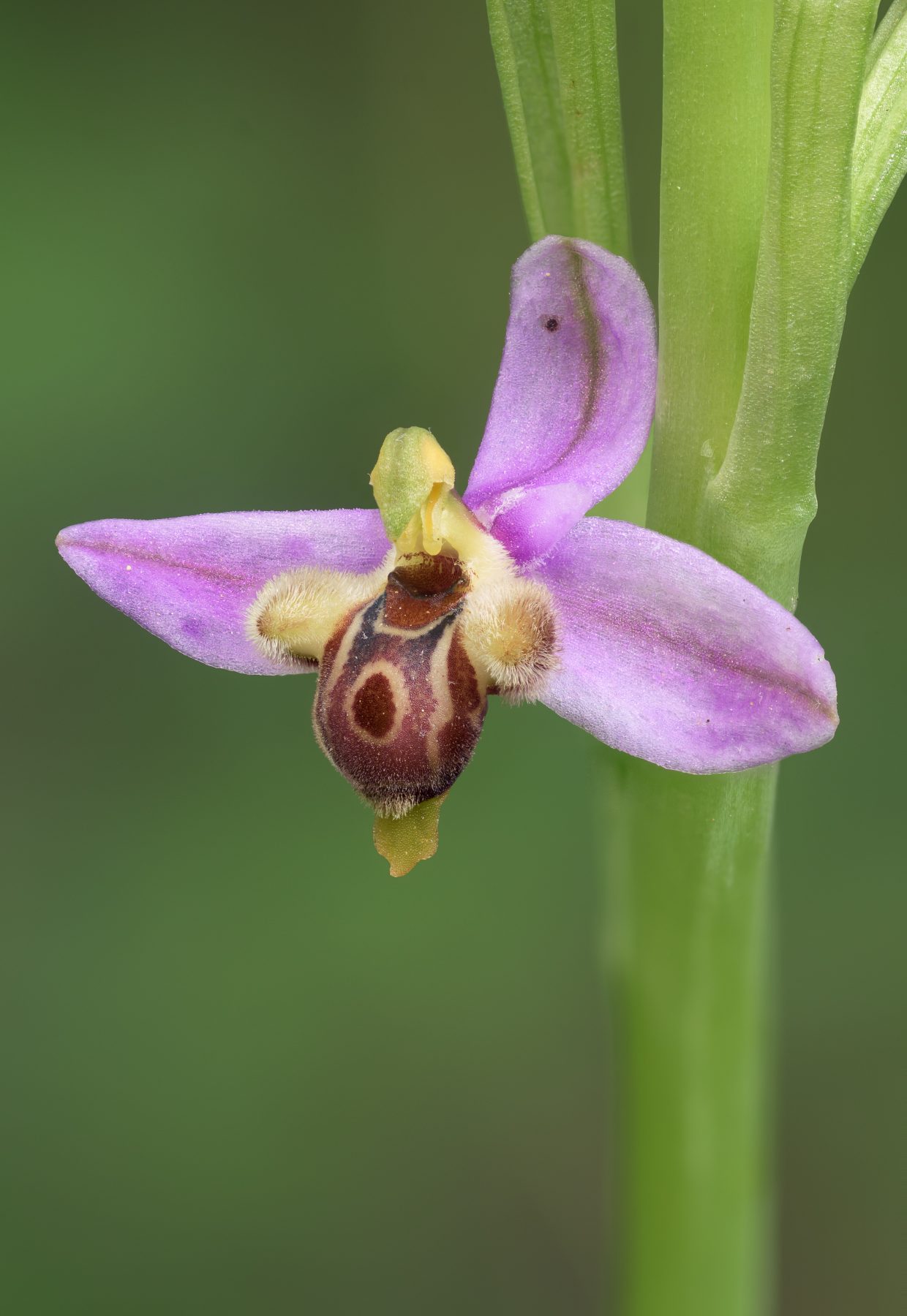
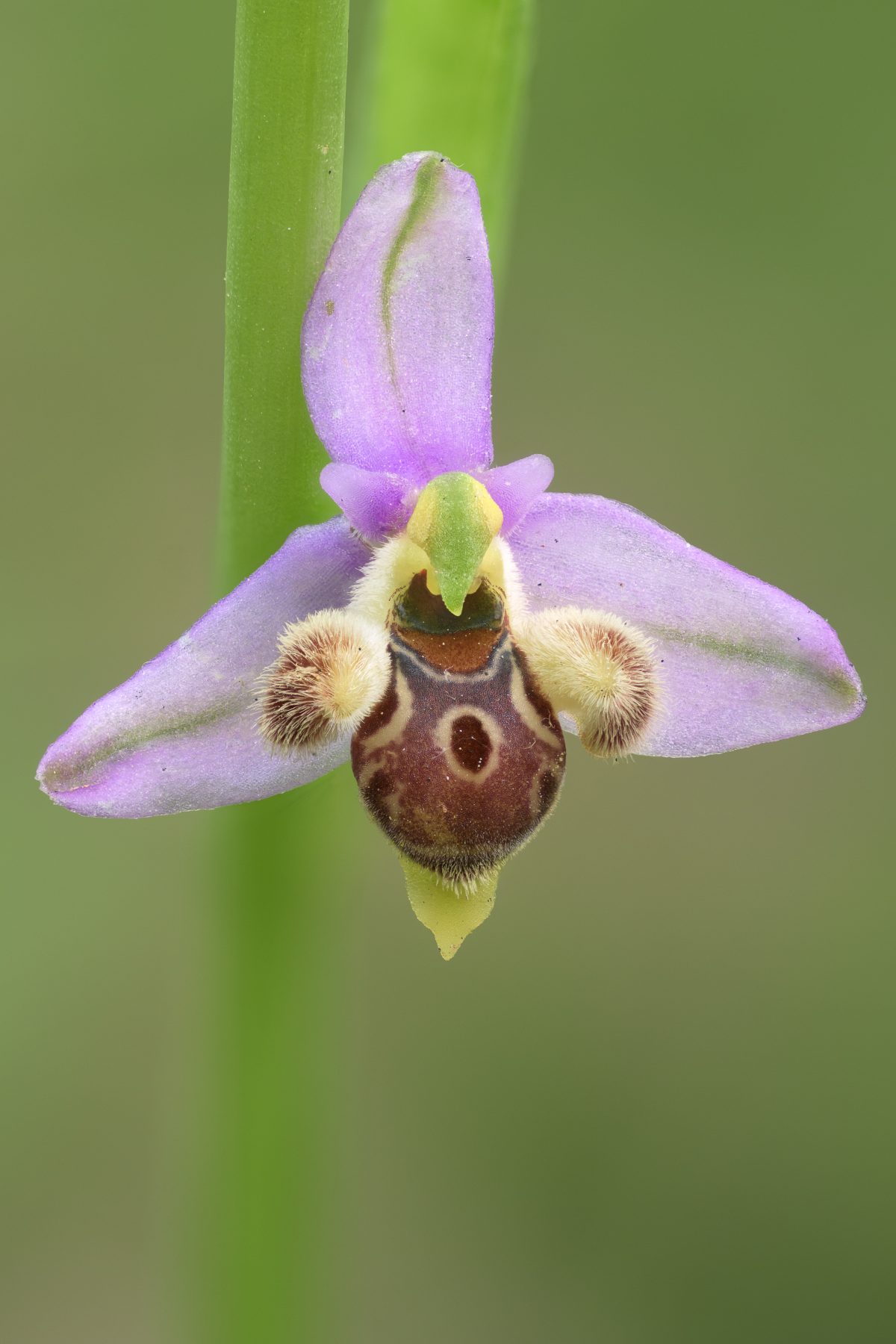
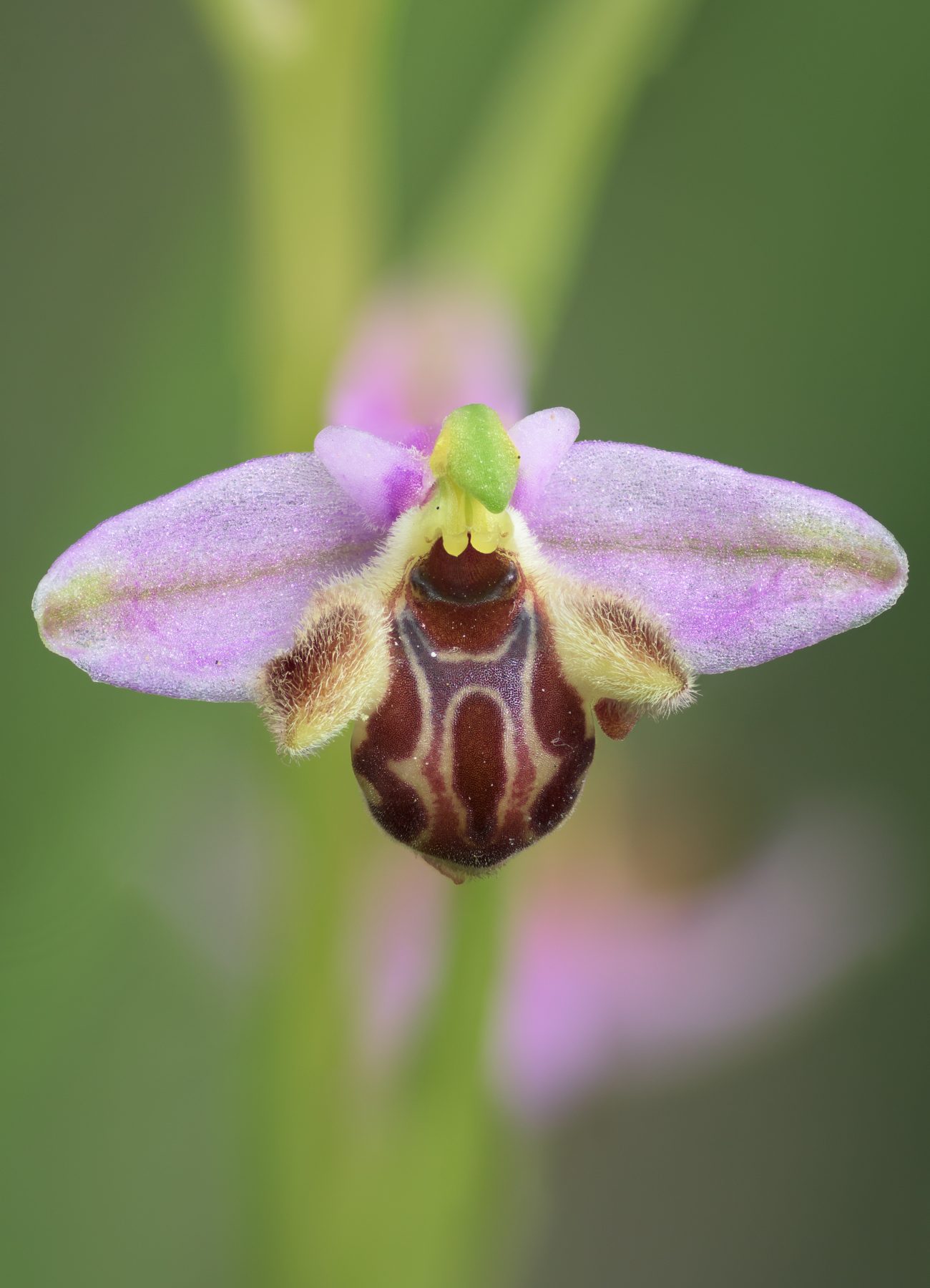
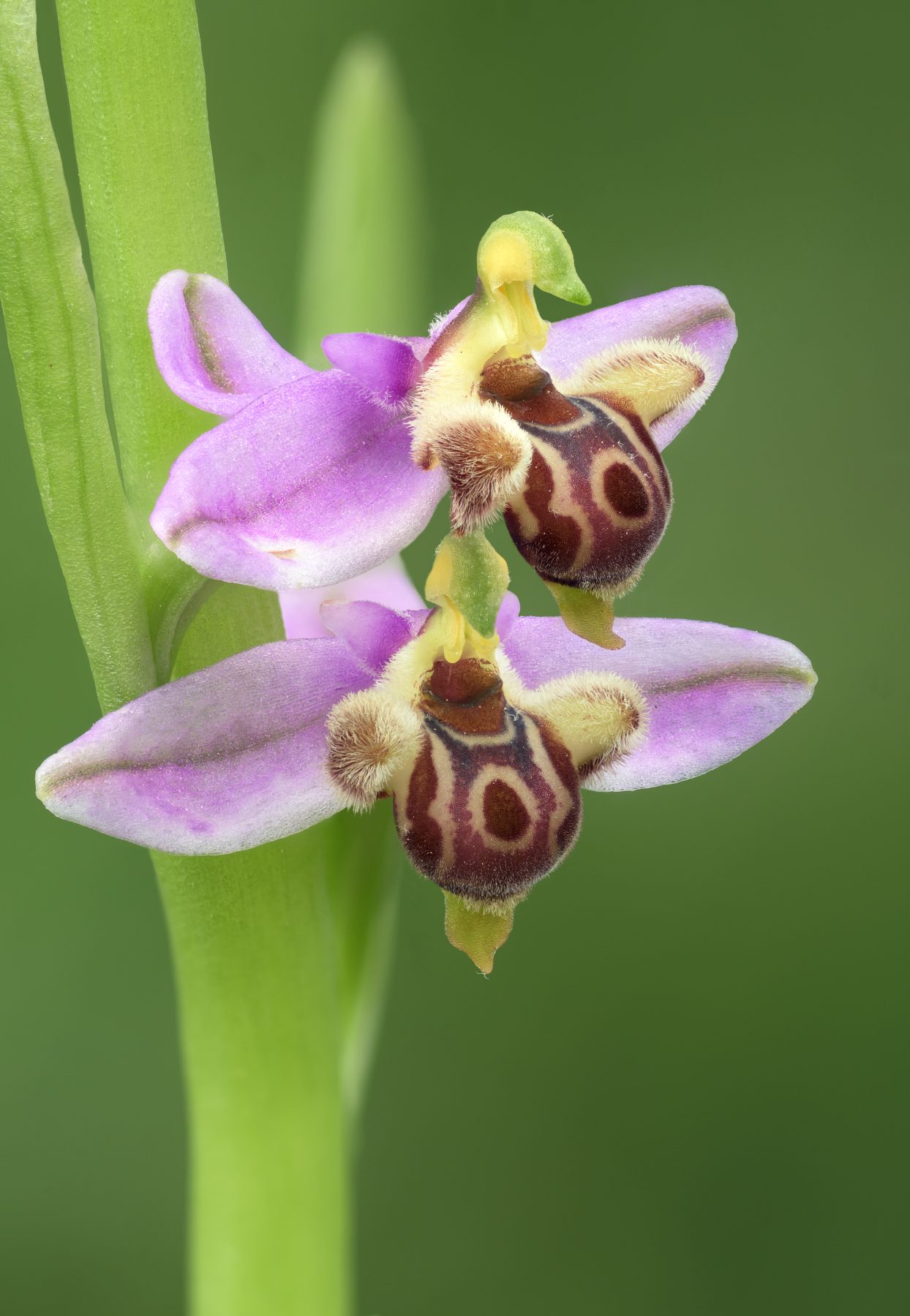
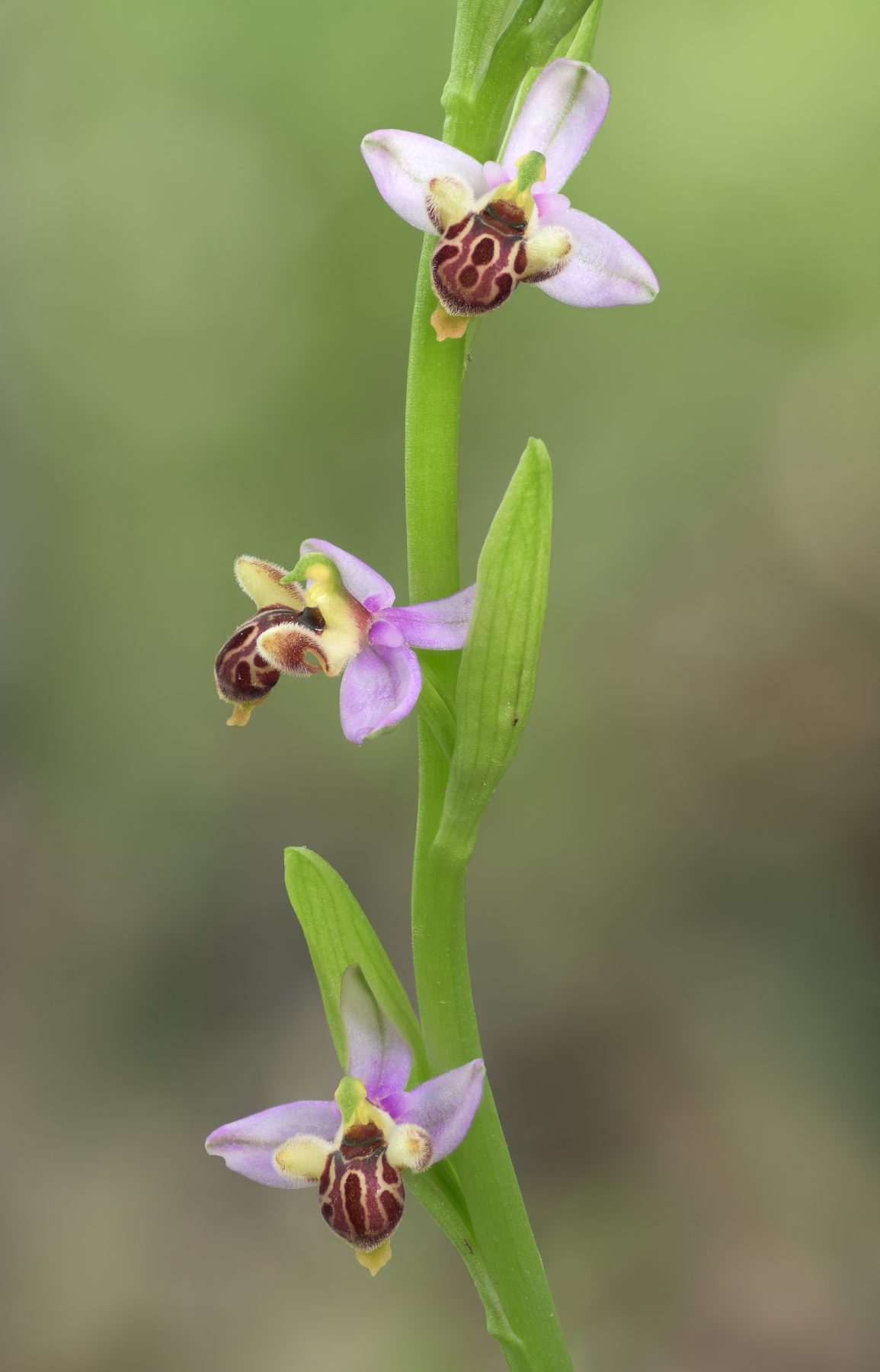
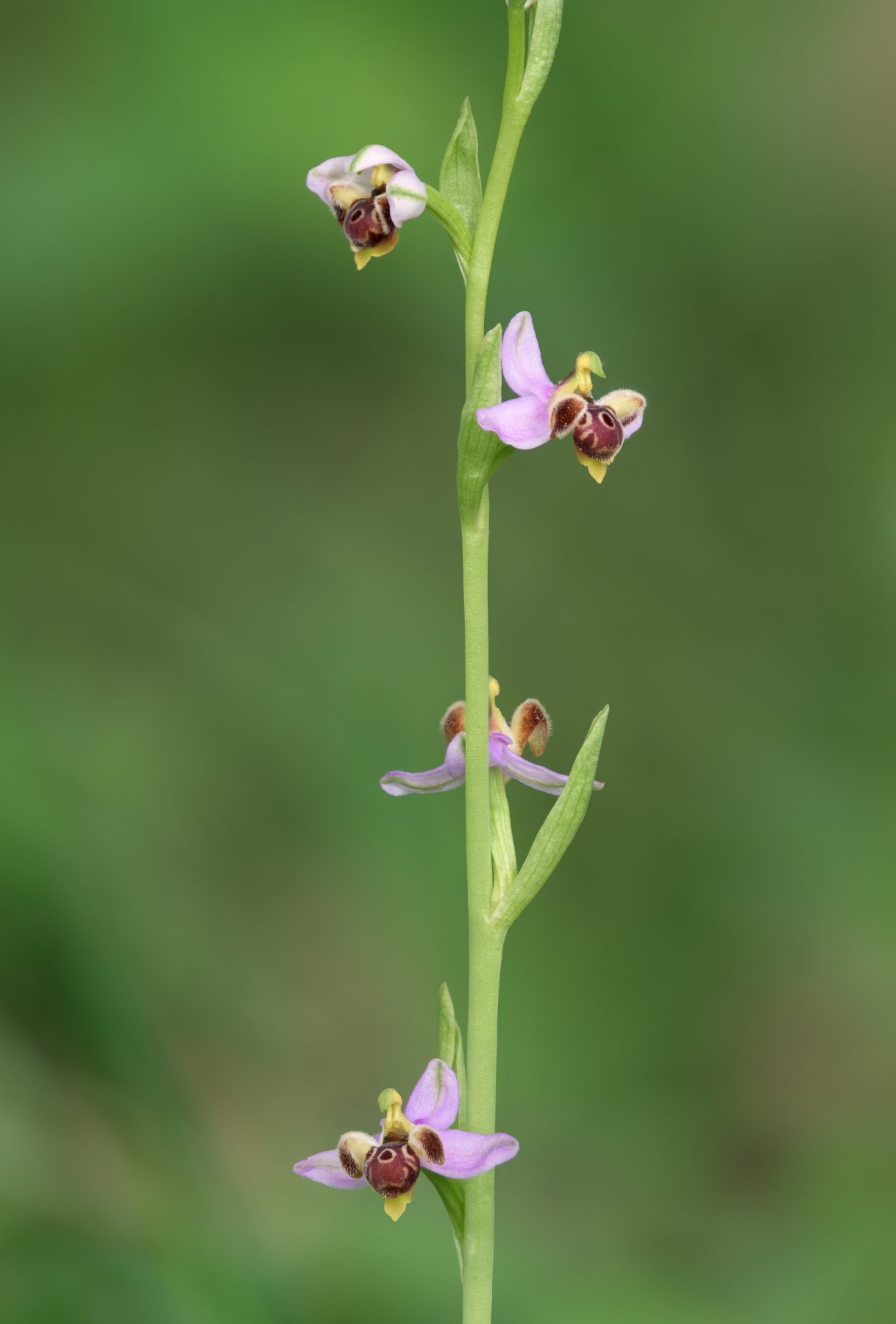
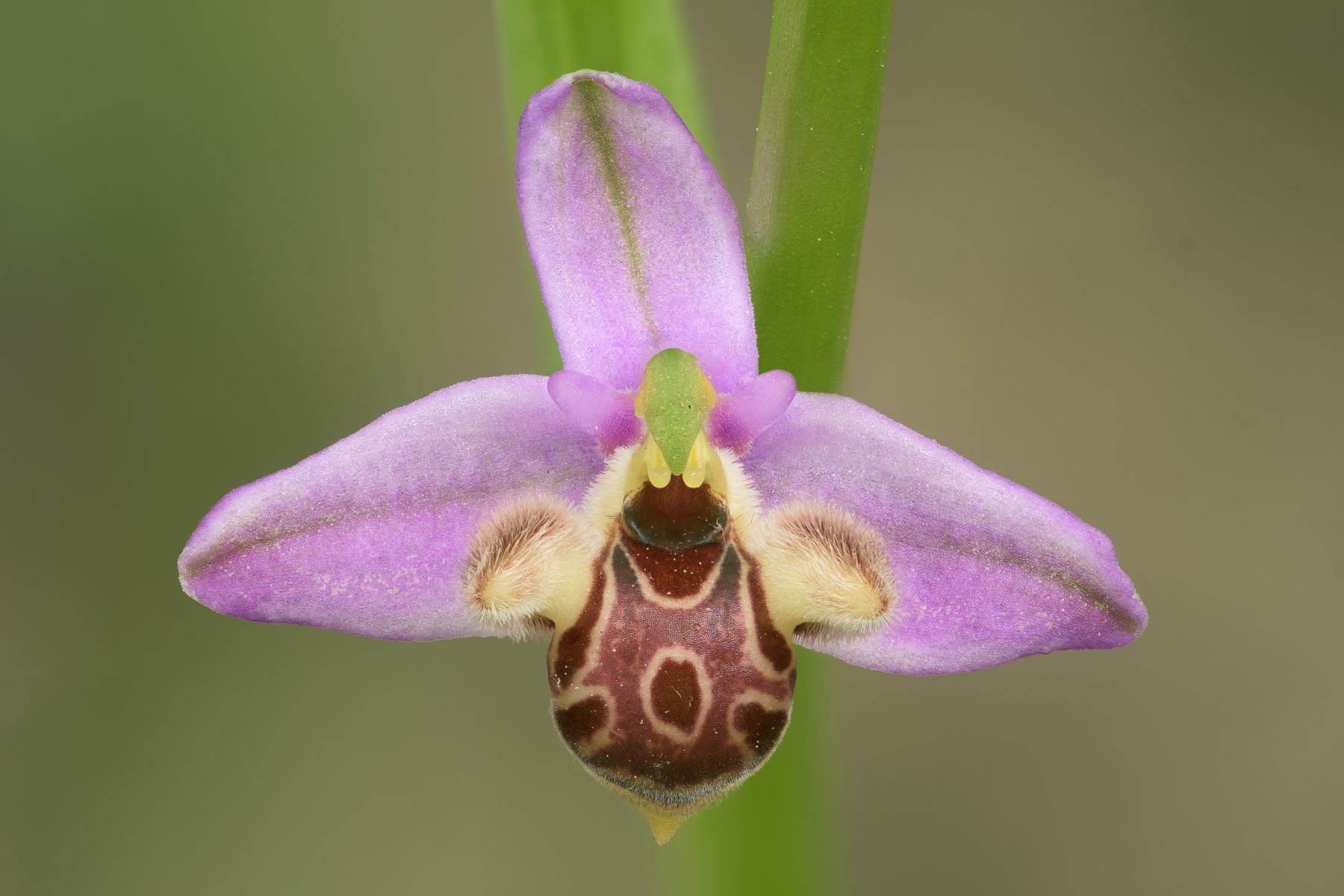
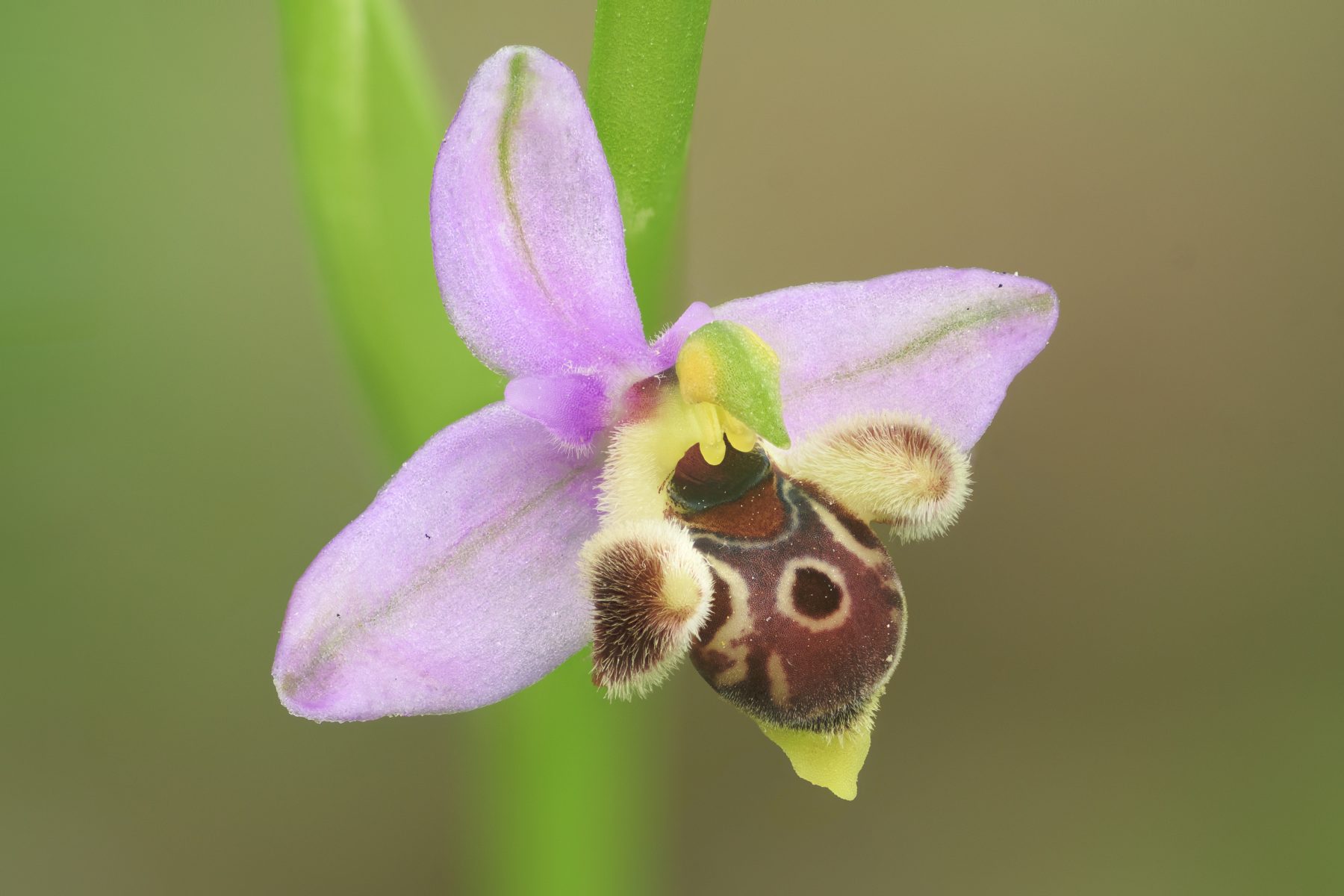
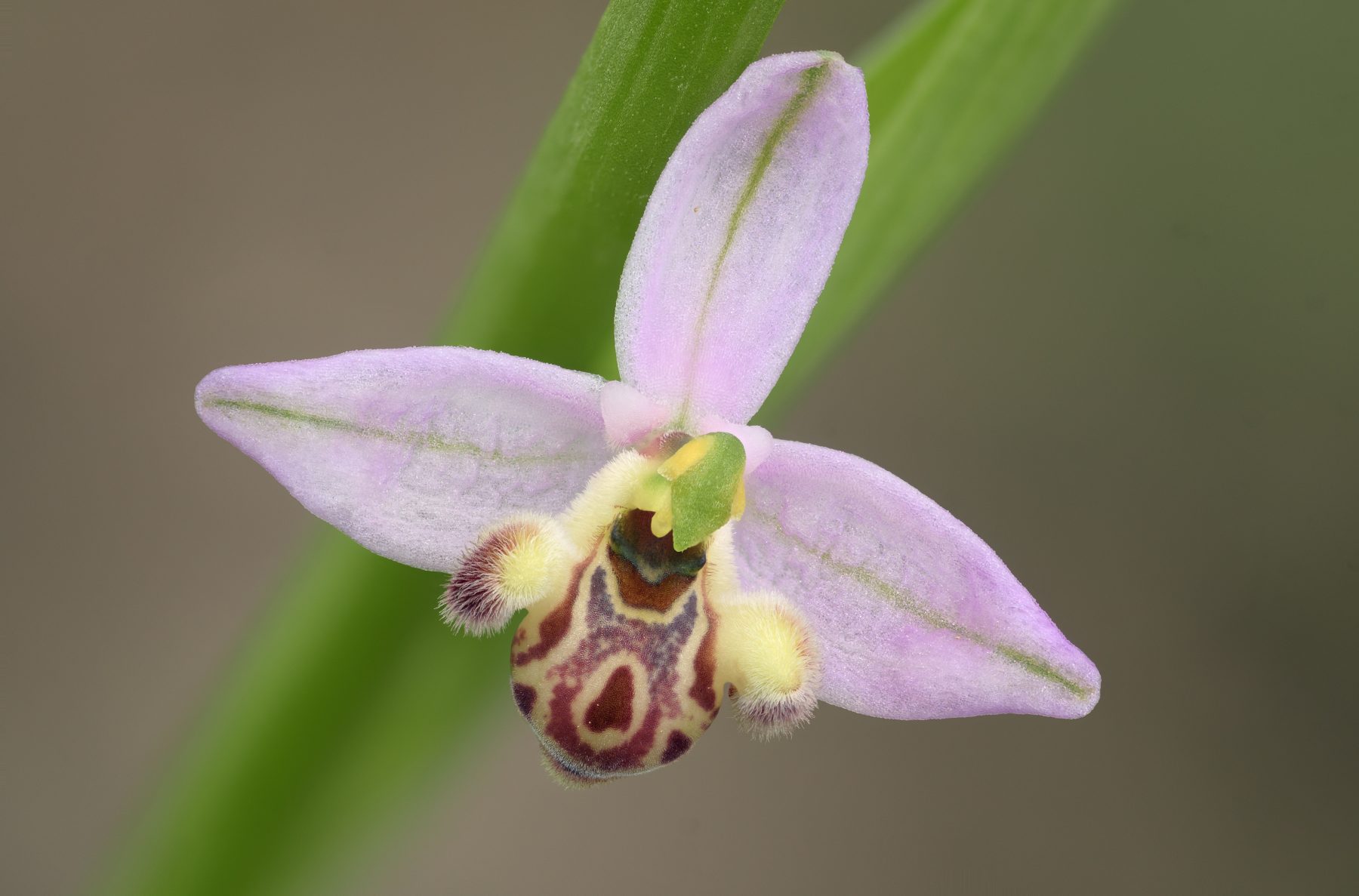
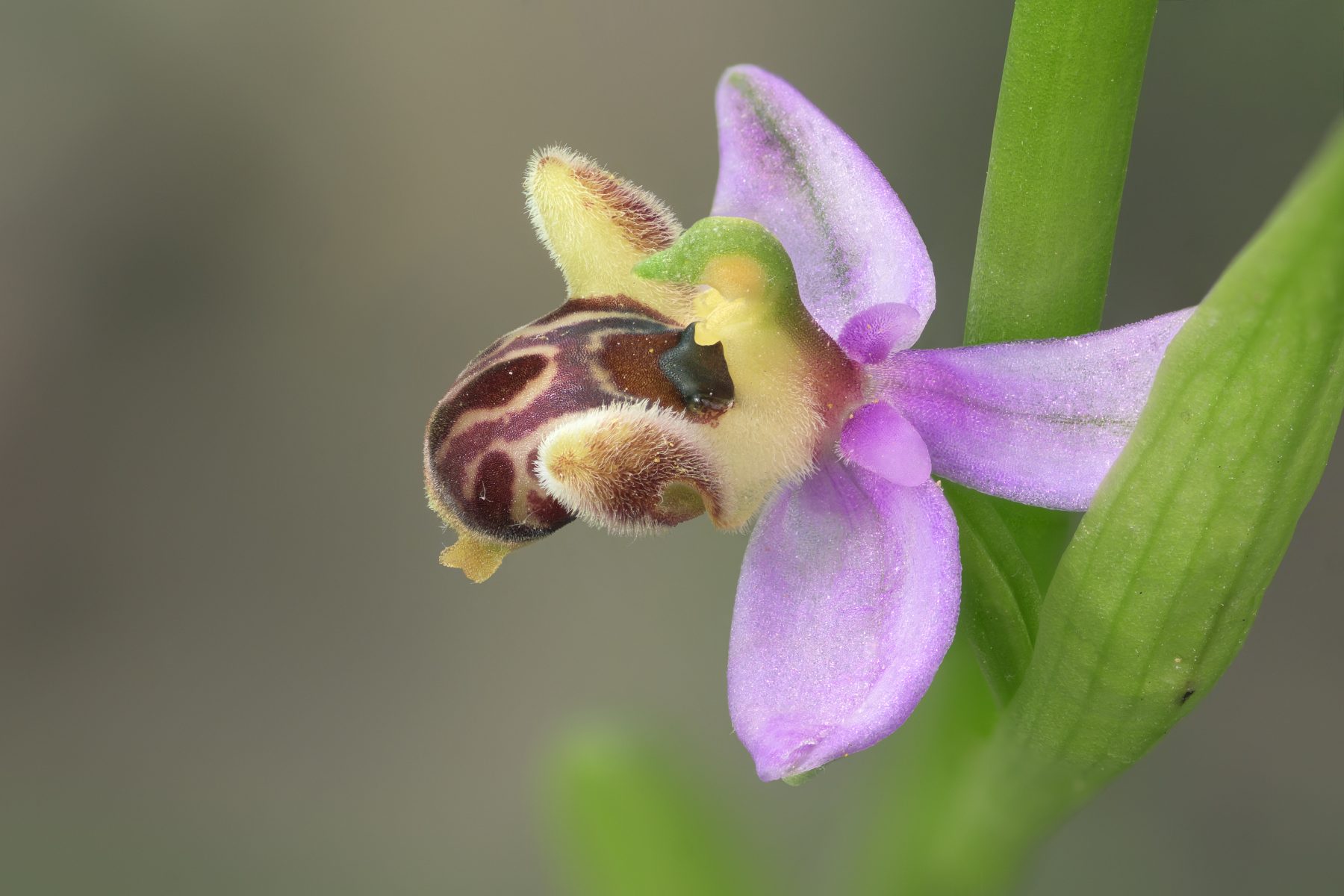
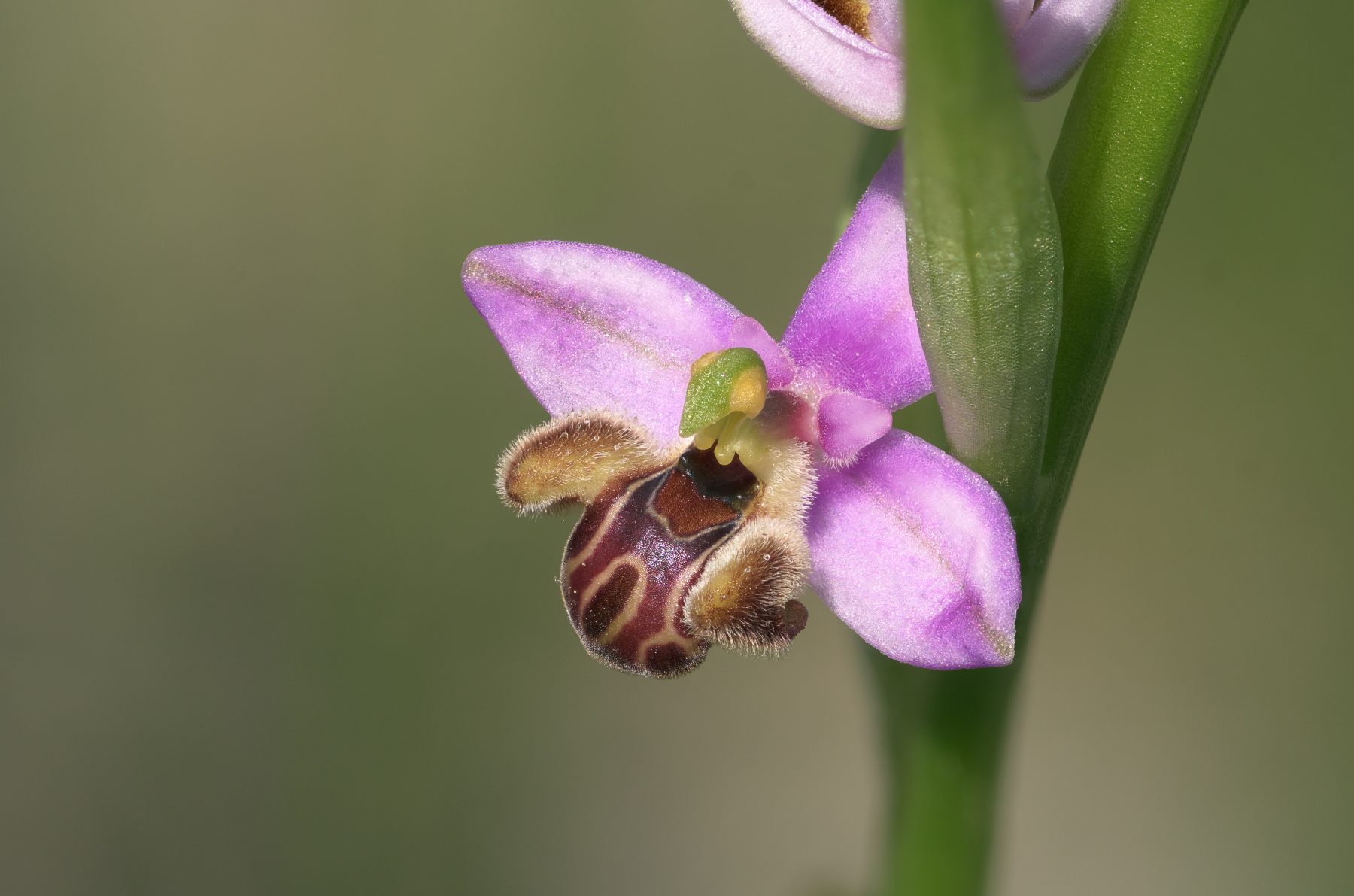
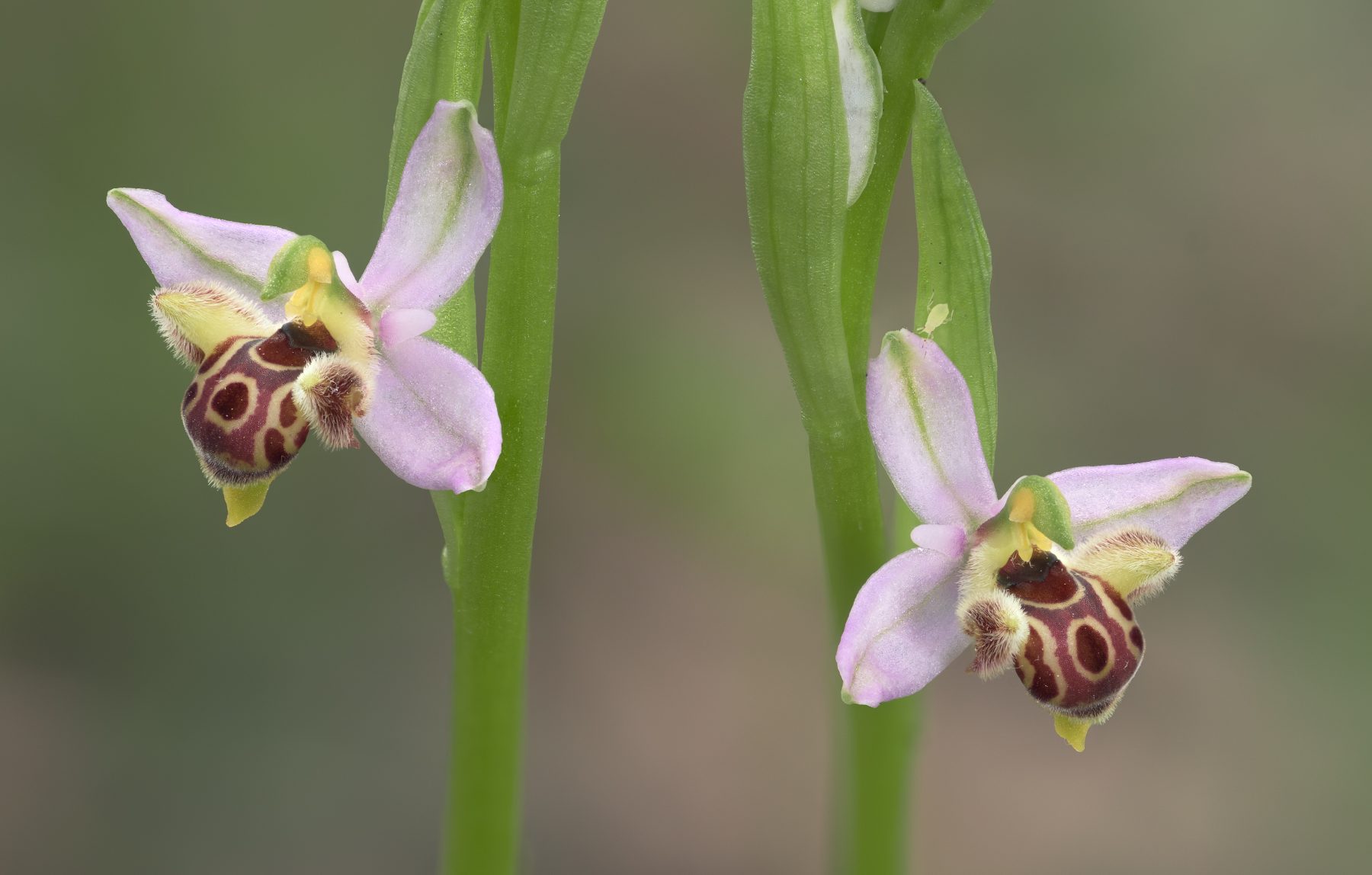
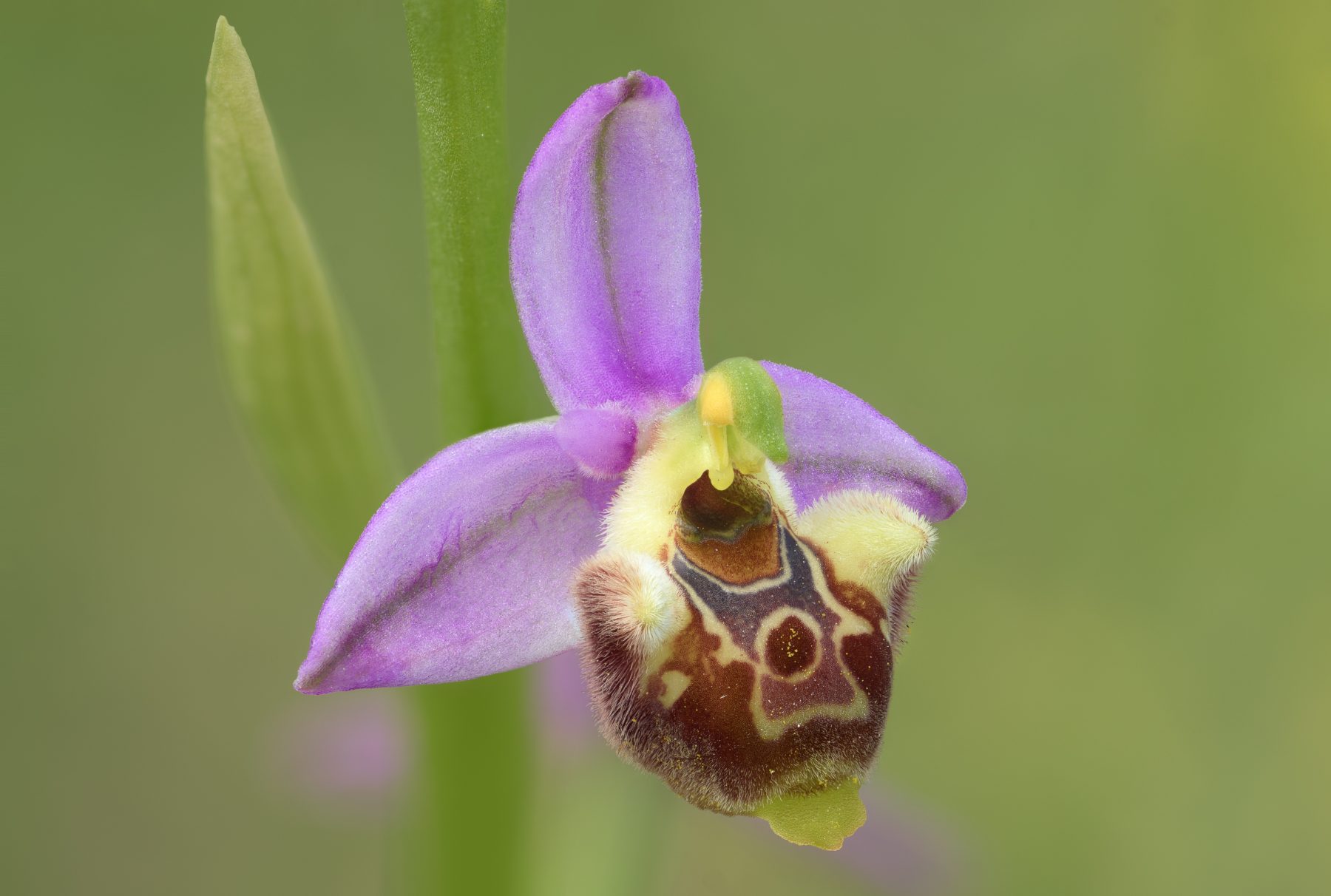
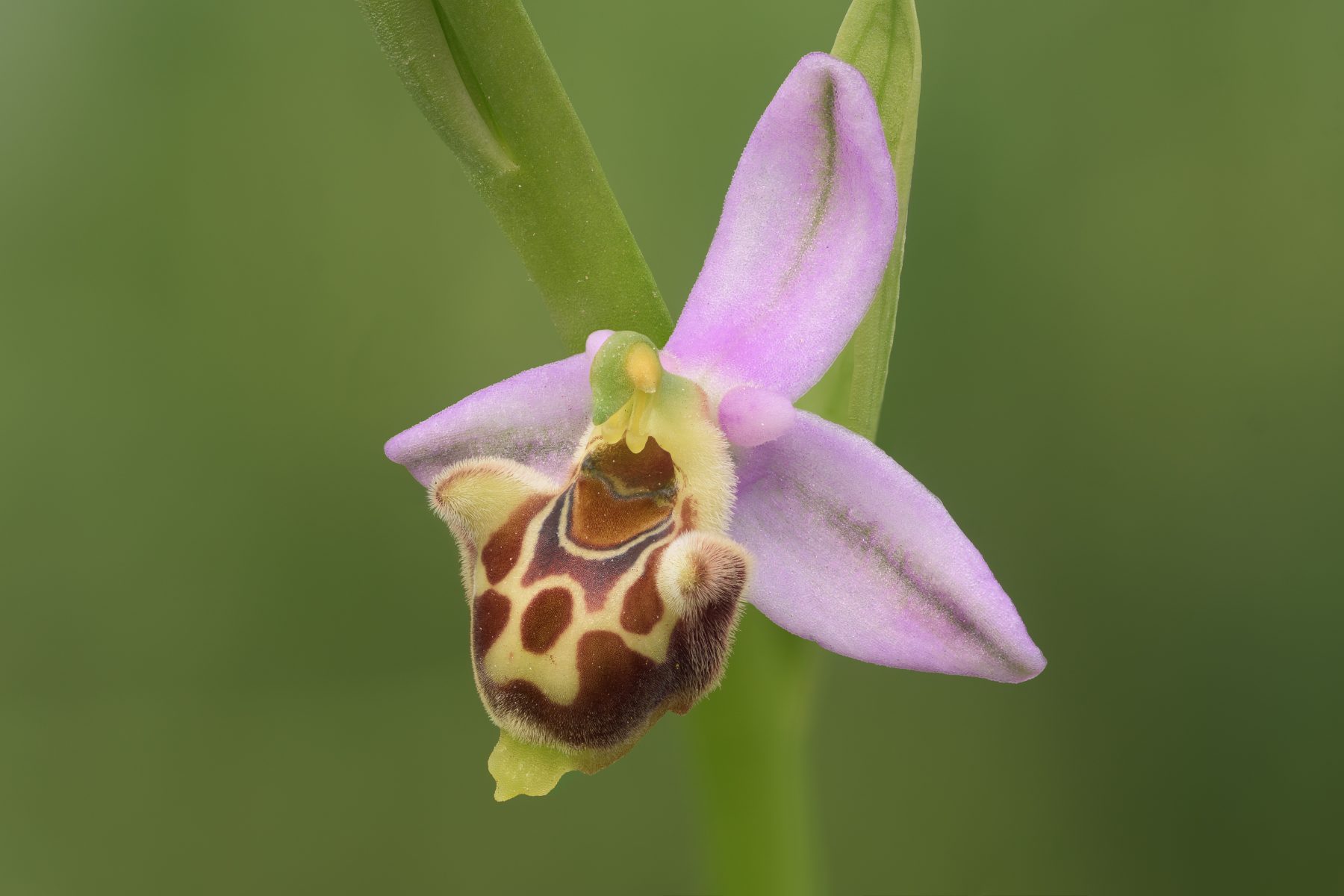

Orchid inventory near Lice, Diyarbakir, Turkey in May, 2026