| Etymology: | From the name of Argolid Peninsula in Greece where it was discovered |
| Distribution: | Greek endemism: Northern Greece, Sterea Hellas and Peloponnese |
| Flowering time: | mid-III. to early-V. |
| Taxnonomy: | O. argolica group |
| Similar species: | O. aegaea, O. lesbis, O. biscutella, O. delphinensis, O. crabronifera |
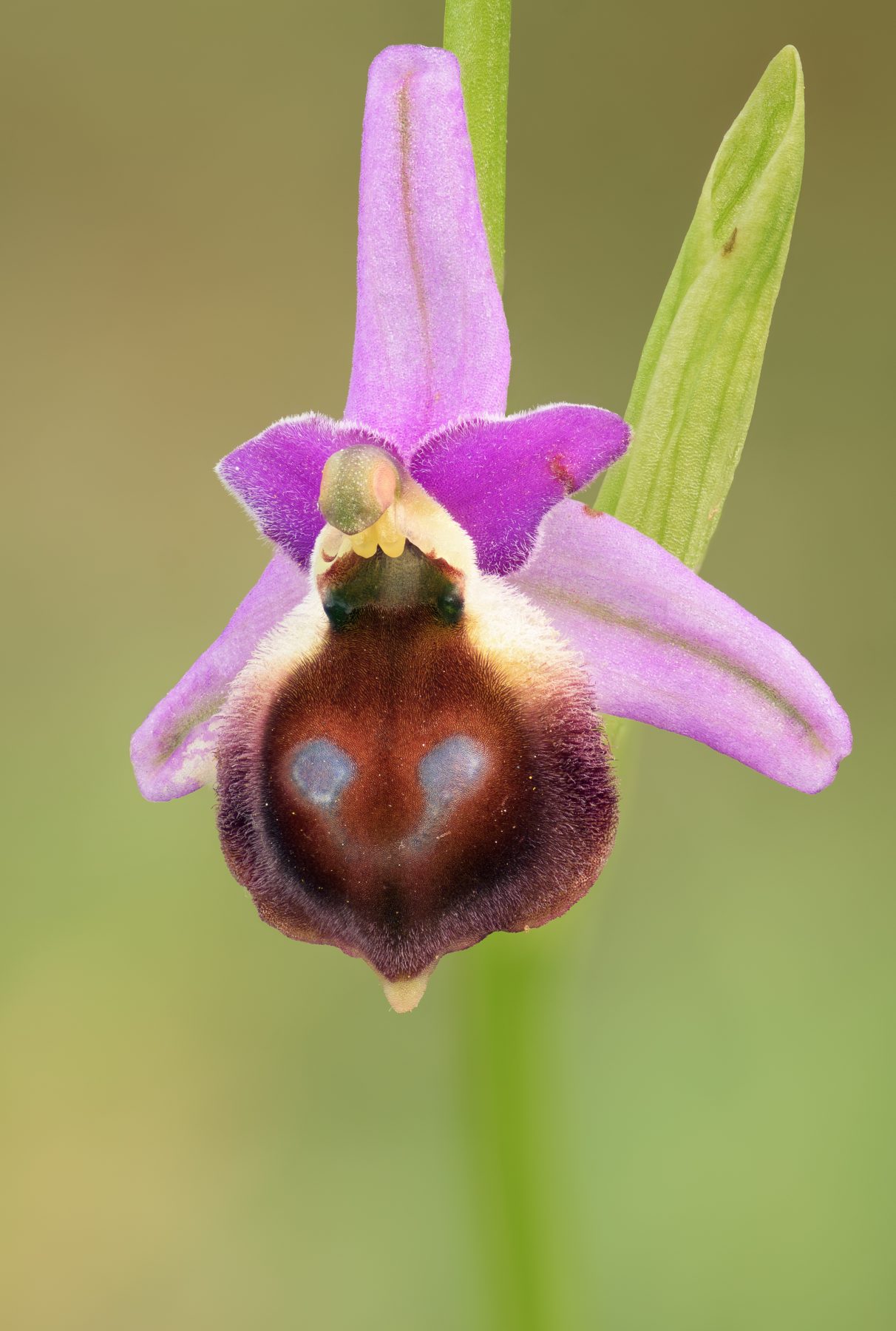
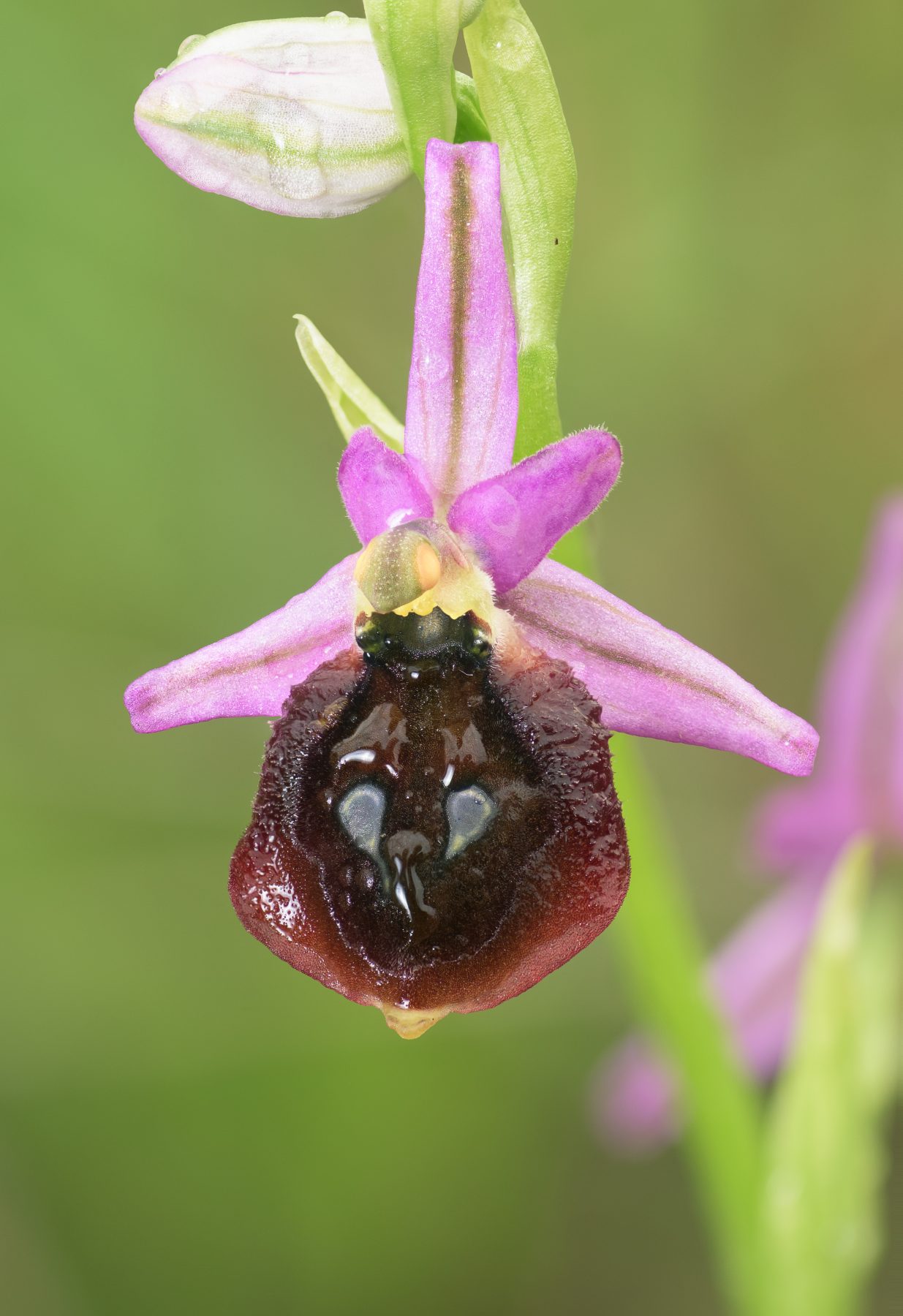
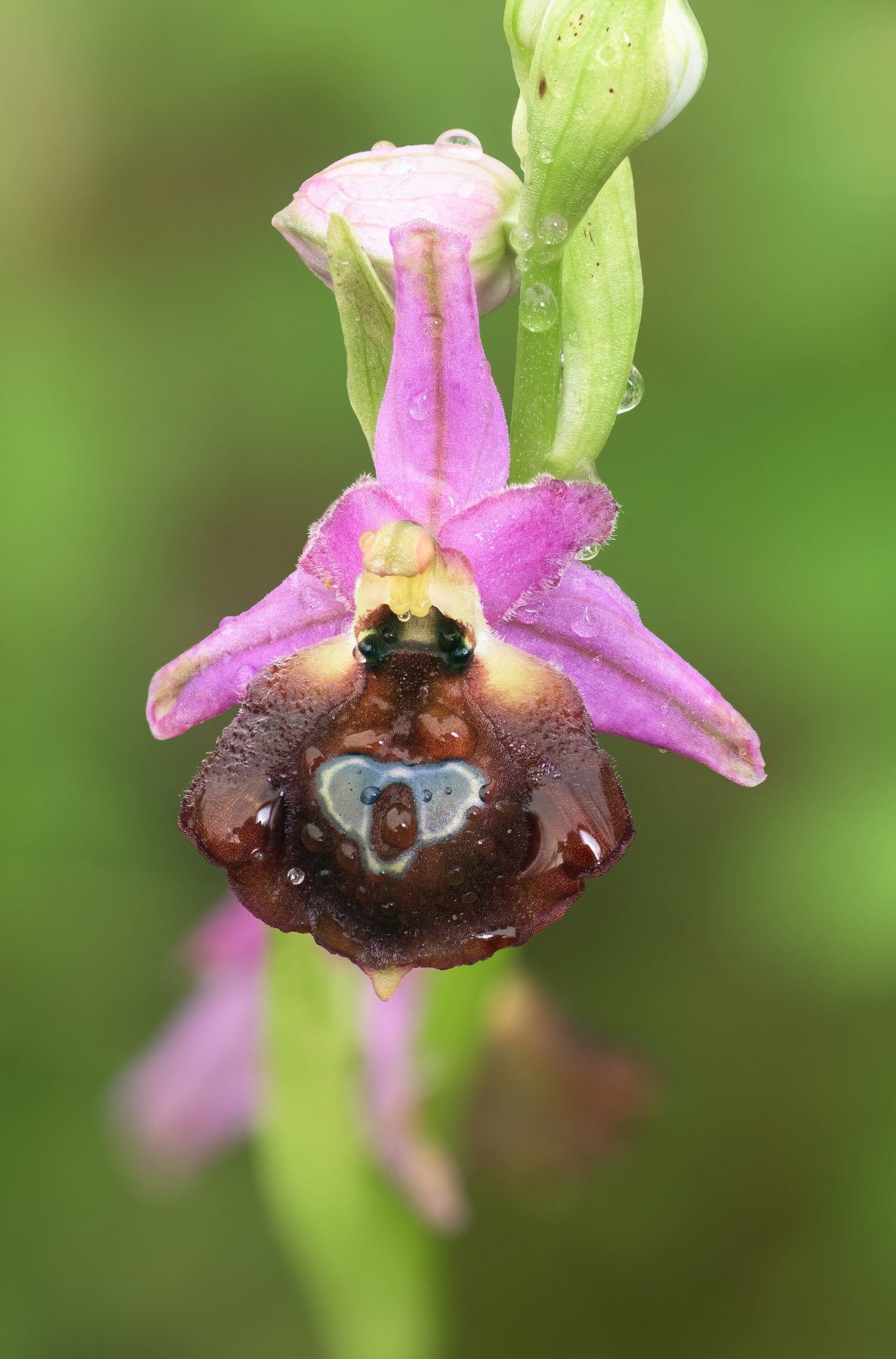
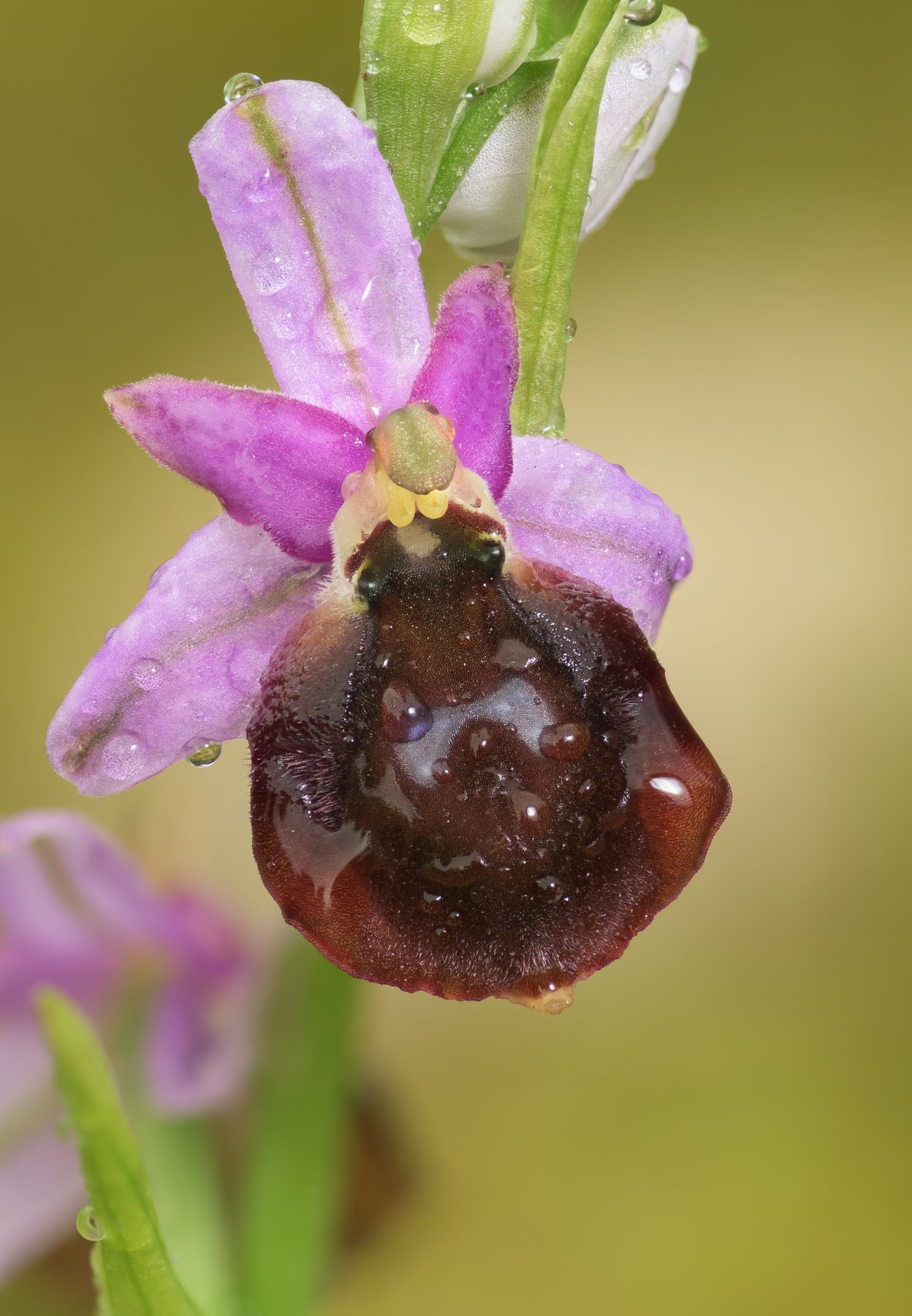
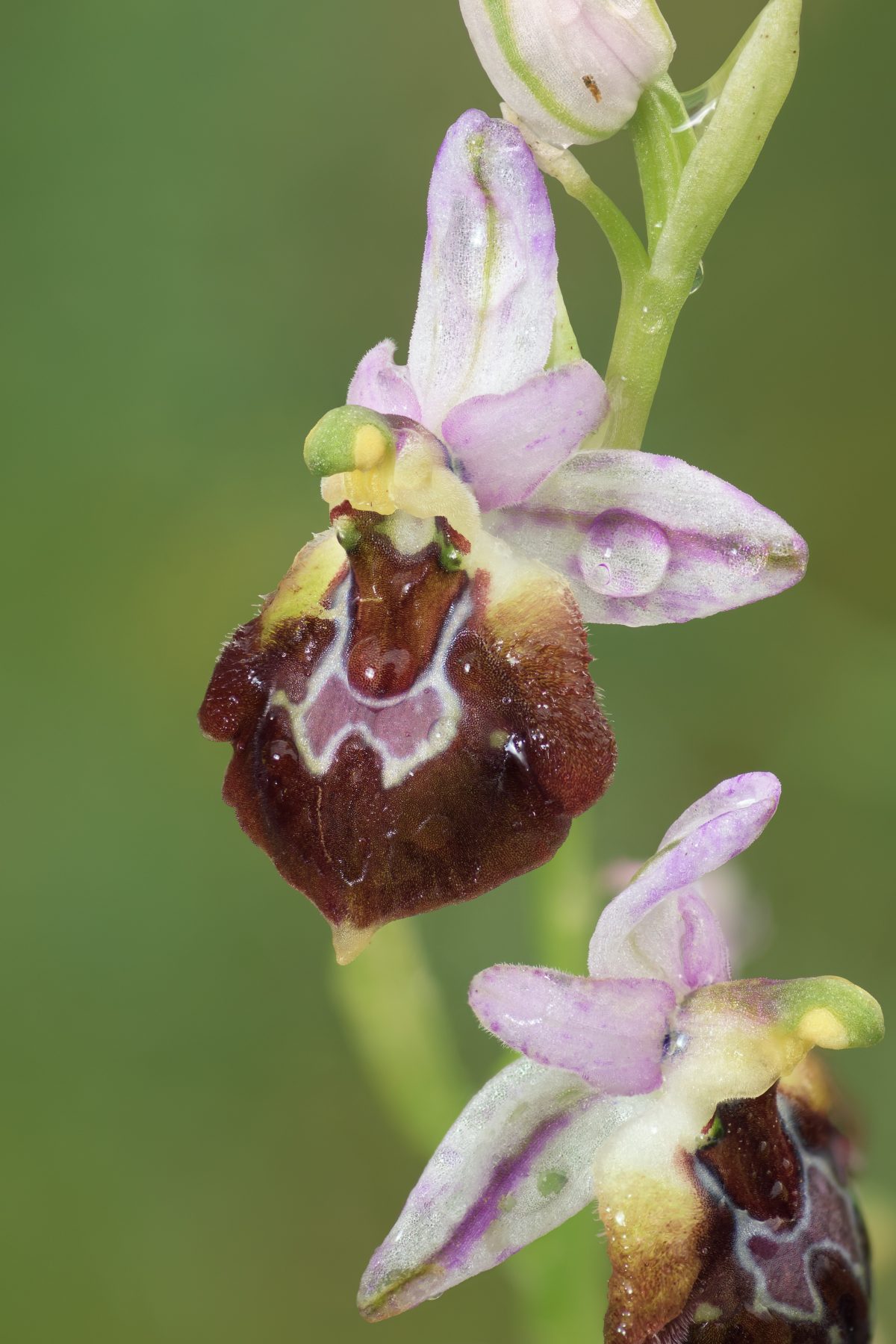
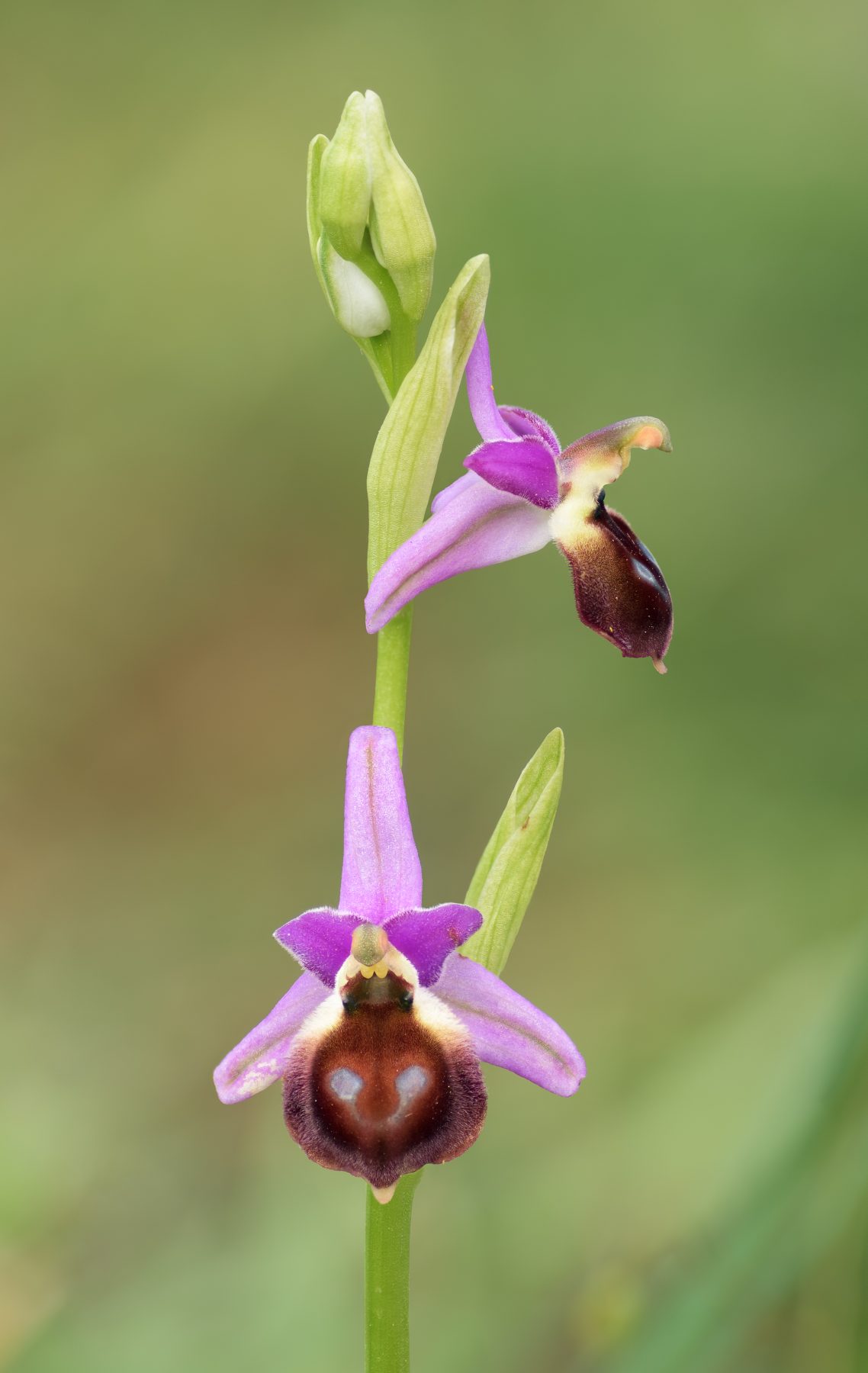
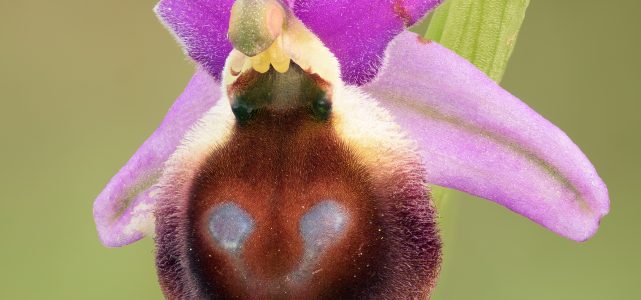
The namesake of an entire Ophrys group, Ophrys argolica is one of those species whose name appears frequently in the literature. Its representatives occur from Sardinia eastwards to Turkey and Cyprus (and even Syria), where they are generally regarded as local derivatives or isolated regional relatives of the nominal species. Quite a few of these “descendants” resemble it remarkably closely. The central Mediterranean Ophrys biscutella, for example, is virtually indistinguishable at first glance, differing mainly in its slightly larger, more skirt-like labellum. The Dodecanese endemic Ophrys aegaea is likewise a more robust plant, with a stigmatic cavity that is constricted at the base of the lip, whereas the stigmatic cavity of O. argolica is noticeably flattened. The eastern, narrowly distributed Ophrys lesbis, on the other hand, usually bears a characteristic bright yellow, horseshoe-shaped marking on its labellum.
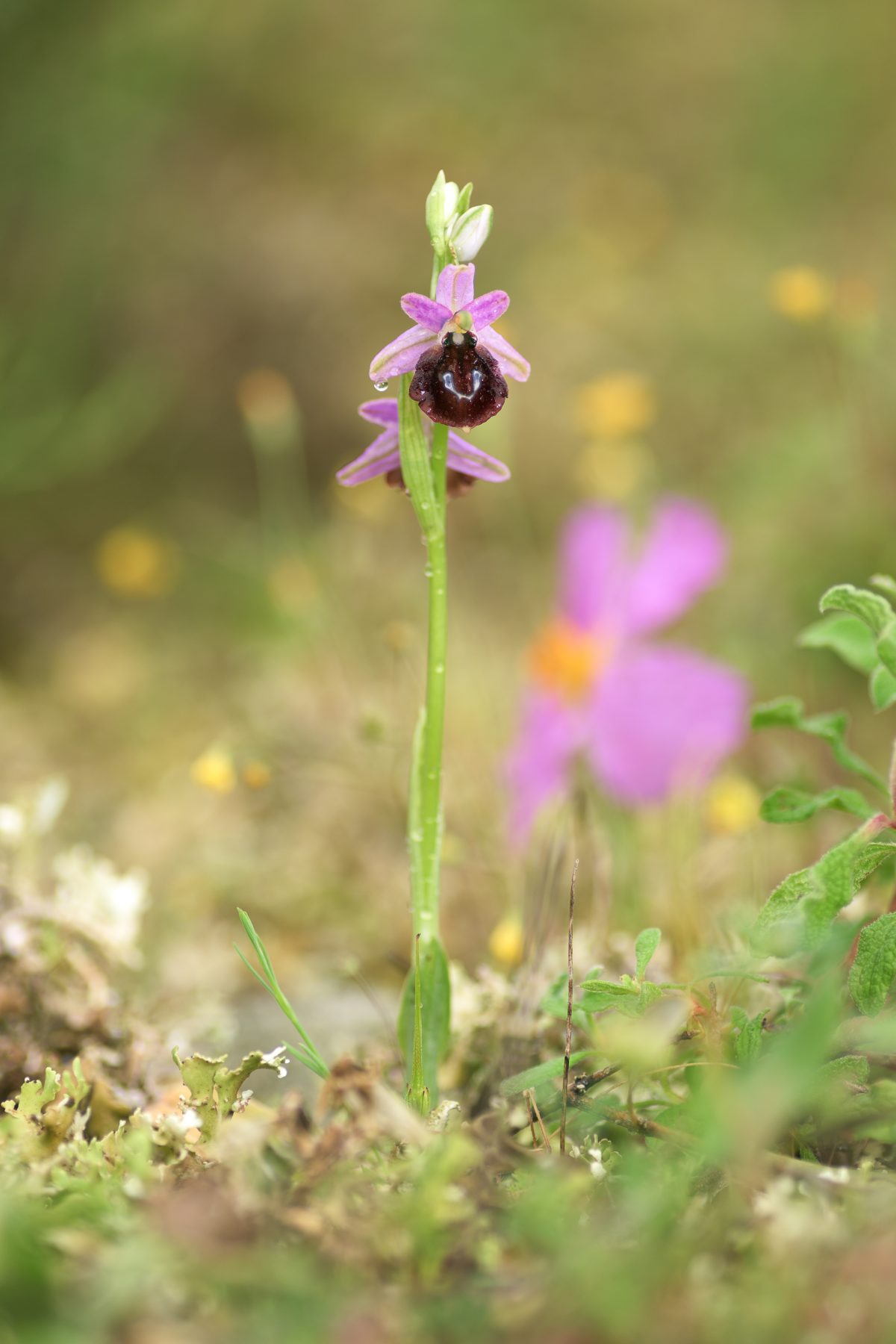
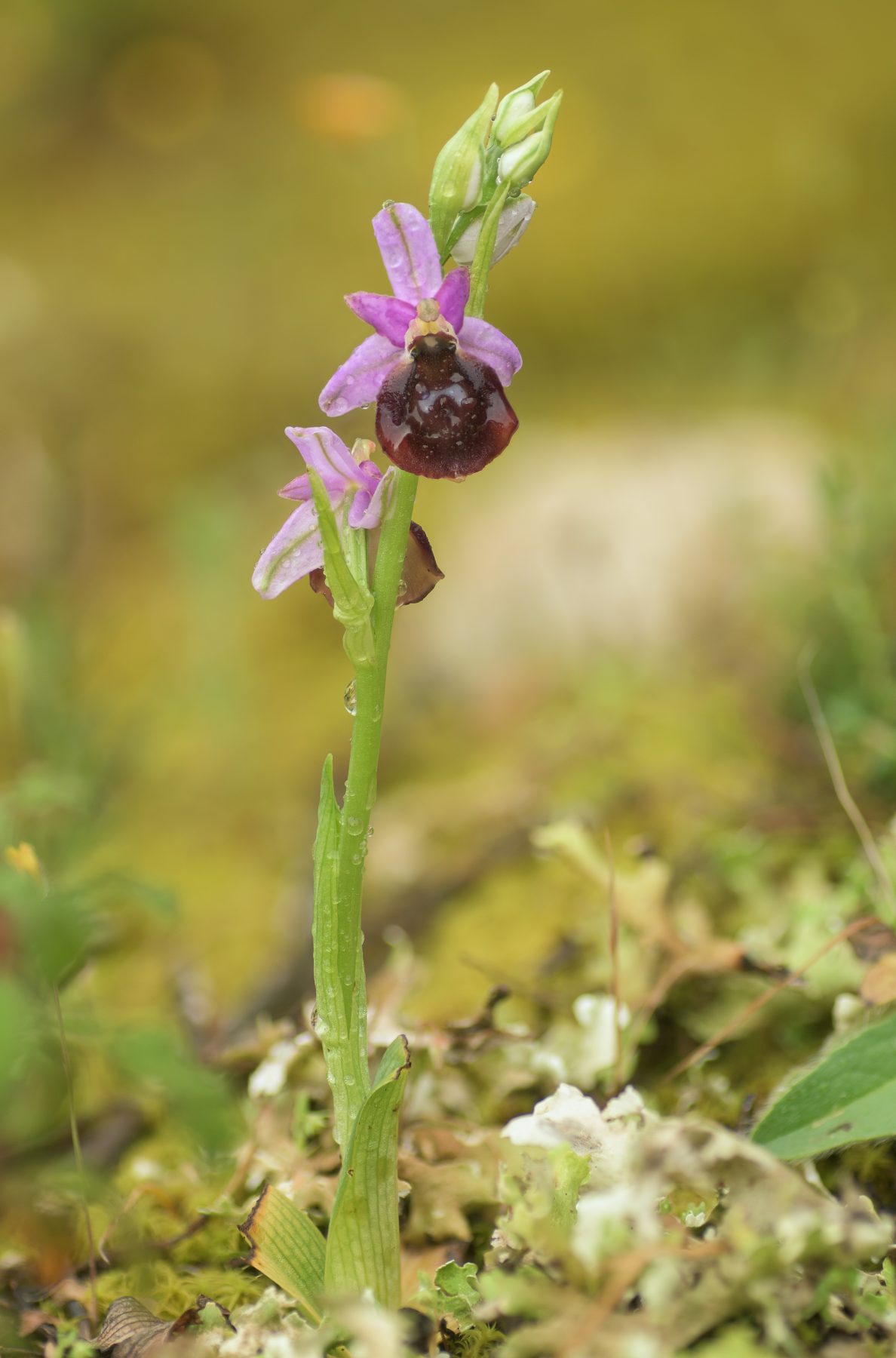
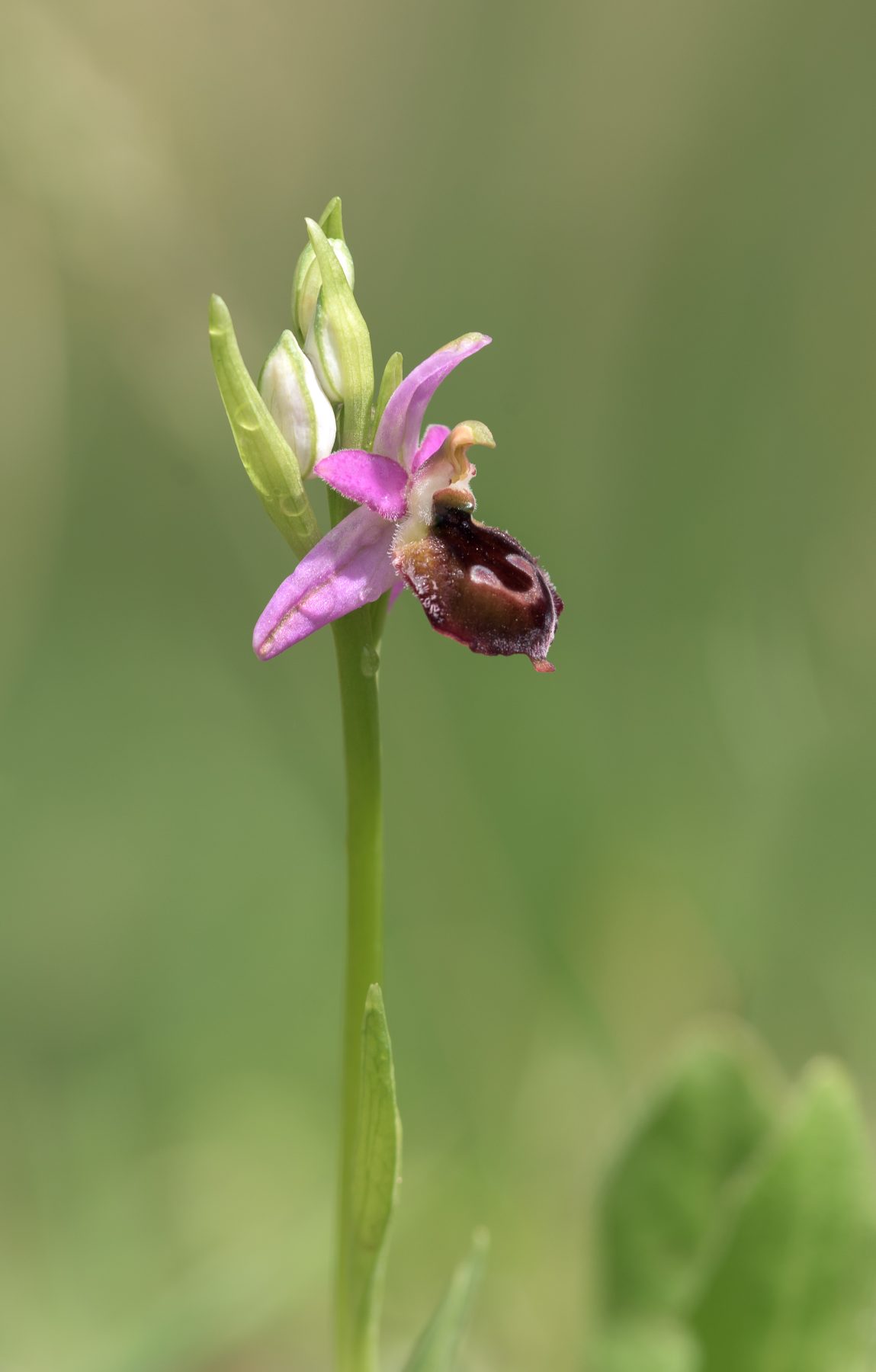
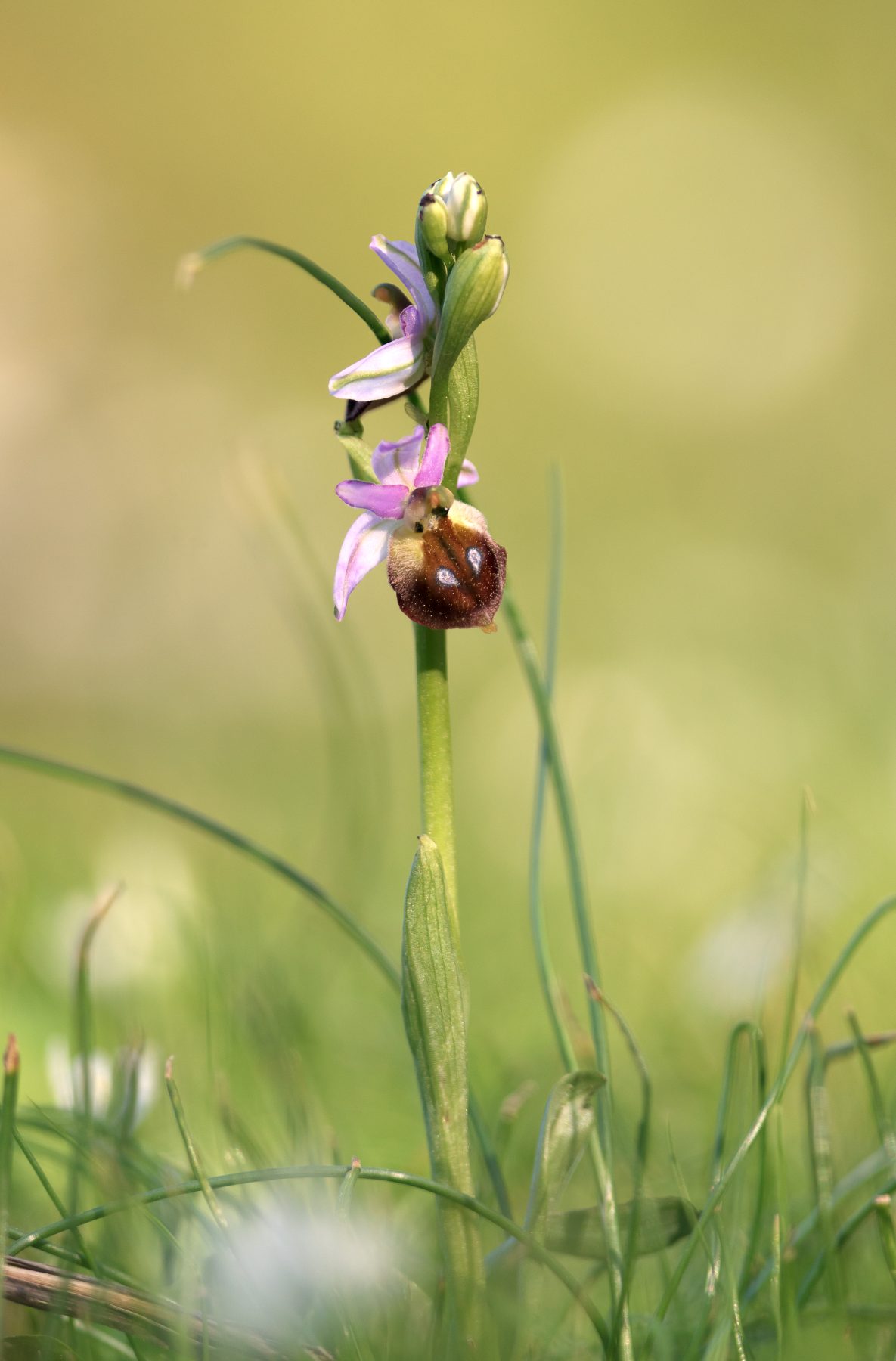
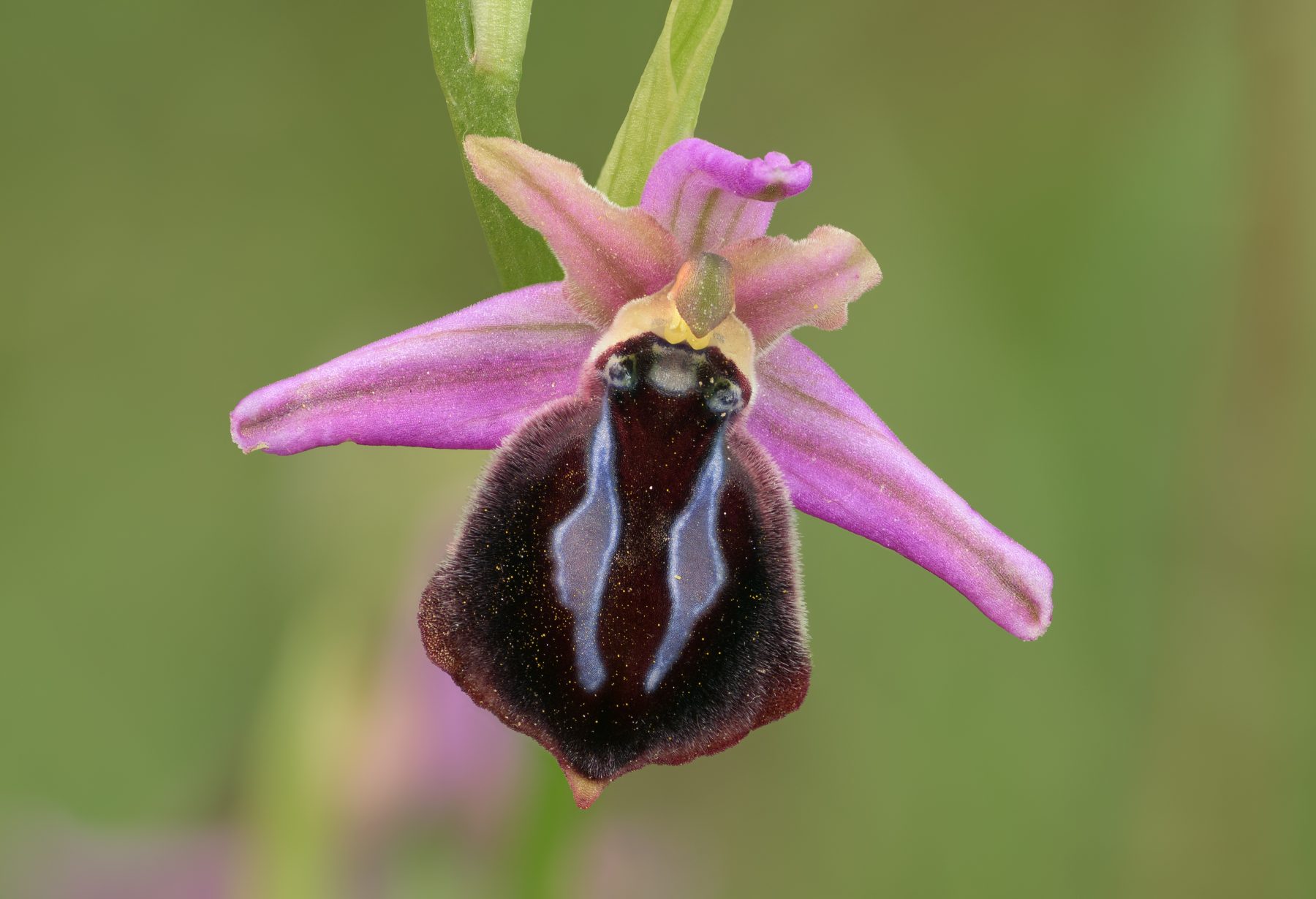
O. argolica itself is confined to central Greece and the Peloponnese. Its labellum is characteristically rounded, broad, and almost entire, with shoulders that are sometimes clothed in whitish hairs, a minimalist macula—often horseshoe-shaped, occasionally resembling a pair of droplets—and large, wedgy petals. The basal field is usually absent. To me, the flower has always resembled a large, colourful coin. And despite the list of diagnostic features above, this is by no means a rigidly uniform species. It can be surprisingly variable, something that the gallery below perhaps illustrates to some extent—just look at the first photograph in the third row, with its conspicuous basal field!
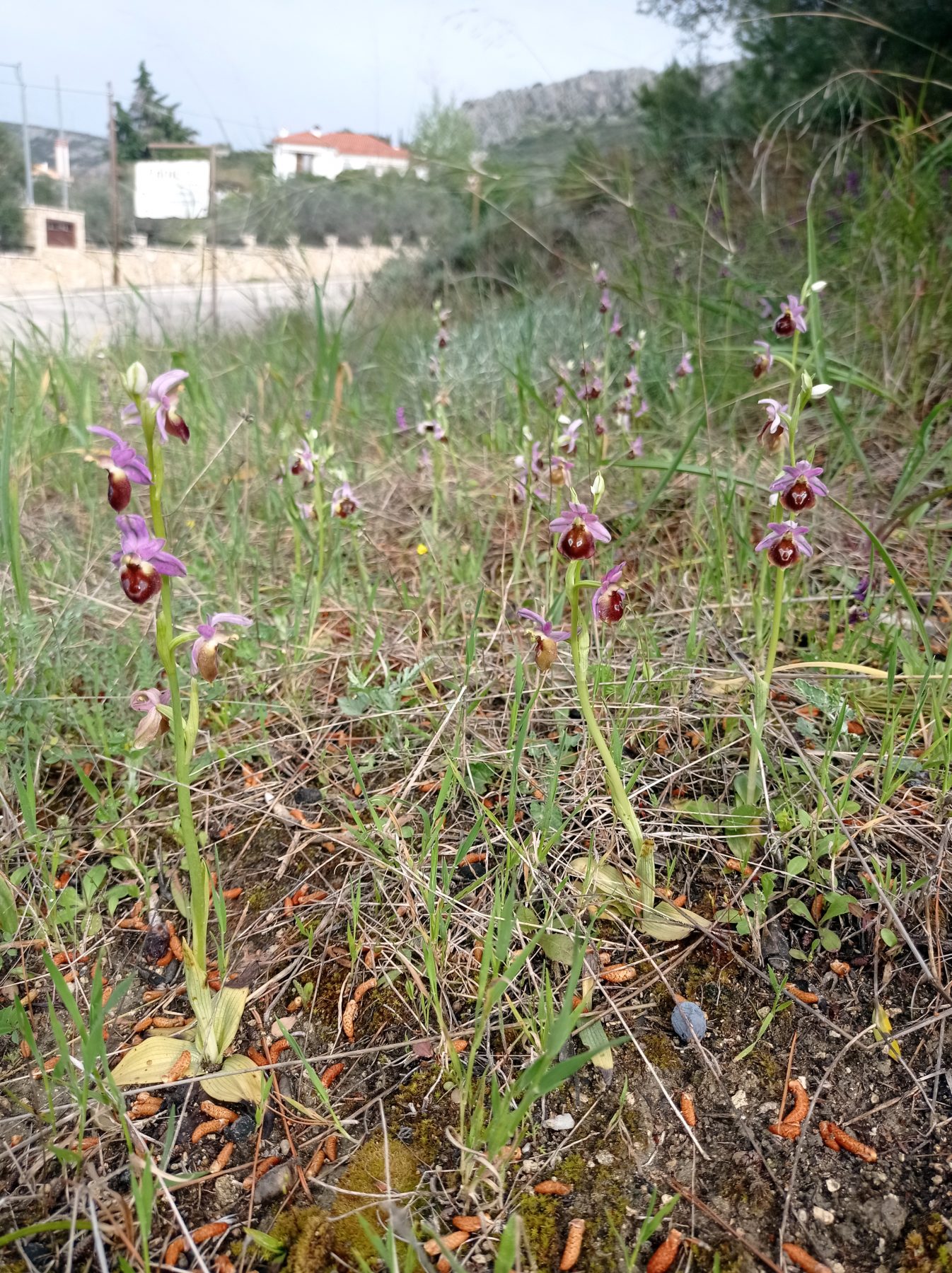
Within its range, O. argolica is by no means difficult to find. In the Argolis region of the Peloponnese (from which it takes its name), we encountered it almost at random along roadsides, as well as in meadows immediately adjacent to inhabited areas. In suitable habitat patches it can be nearly abundant, flowering from mid-March until roughly the end of April. Thanks to its abundance, it readily hybridises with the species growing alongside it—see the hybrid with Ophrys spruneri at the bottom of the gallery. In one secluded corner of the Peloponnese, however, it managed to embark on such an extraordinary hybridisation spree with Ophrys speculum that the results deserve a gallery of their own!