| Etymology: | Paludosa means swampy (marshy) which refers to the preferential habitat of the species |
| Distribution: | Northern (boreal, atlantic and continental part of) Europe, Northern Russia (Siberia), Canada, USA (Alaska and Minnesota) |
| Distribution in Hungary: | The northeastern part of the Great Plain |
| Flowering time: | mid-VII.-late VIII. (early IX.) |
| Flowering time in Hungary: | mid-VII.-late VIII. |
| Reproduction: | Allogamy and vegetatively by propagules |
| Similar species: | Malaxis monophyllos |
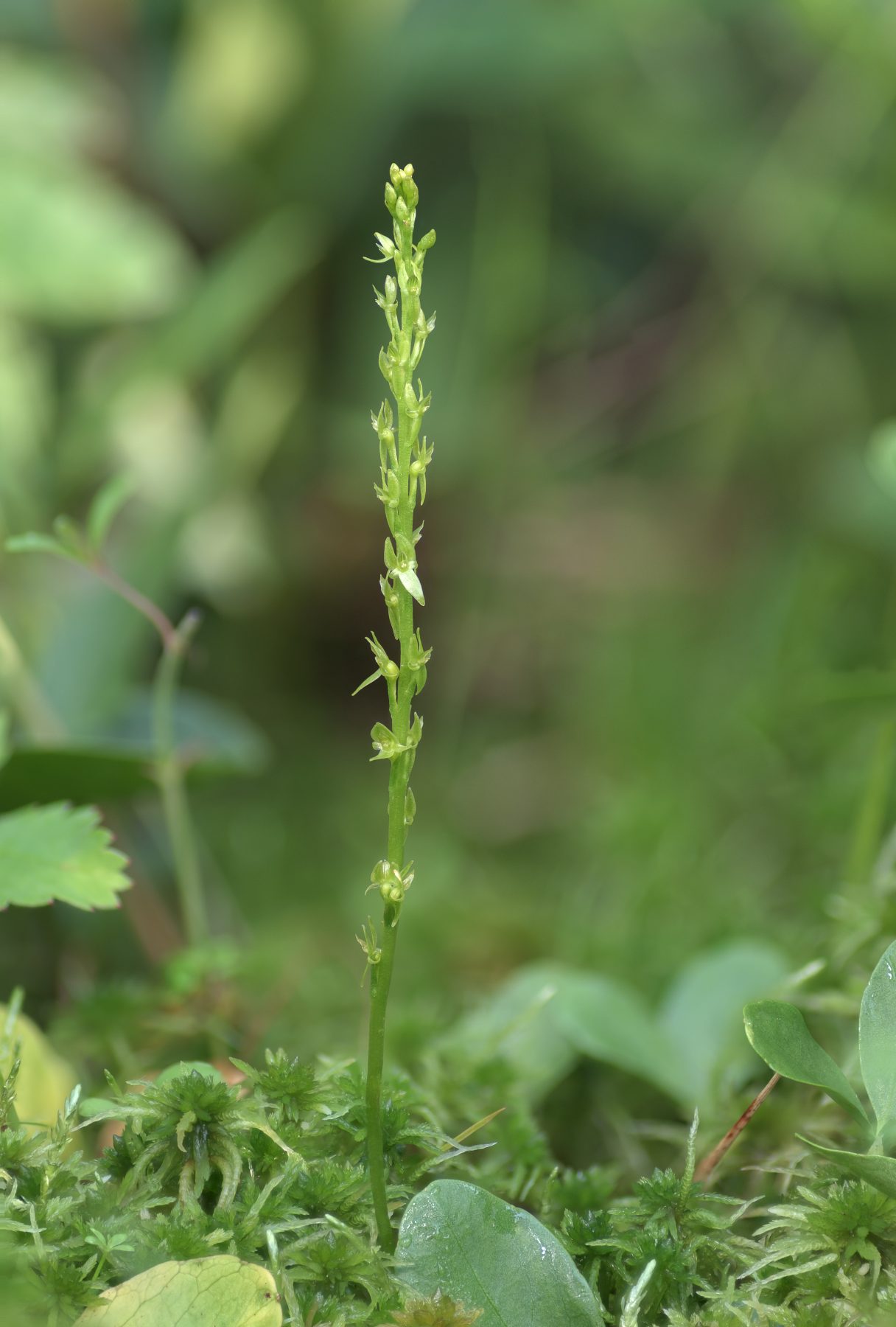
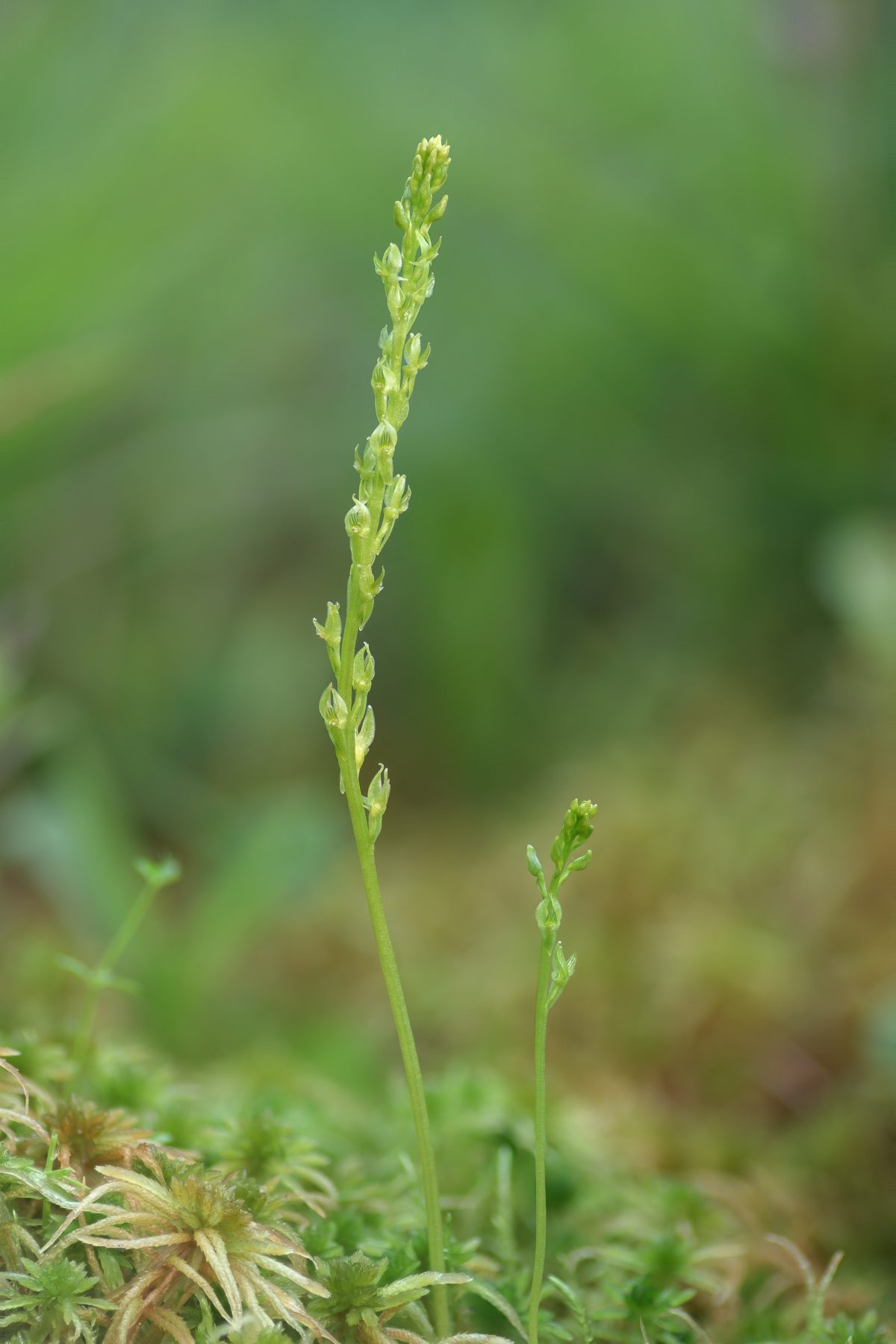
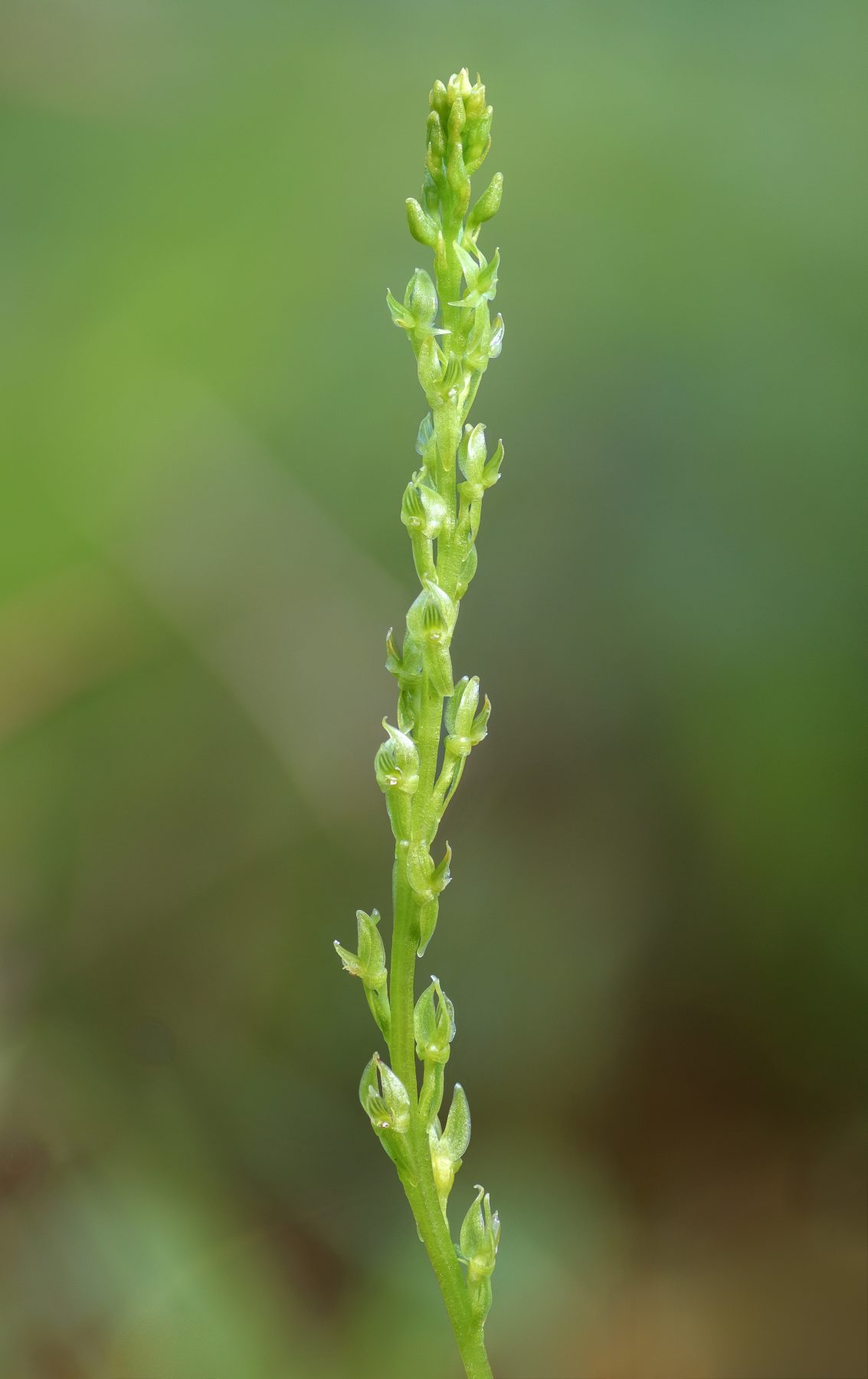
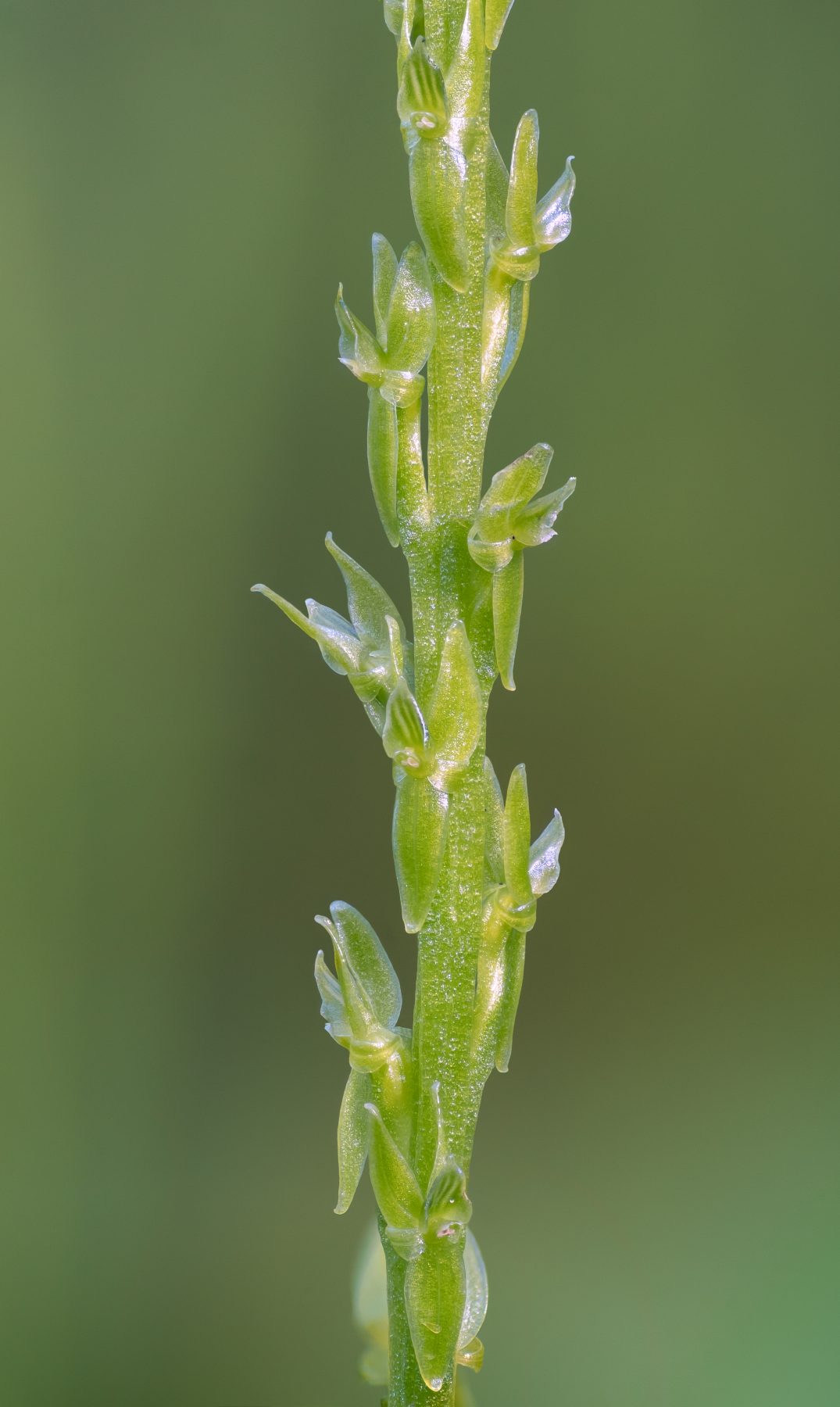
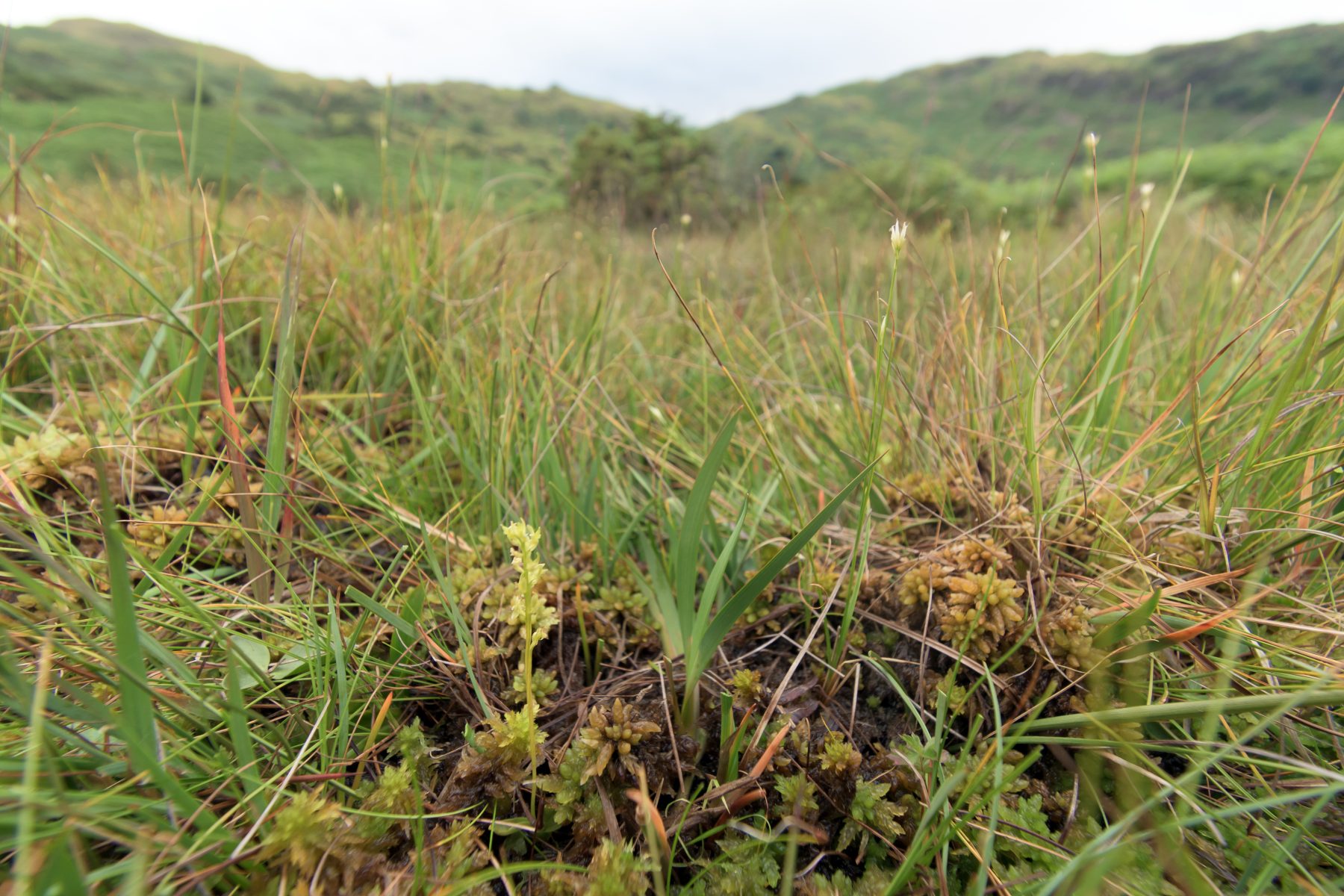
Whatever anyone may say, I can hardly think of any orchid in Europe smaller than Hammarbya paludosa, the bog orchid. Some may proclaim Chamorchis alpina the undisputed champion when it comes to the size of an individual flower—which is indeed an astonishingly tiny little tuft of grass growing in the open turf among Alpine rocks—or call the Neottia cordata, hiding among the coniferous litter of high mountains, into the competition, or even Herminium monorchis. Yet to my eyes, Hammarbya paludosa remains a fragile little blade of grass barely poking its way out of the greenish-brown wilderness of sphagnum moss, with truly extreme dimensions—at least in the world of European orchids. Although according to the books it can supposedly reach a height of 15–25 cm, I can reassure everyone that only a few percent of the entire global population ever stretch to such stratospheric heights; most remain in the 5–10 cm range, perhaps closer to 5 cm. So far, I have had the good fortune to encounter the species in two places: after wandering for hours through the endless peat bogs of England’s Lake District, I found a single, lonely, minuscule specimen, while in a beautiful mountain fen in Austria I was able to examine a somewhat larger population (meaning around 6–7 specimens). On both occasions, it was as if I had stumbled upon tiny green needles hidden in a heap of moss.
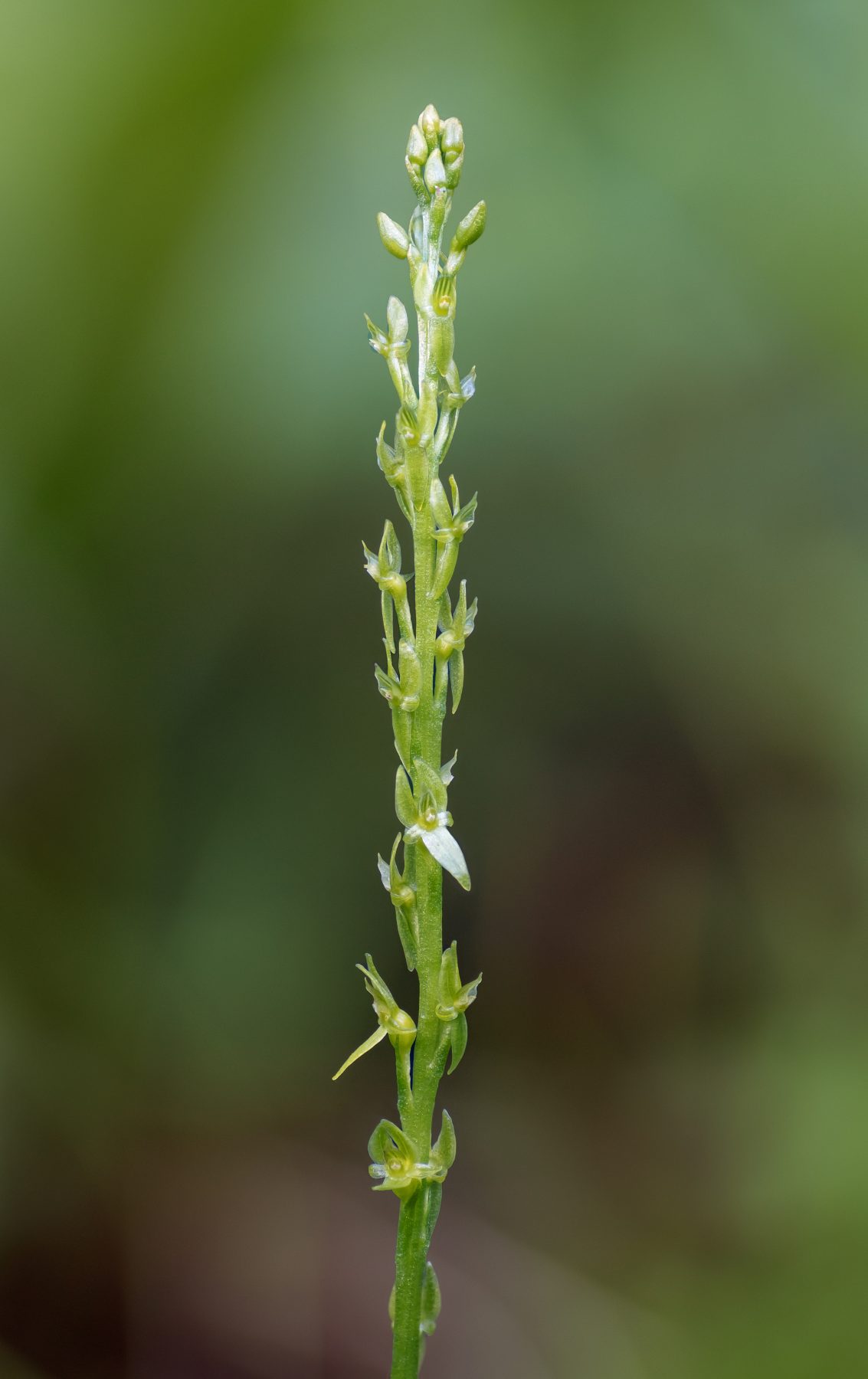
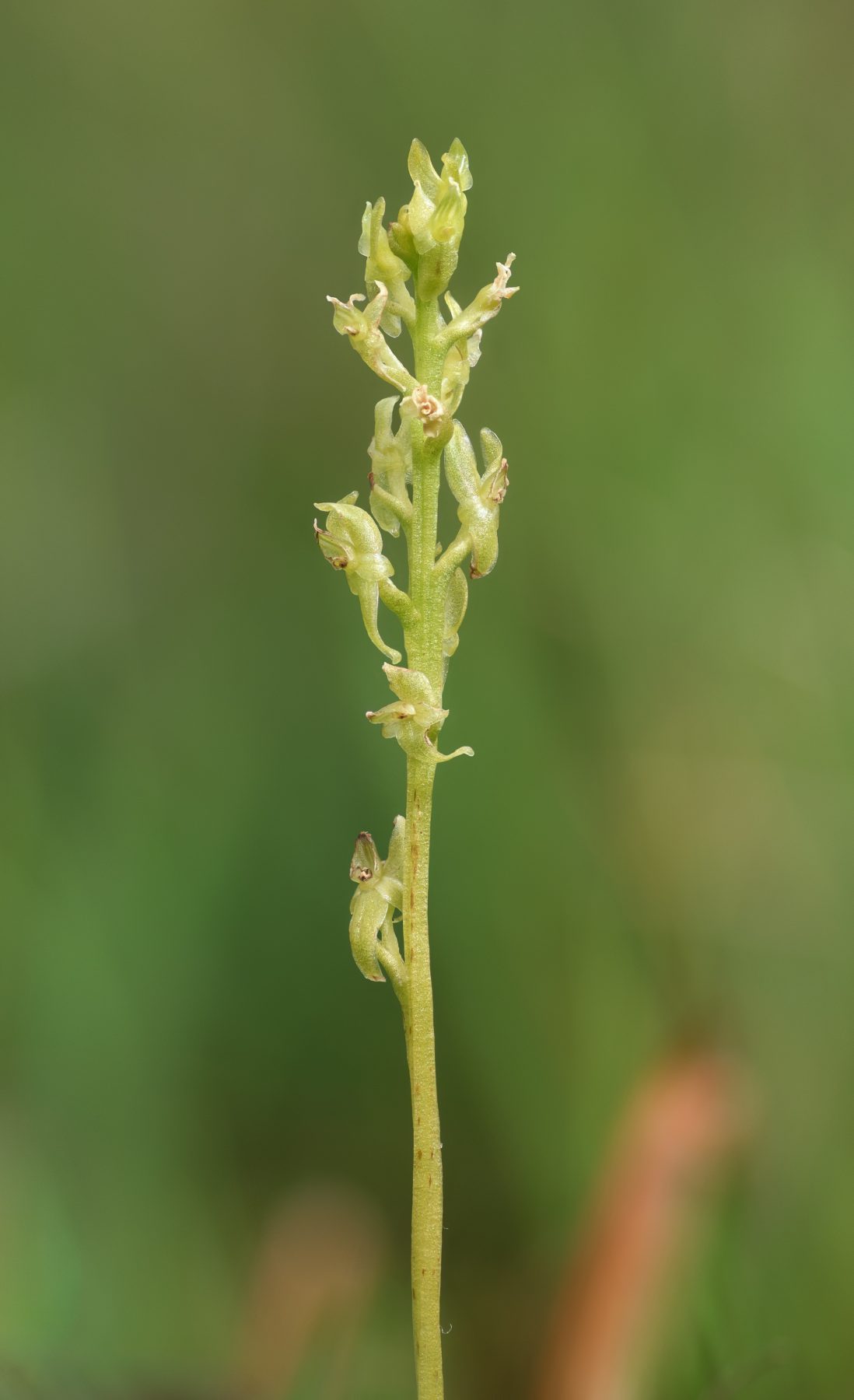
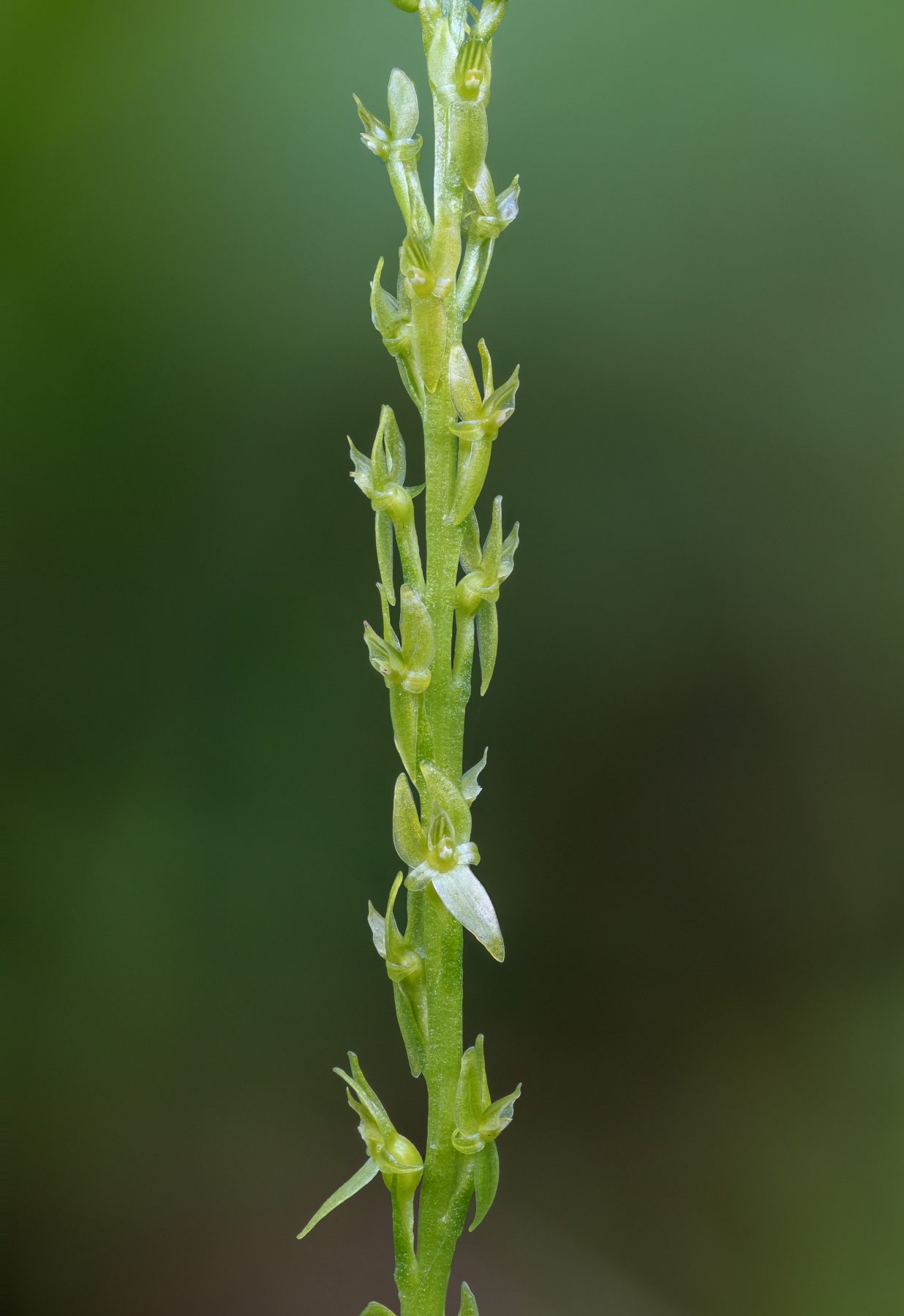
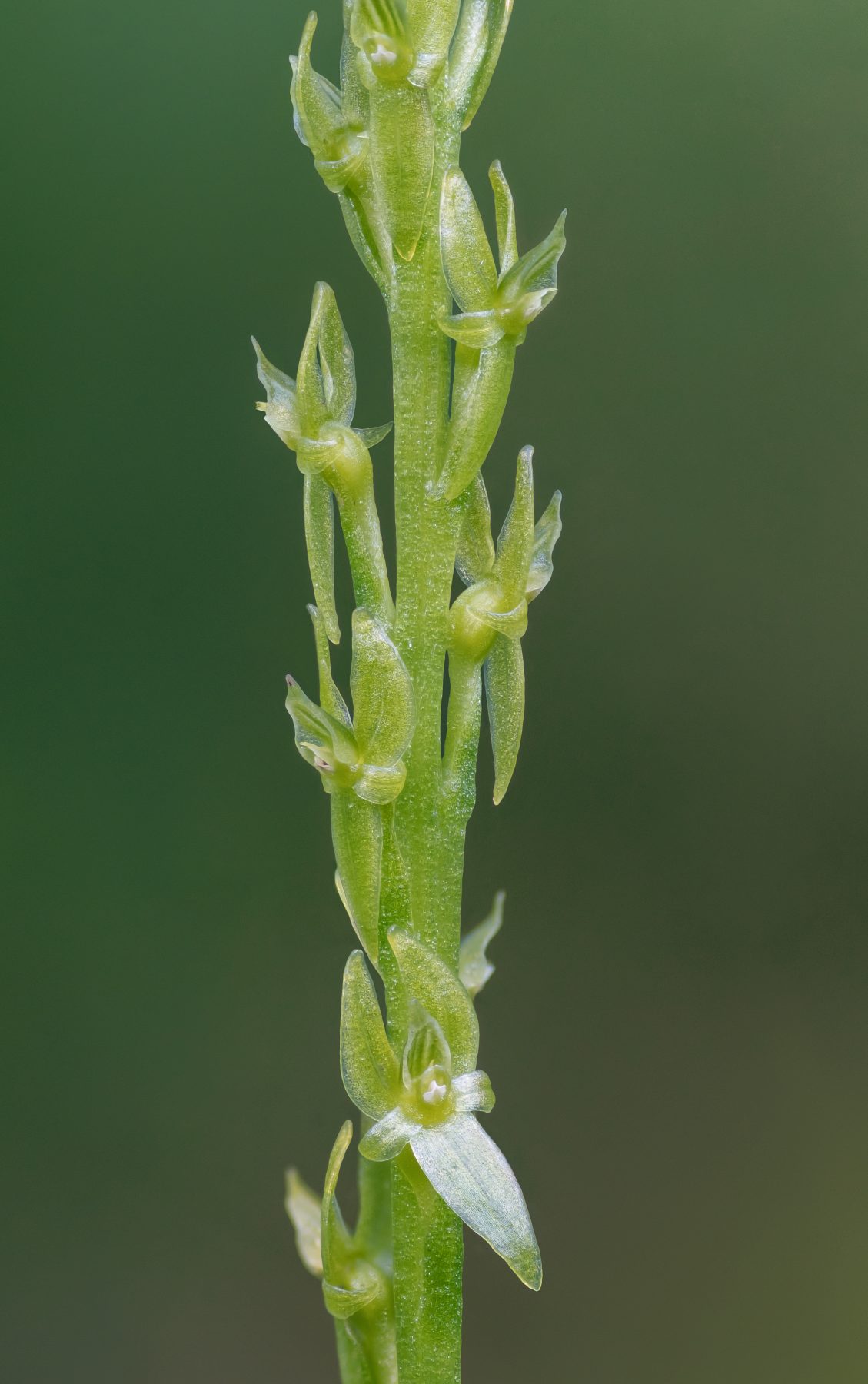
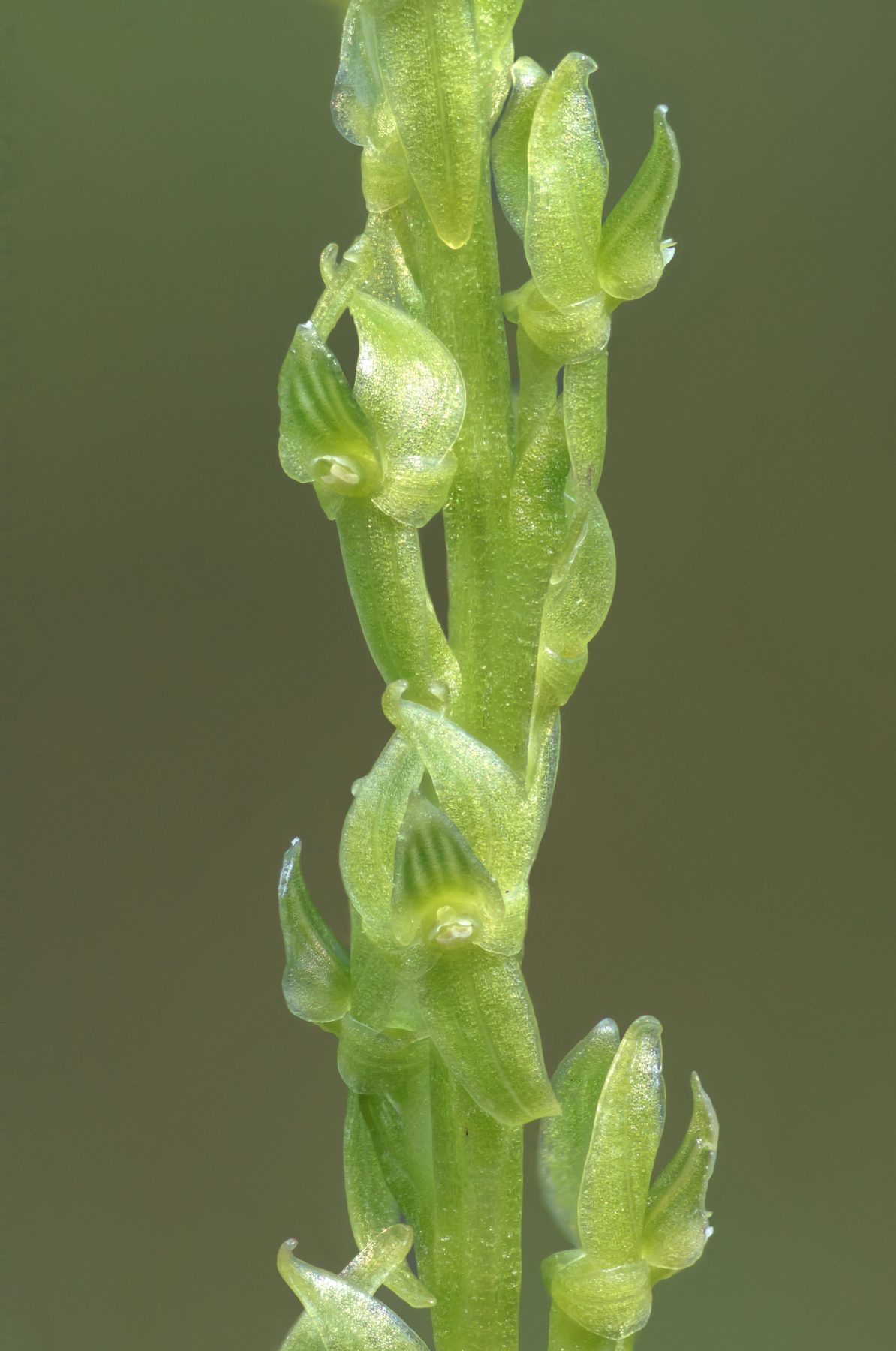
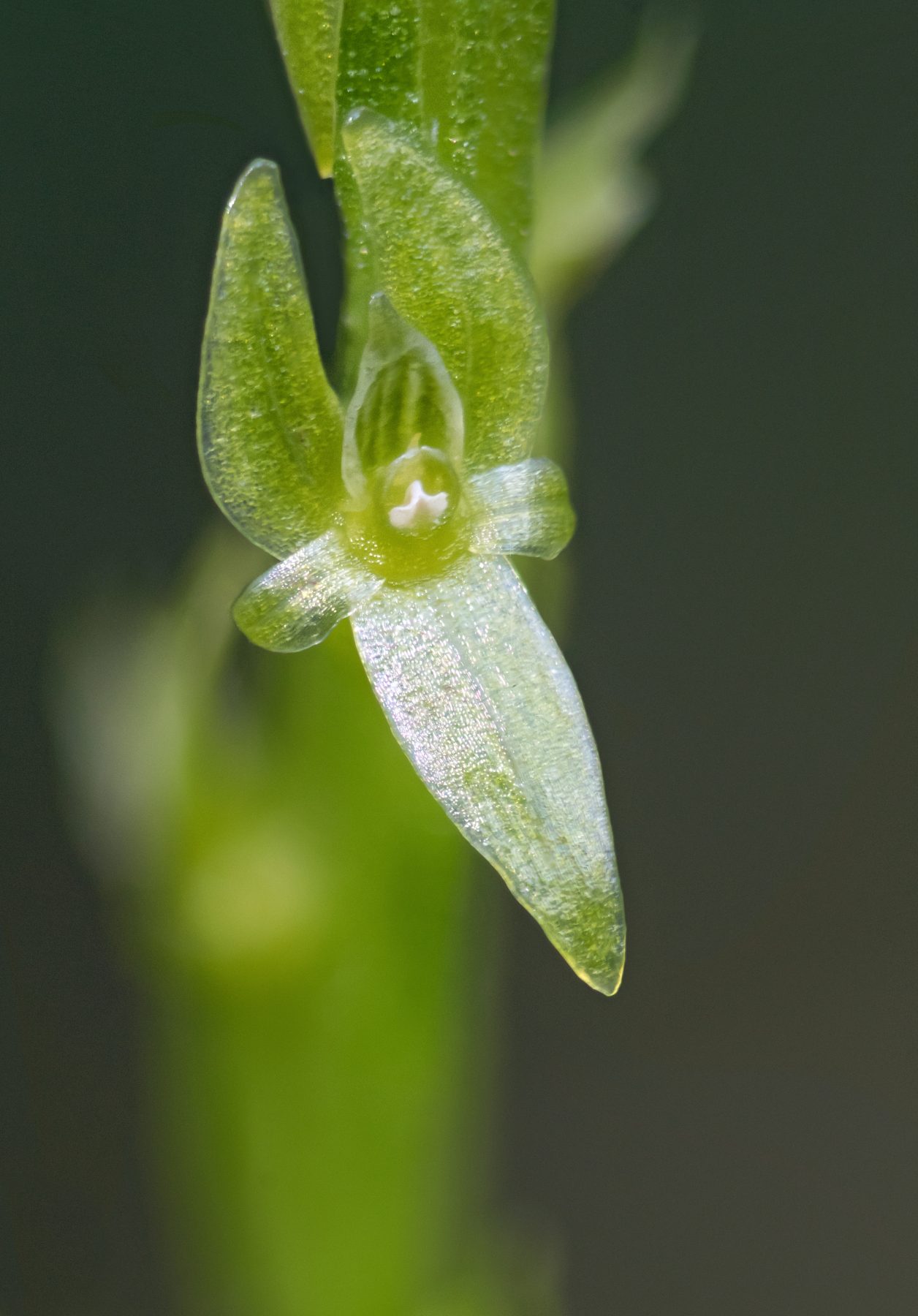
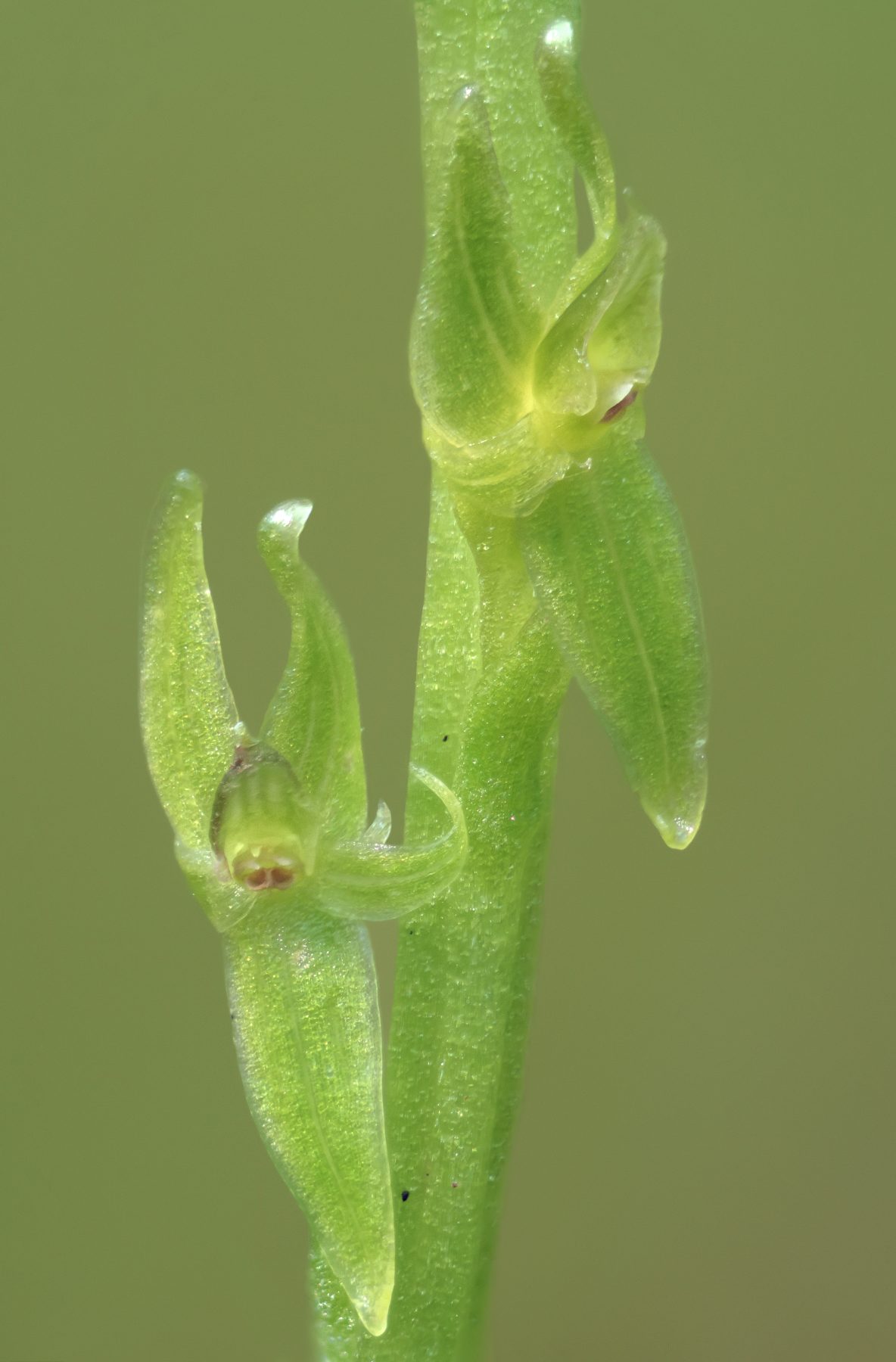
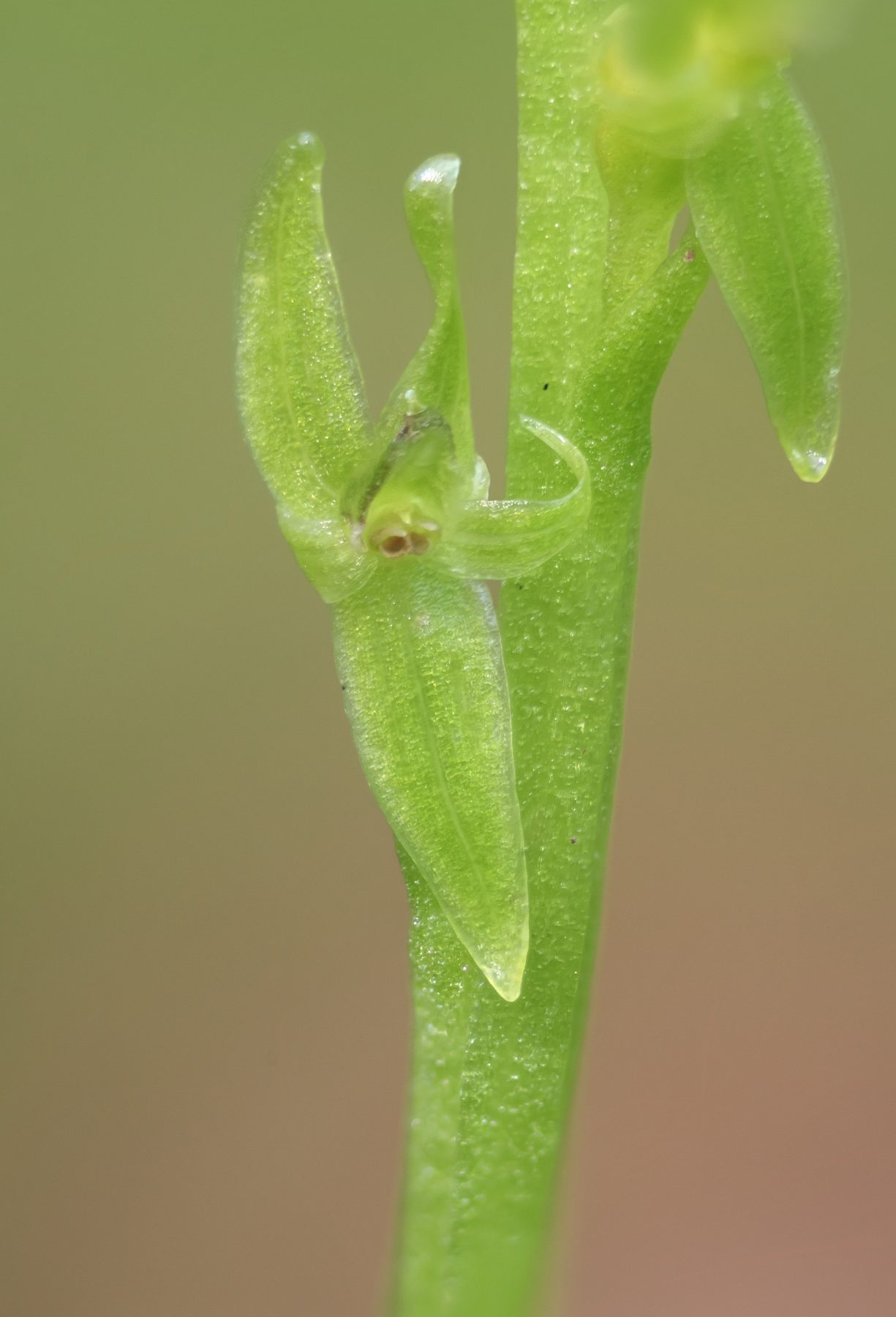
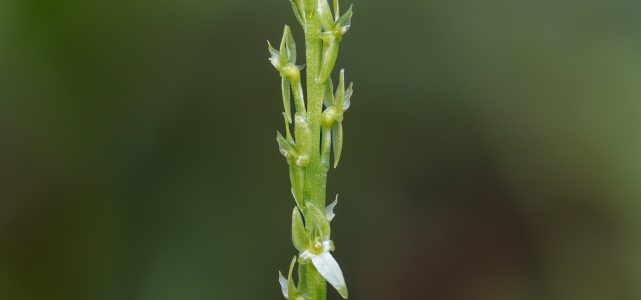
Obviously, on such a hair-thin plant, the flowers are hardly going to catch your eye from a distance either. In fact, they are so tiny that we are already working in the millimetre range when measuring the uniformly greenish (-yellowish) perianths and the lip. When photographing them, we can confidently attach the entire set of extension tubes to the macro lens; the flower still won’t stick out of the field of view, no matter how much magnification we decide to use. And even with such a close-up view, one has to be very alert when it comes to the flower’s structure, because nothing is quite what it first appears to be. The elongated, lanceolate, downward-pointing, tongue-like structure that we might take for the lip is actually the dorsal sepal, while the green-veined, triangular, slightly curved lip is, as it happens, pointing upwards. The trick is the result of a failure—or, more precisely, an overdoing—of resupination: the flower emerging from the bud does not rotate 180 degrees around the axis of the ovary, but makes a full revolution, thus returning to its original upside-down position. A similar over-rotation can also be observed in the fen orchid (Malaxis monophyllos), perhaps explaining why there was once an attempt to merge the bog orchid into the genus Malaxis, an initiative that, however, was simply rejected by a good part of the botanical community.
Its diminutive size also limits the potential pollinators, which, unsurprisingly, are tiny dipterans (flies and mosquitoes). In exchange for the nectar offered by the flower, they perform the task assigned to them. If the plant nevertheless fails to “find” an insect of the appropriate size, it does not despair: it has another means of ensuring its propagation, as the plant is capable to reproduce vegetatively. Tiny (naturally!), ovoid bulbils develop year after year at the tips of its basal leaves, which are often conveniently concealed by the moss cushion, as well as along the margins of the so-called pseudobulb that develops on its underground rhizome. These millimetre-sized propagules fall into the sphagnum moss and, in the presence of fungi, begin to germinate.
It has an exceptional affinity for both moisture and light, but has little tolerance for lime, which also restricts where it can become established: it requires slightly acidic, well-watered sphagnum bogs, together with suitable fungal associations. Such conditions occur widely across the northern half of Europe, roughly north of the belt defined by Slovenia, northern Italy and southern France, but the species is abundant at only a small number of sites, making it a rare and endangered species in any case. In Hungary, one confirmed occurrence is known, in the northeastern corner of the Great Hungarian Plain (the 19th-century record from the Hanság is questionable as to whether it was even within the borders of present-day Hungary), and unfortunately the future of this population is highly uncertain.
Across Europe, declining water levels are becoming a major problem as a result of a changing climate increasingly punctuated by longer dry periods. Alongside other wetland species, this is nothing short of catastrophic for the bog orchid in particular. This is compounded by the drainage of bogs, ill-advised afforestation projects, and, sadly, trampling by visitors to these fragile habitats. The latter is something we photographers ourselves must make every effort to minimise, and such places should be visited with extreme care and, wherever possible, as infrequently as possible.
Returning to the Hungarian population, the disturbance caused by visits is fortunately minimal, as the habitat patch lies in a remote and out-of-the-way part of the country. At the same time, however, the situation is undoubtedly critical because of increasingly frequent summer—and now, sadly, winter—droughts, despite the fact that water is continuously being replenished in the bog from a nearby well. It is no exaggeration to say that in Hungary the species is on the brink of extinction. It is strictly protected in Hungary, with a statutory conservation value of HUF 100,000.