| Etymology: | From the name of the Swiss Johannes Müller (1478-1542) called Rhellicanus |
| Distribution: | Alps, Apennines, Balkan (Dinaric Alps, Rodope Mountains), Northern Greece |
| Flowering time: | early VII. to mid-VIII. |
| Reproduction: | Allogamy |
| Similar species: | Nigritella austriaca, Nigritella bucegiana, Nigritella nigra, Nigritella iberica, Nigritella gabasiana |
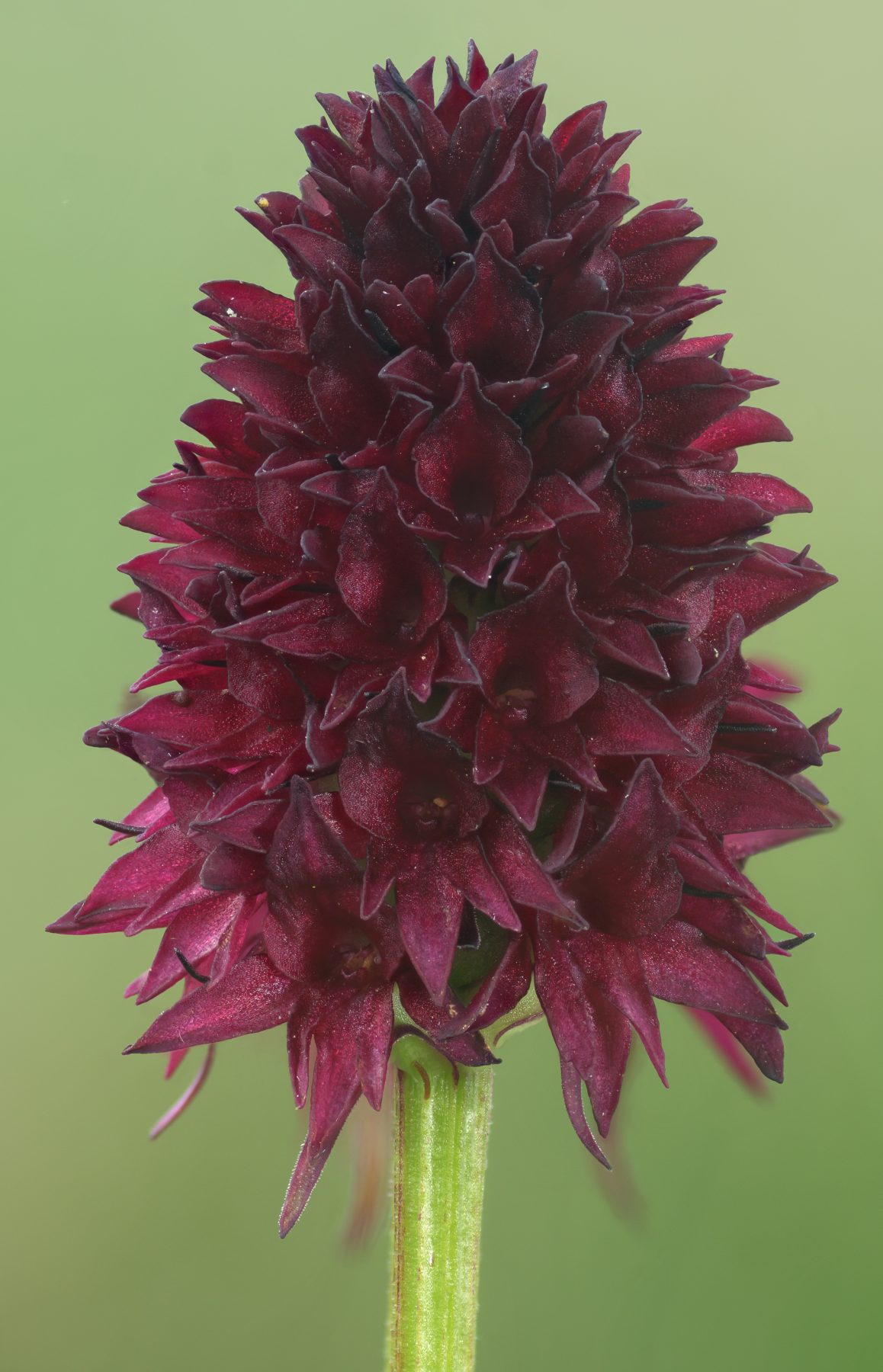
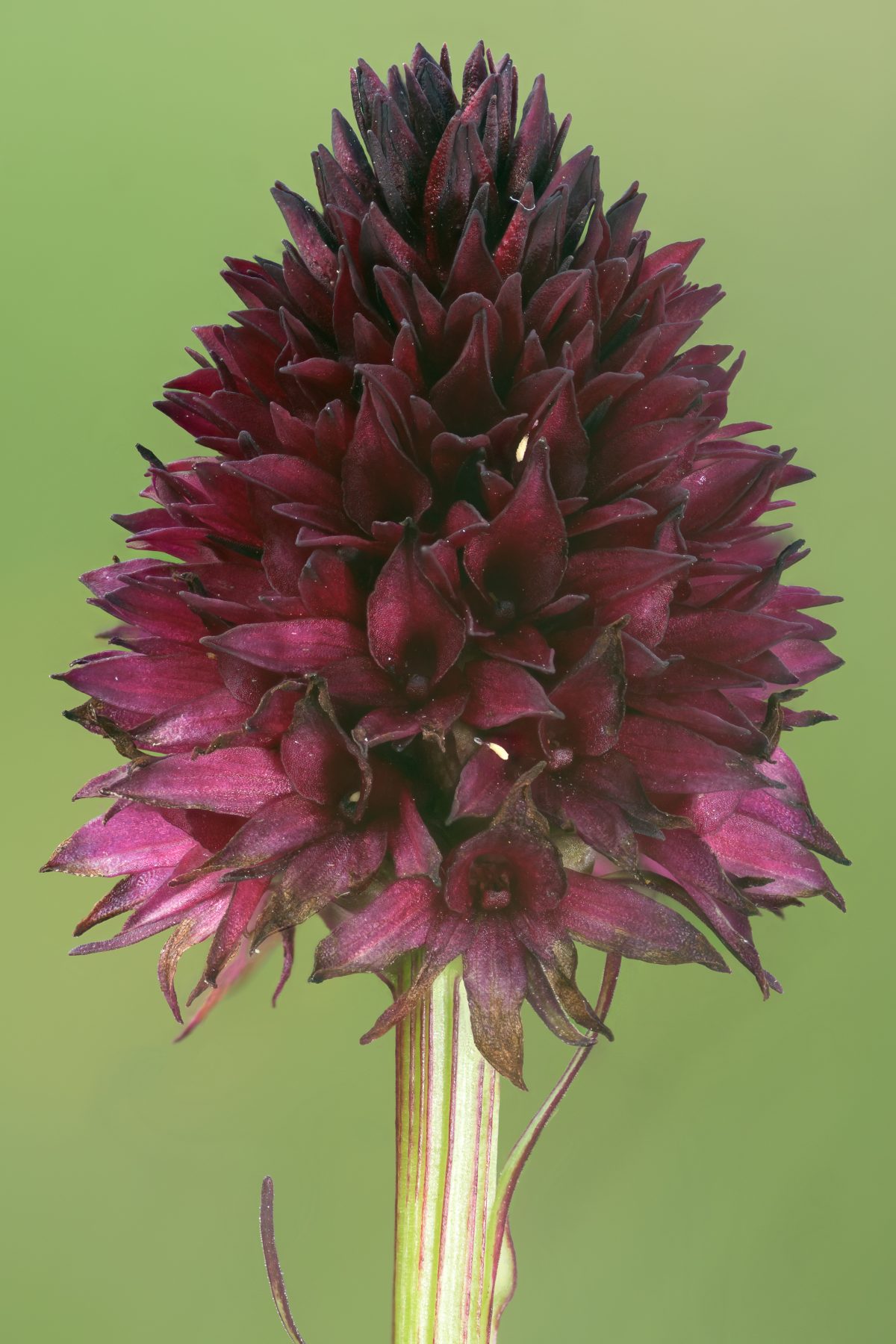
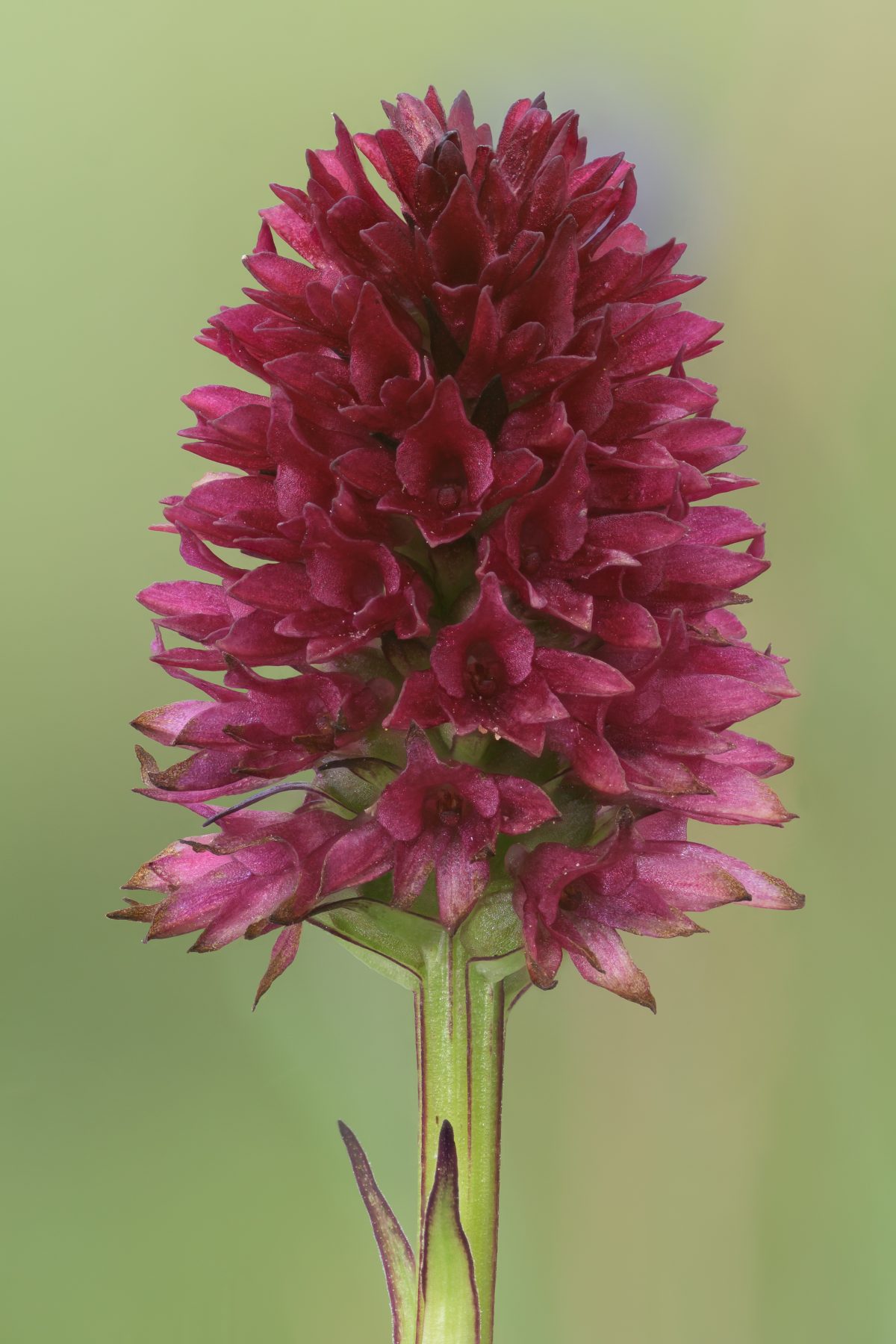
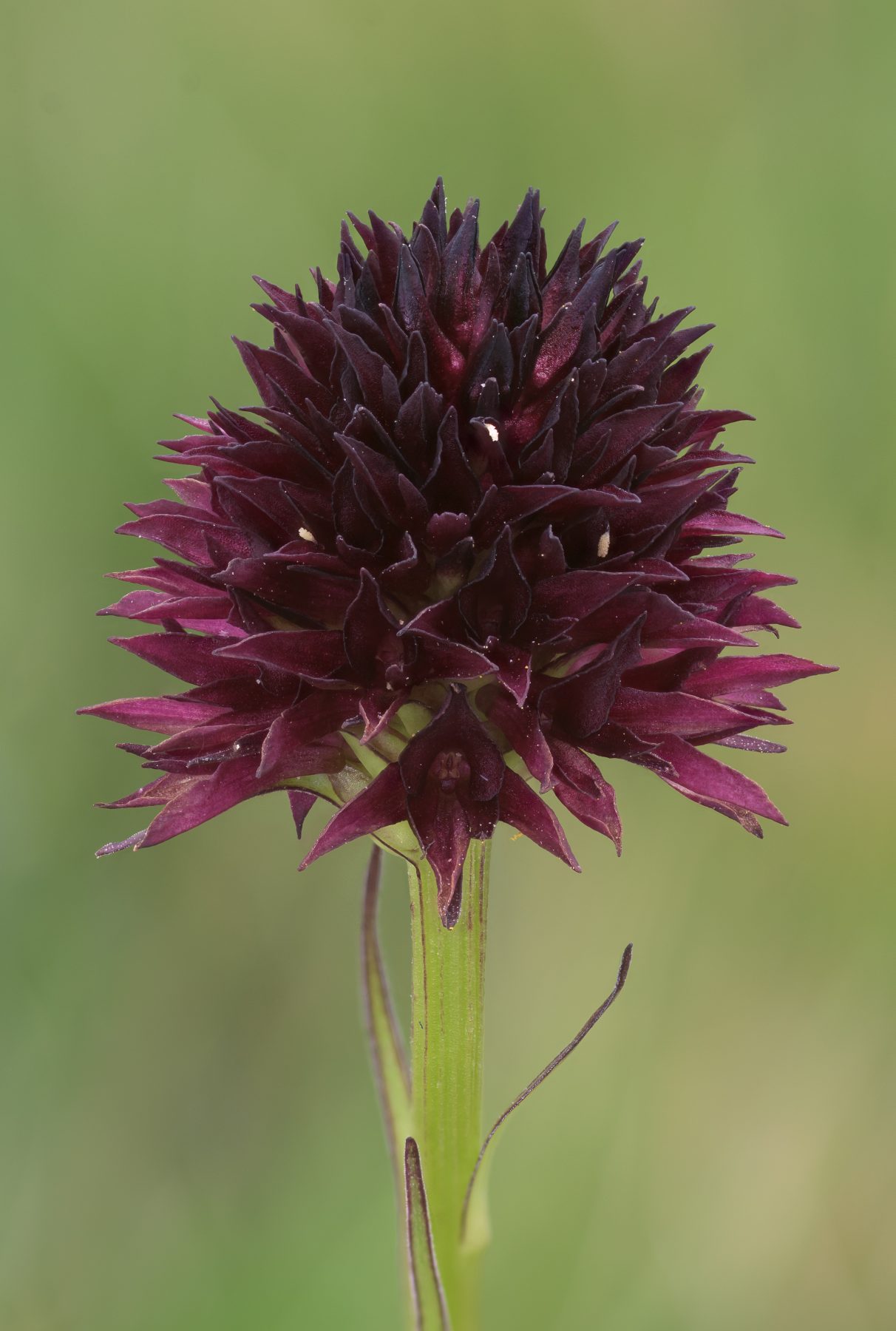
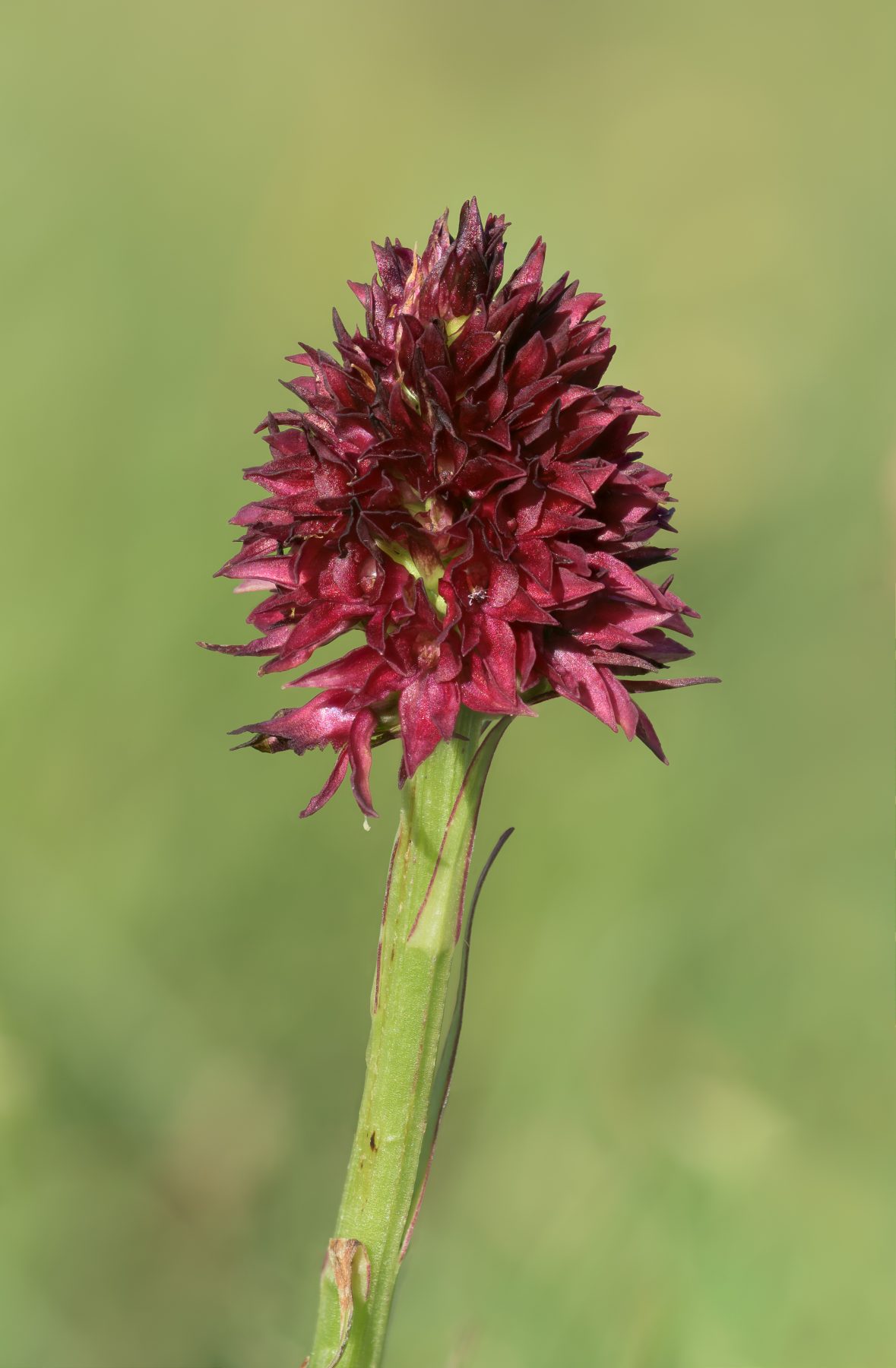
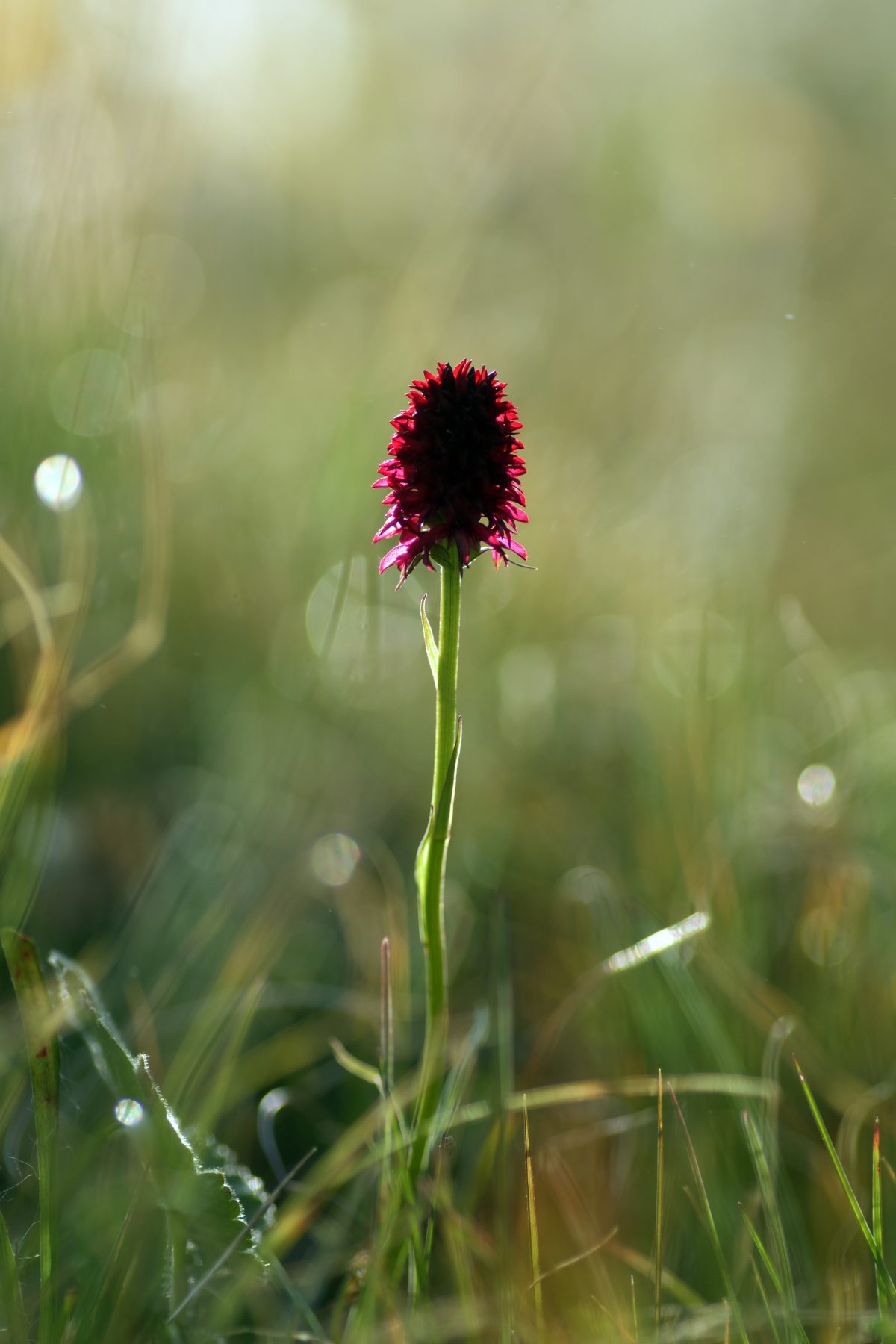
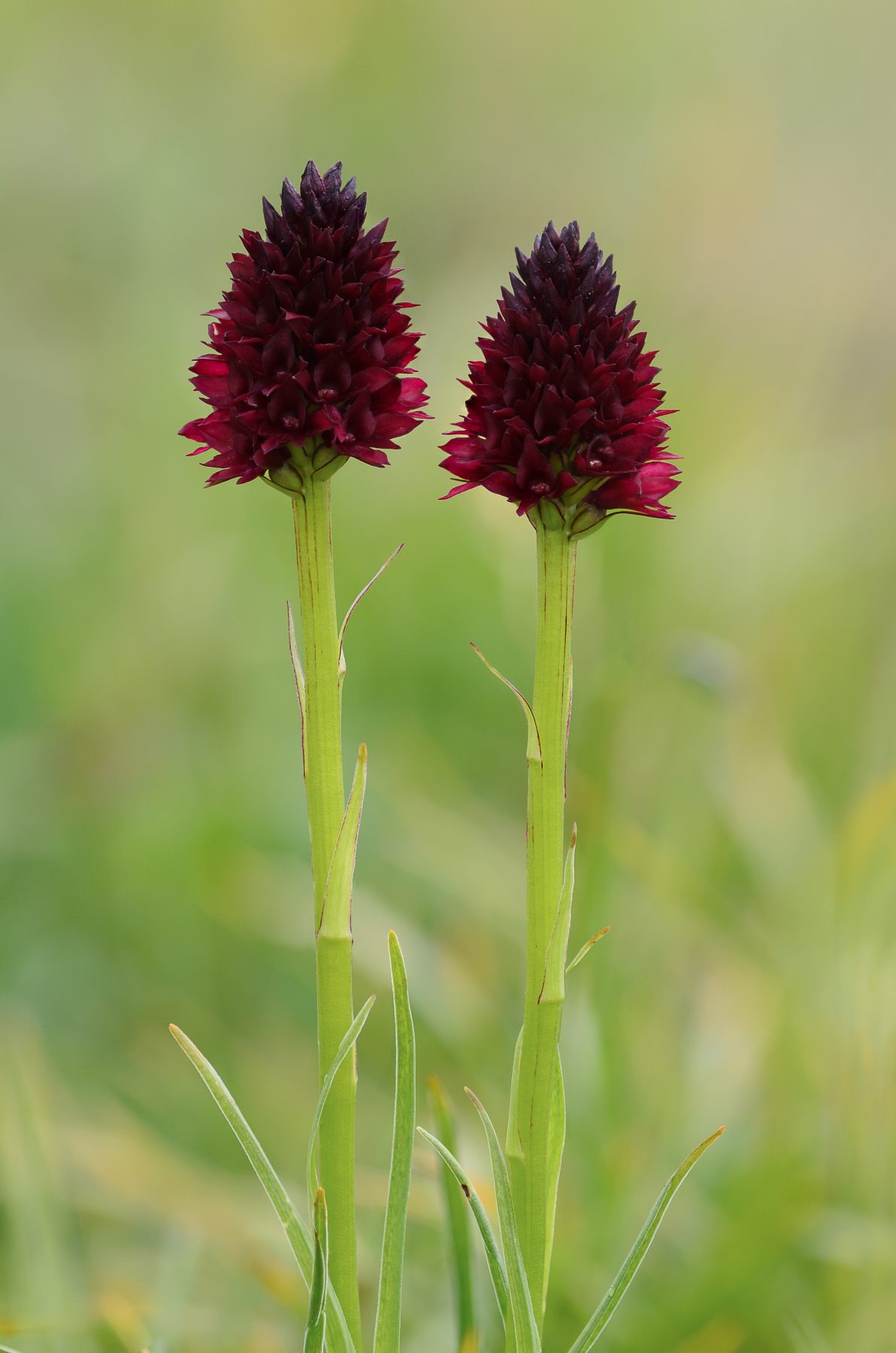
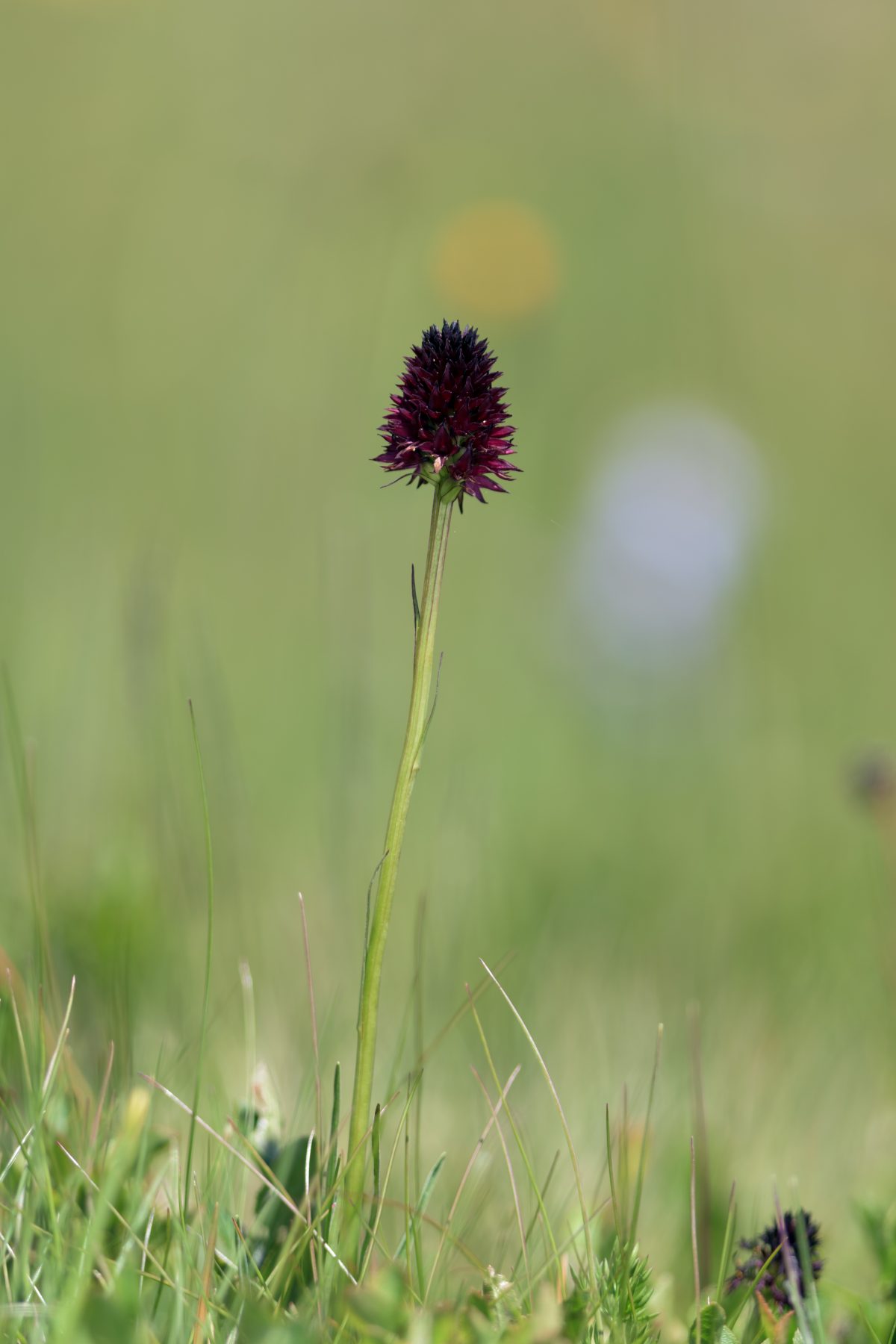
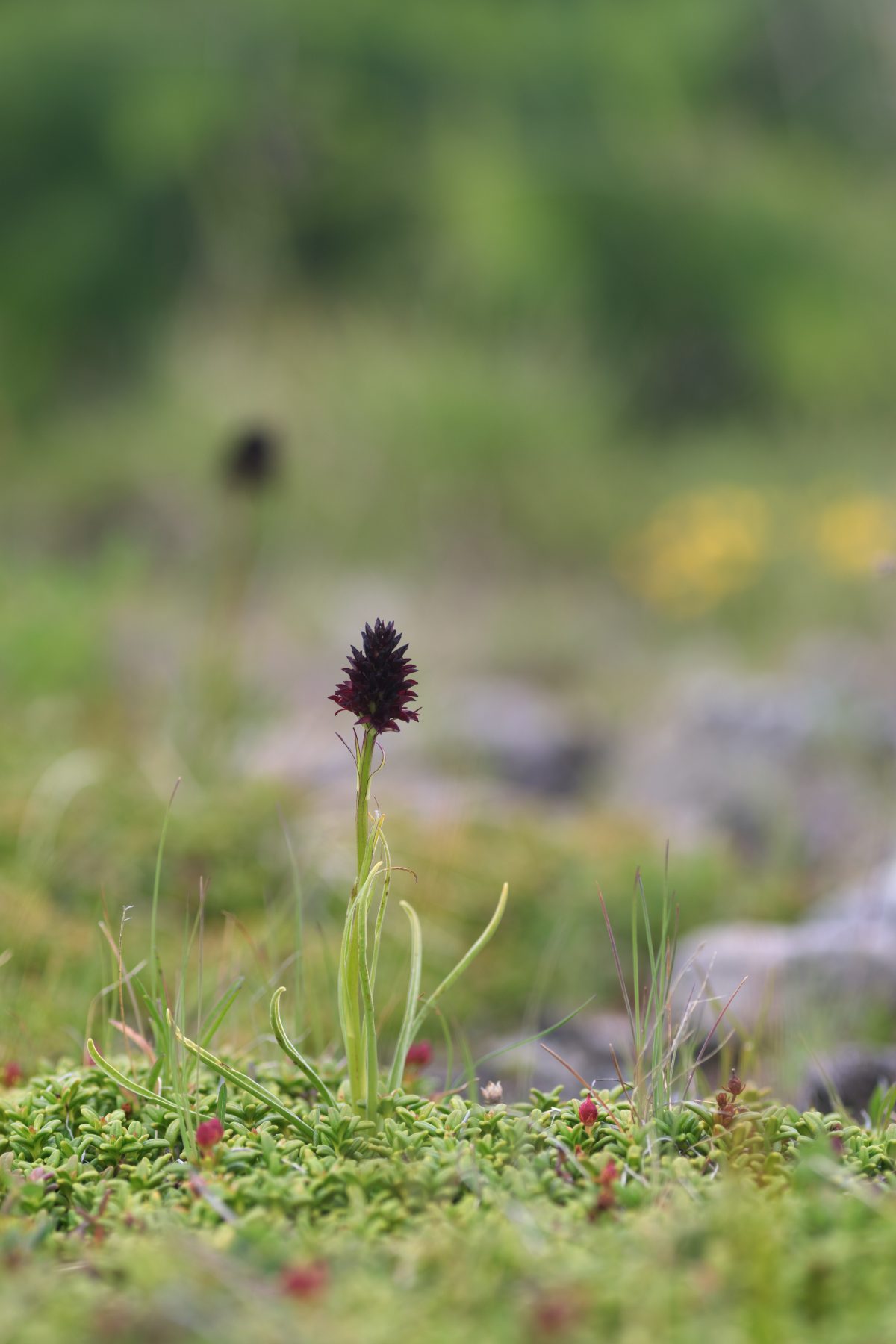
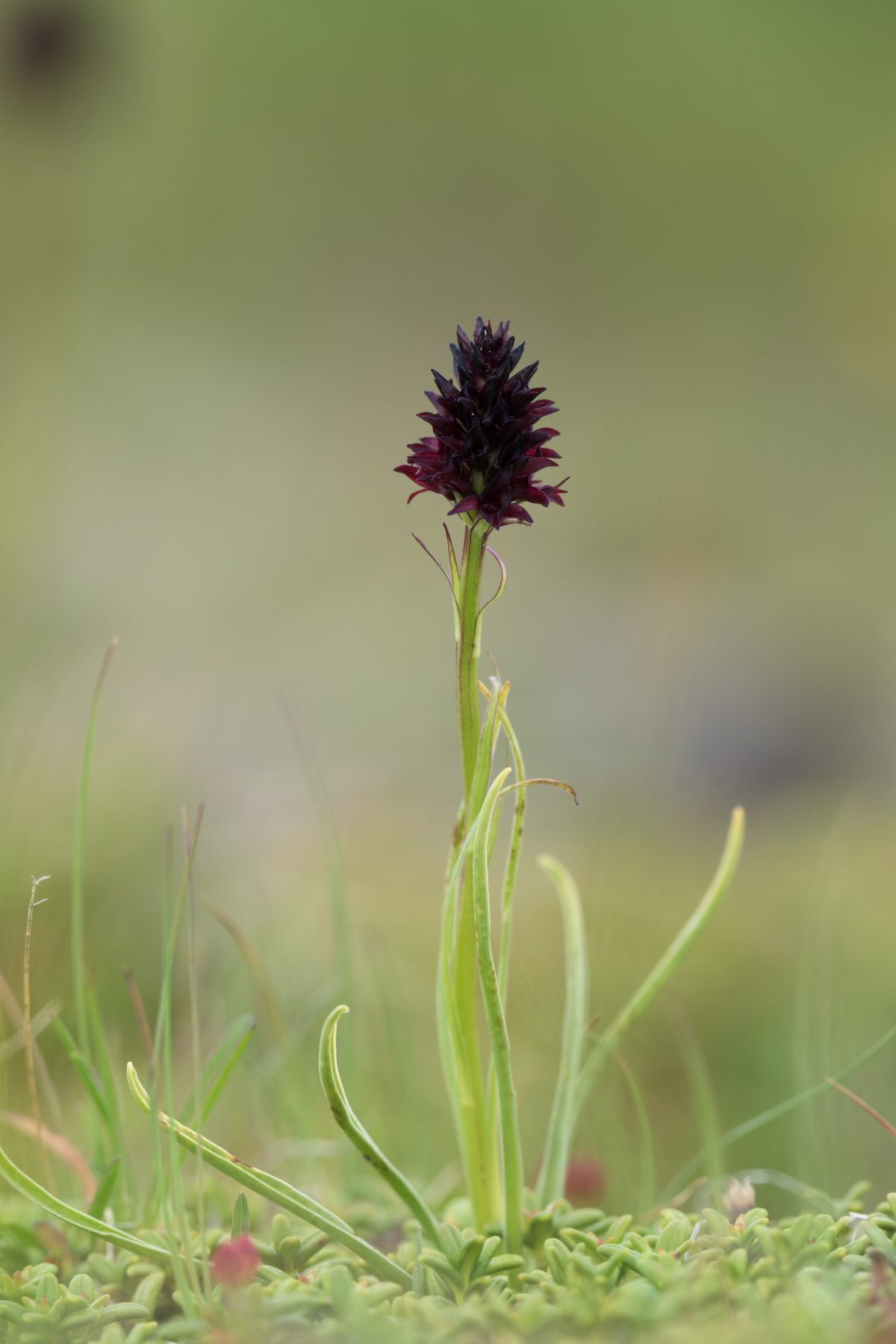
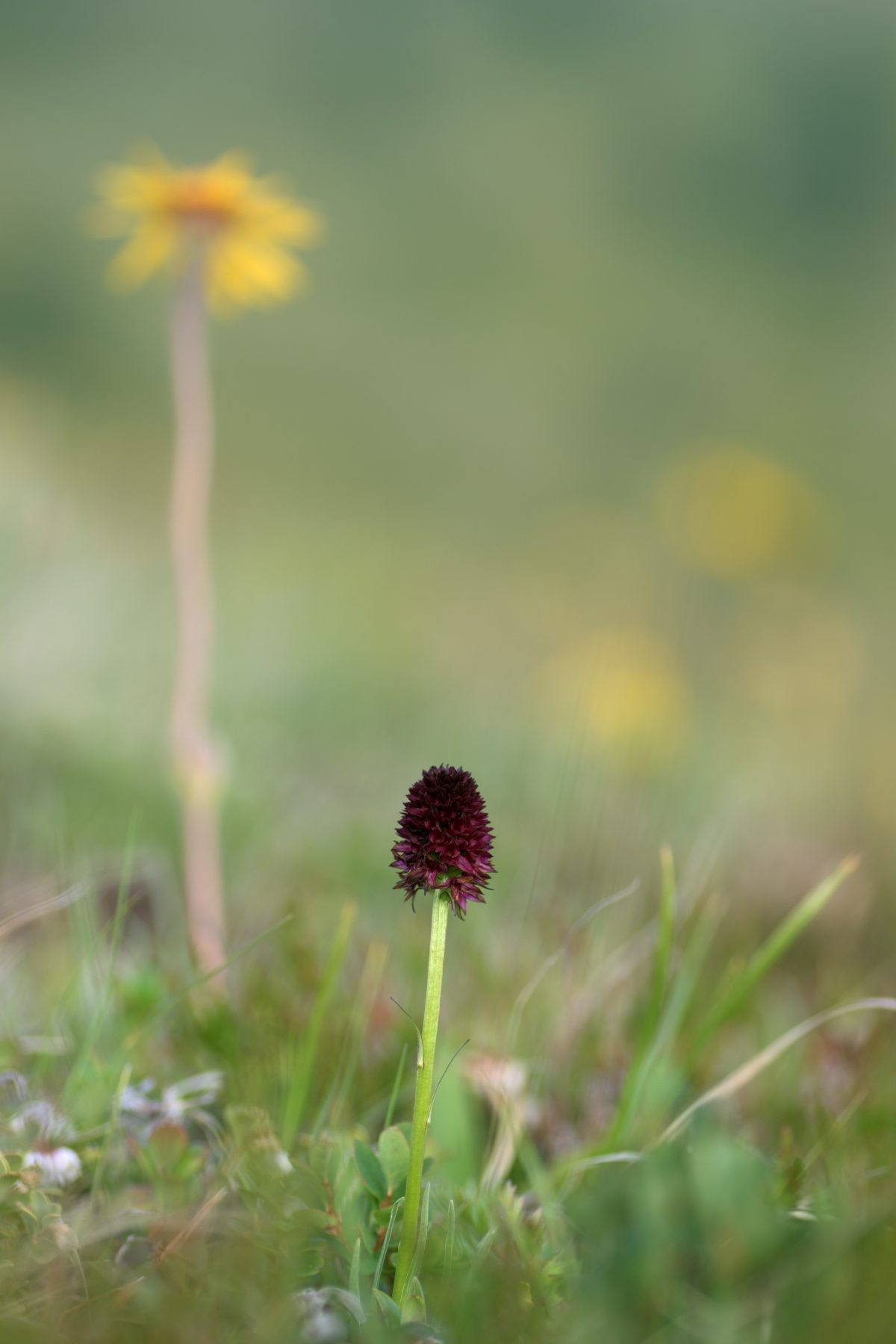
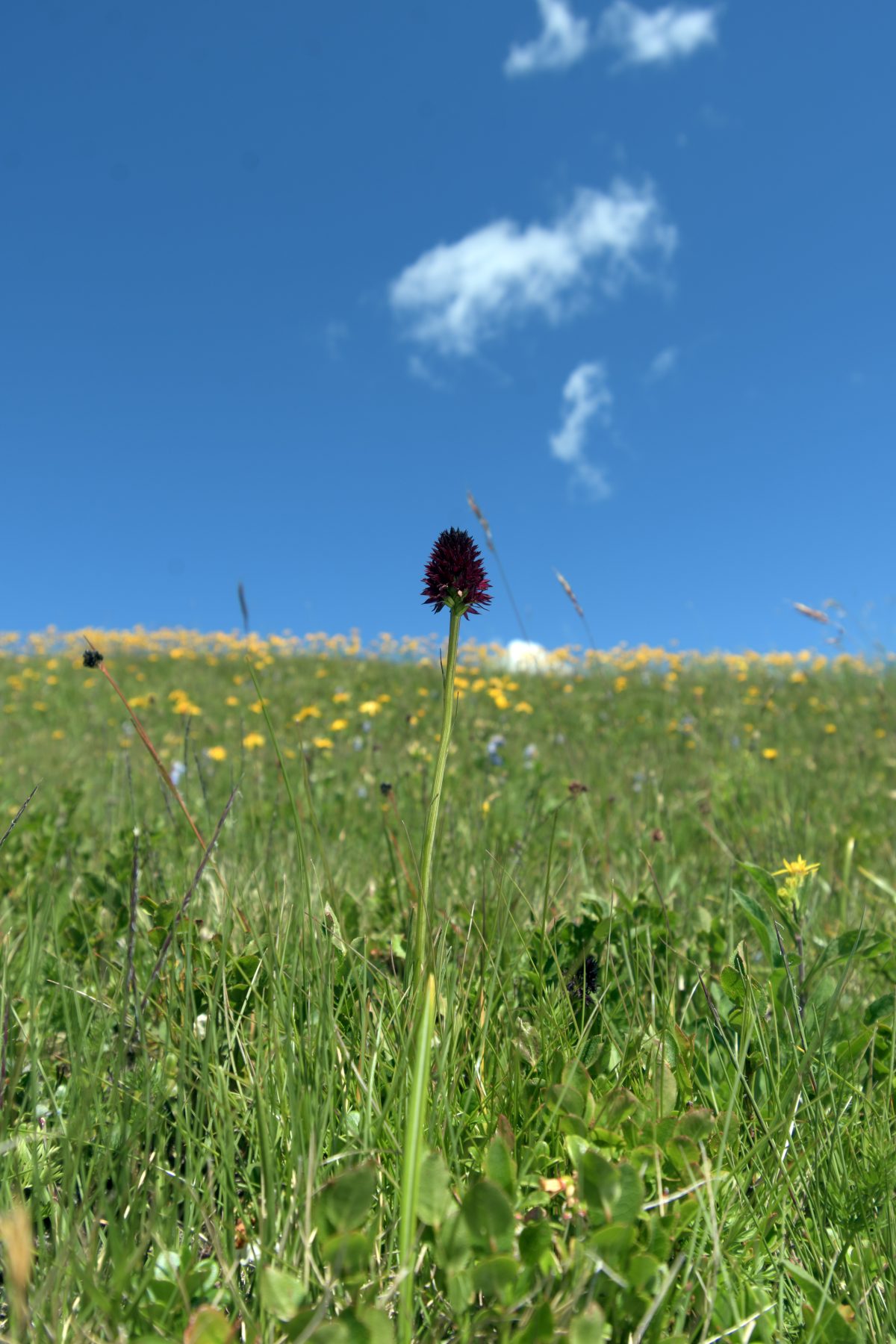
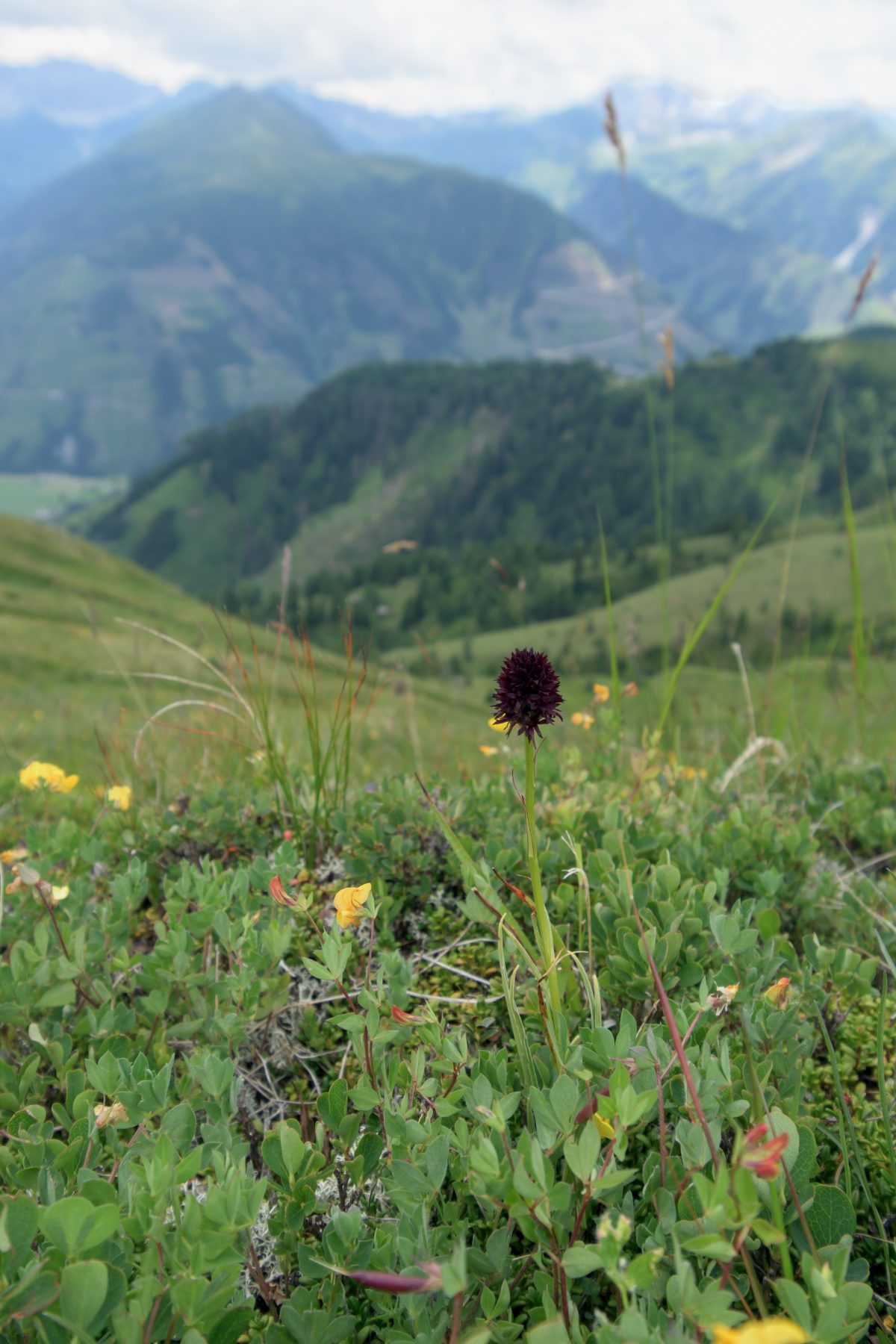
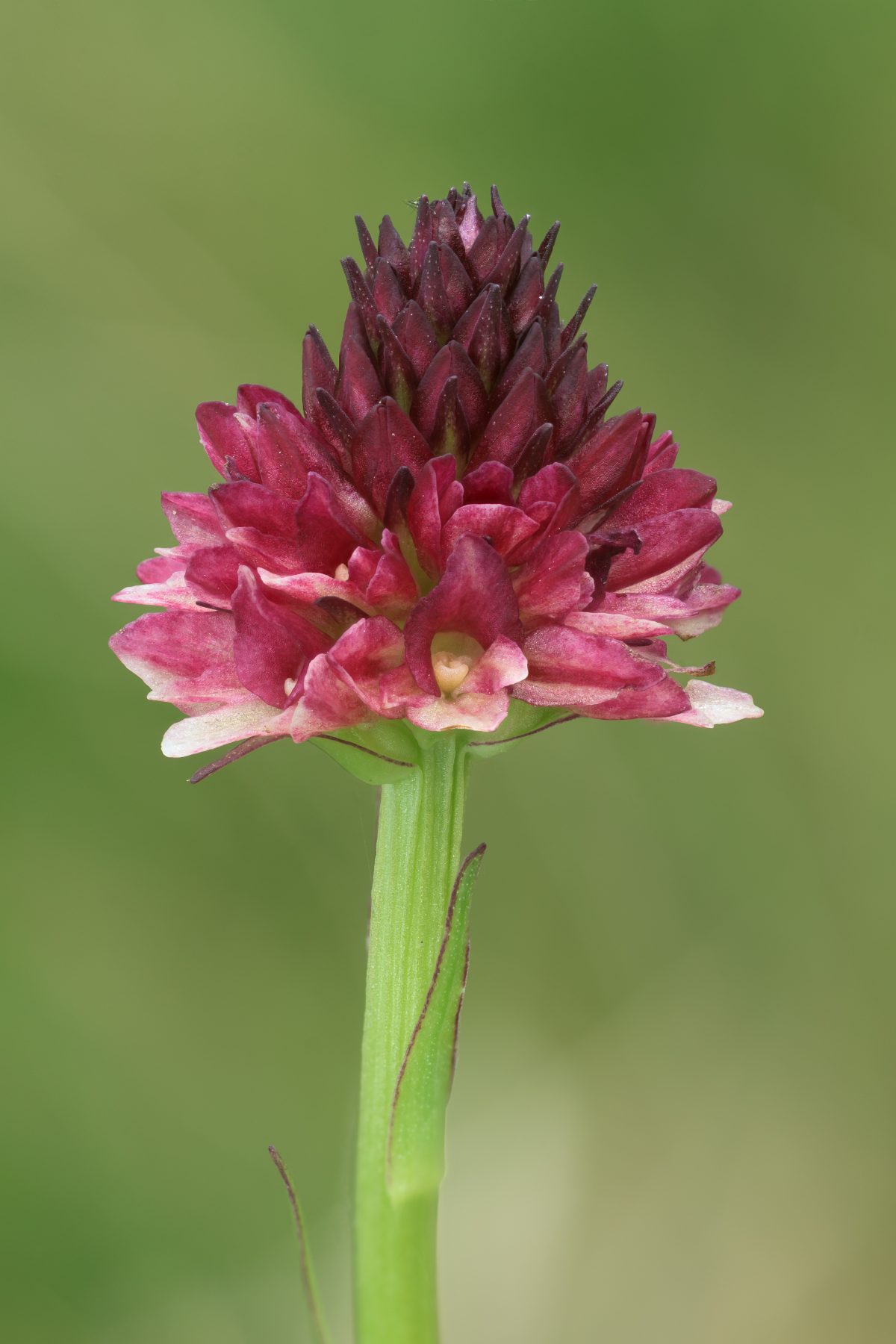
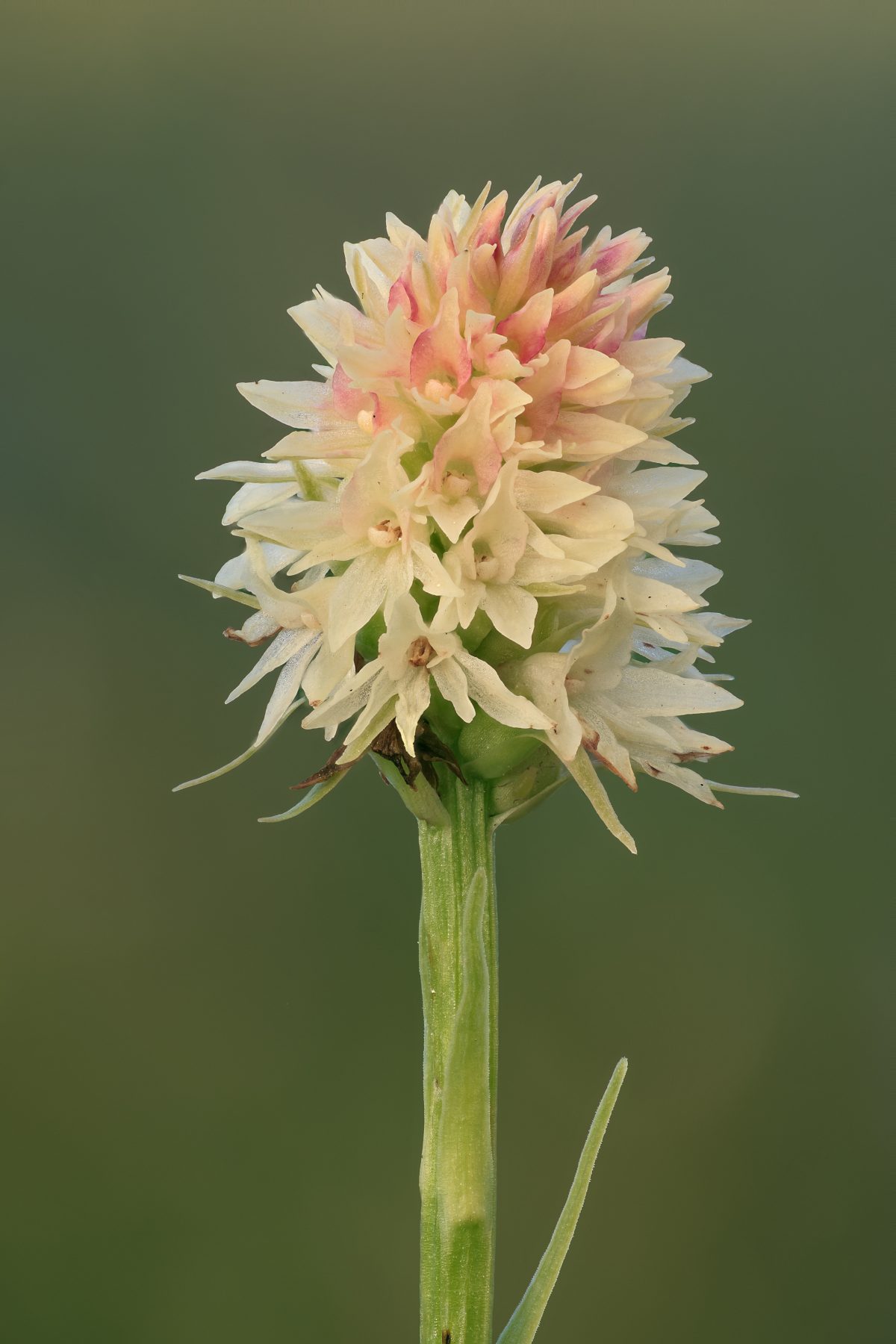
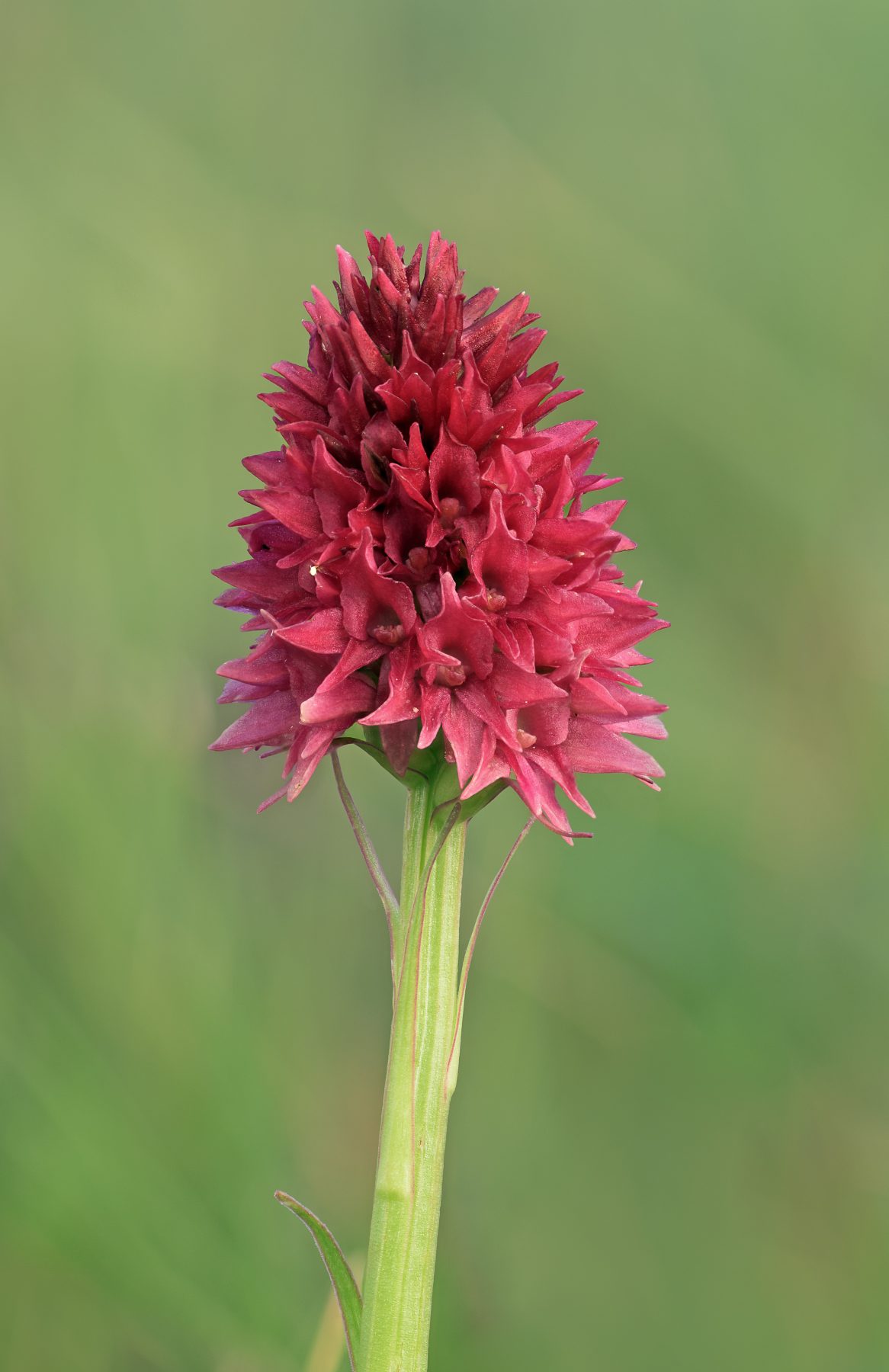
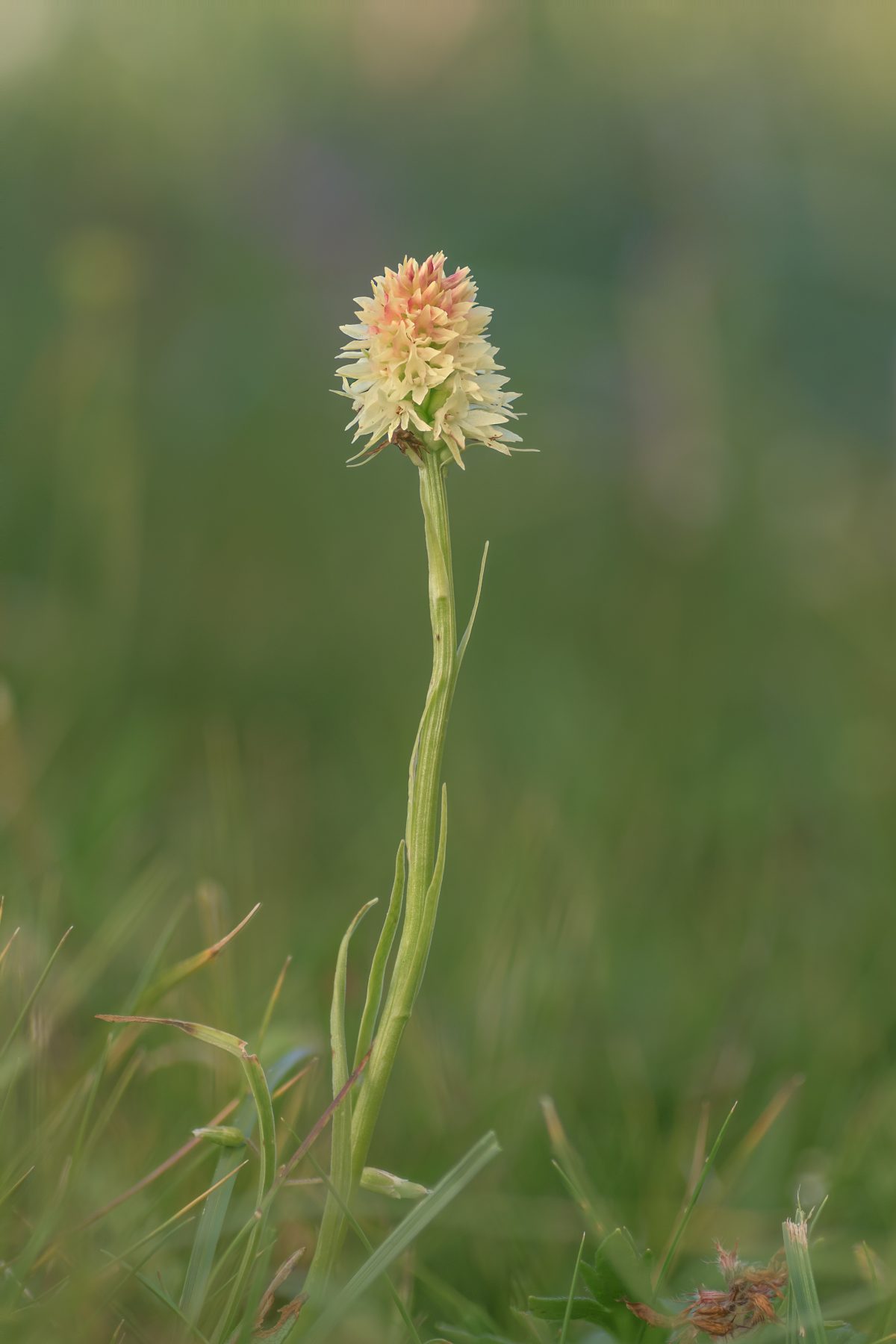
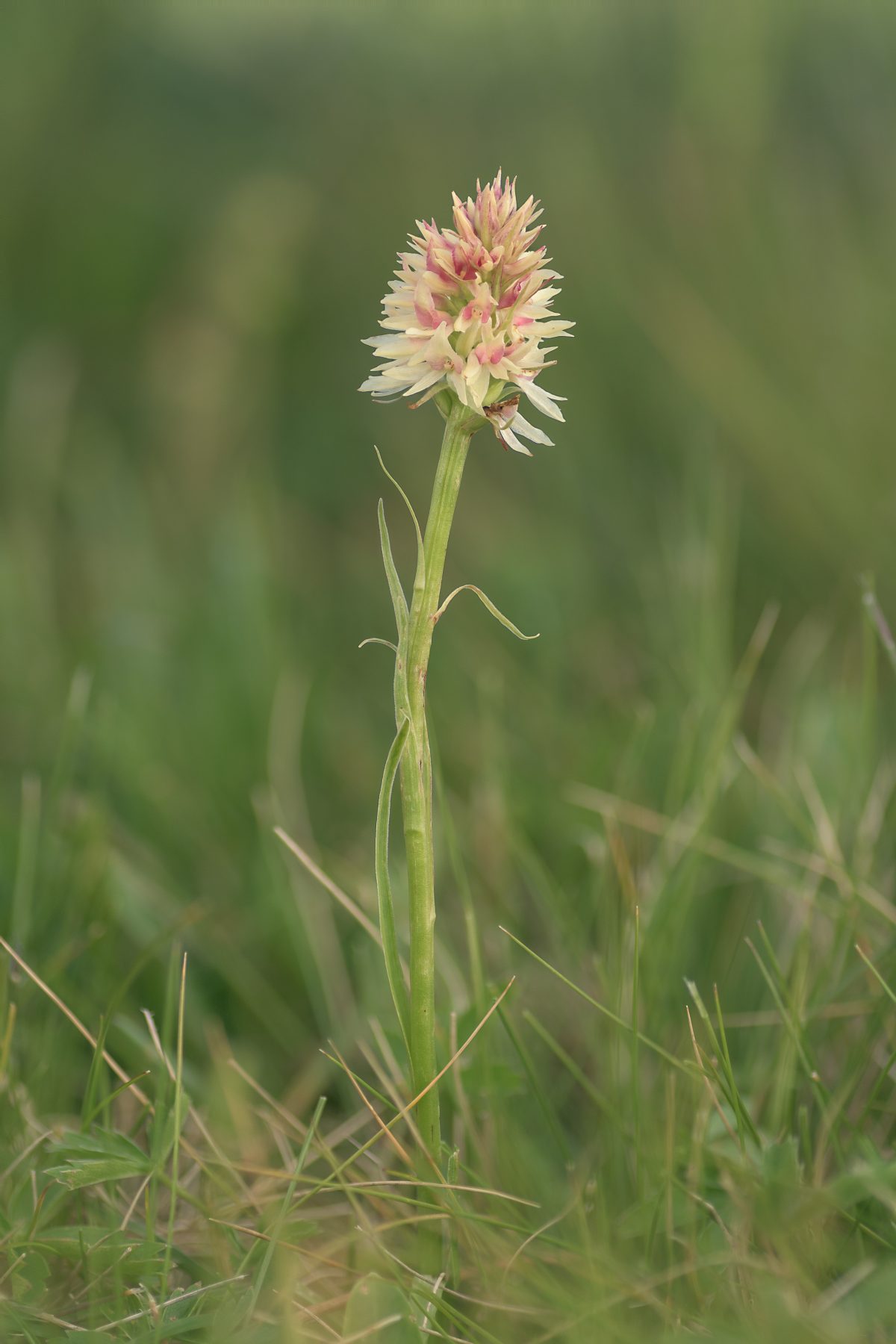
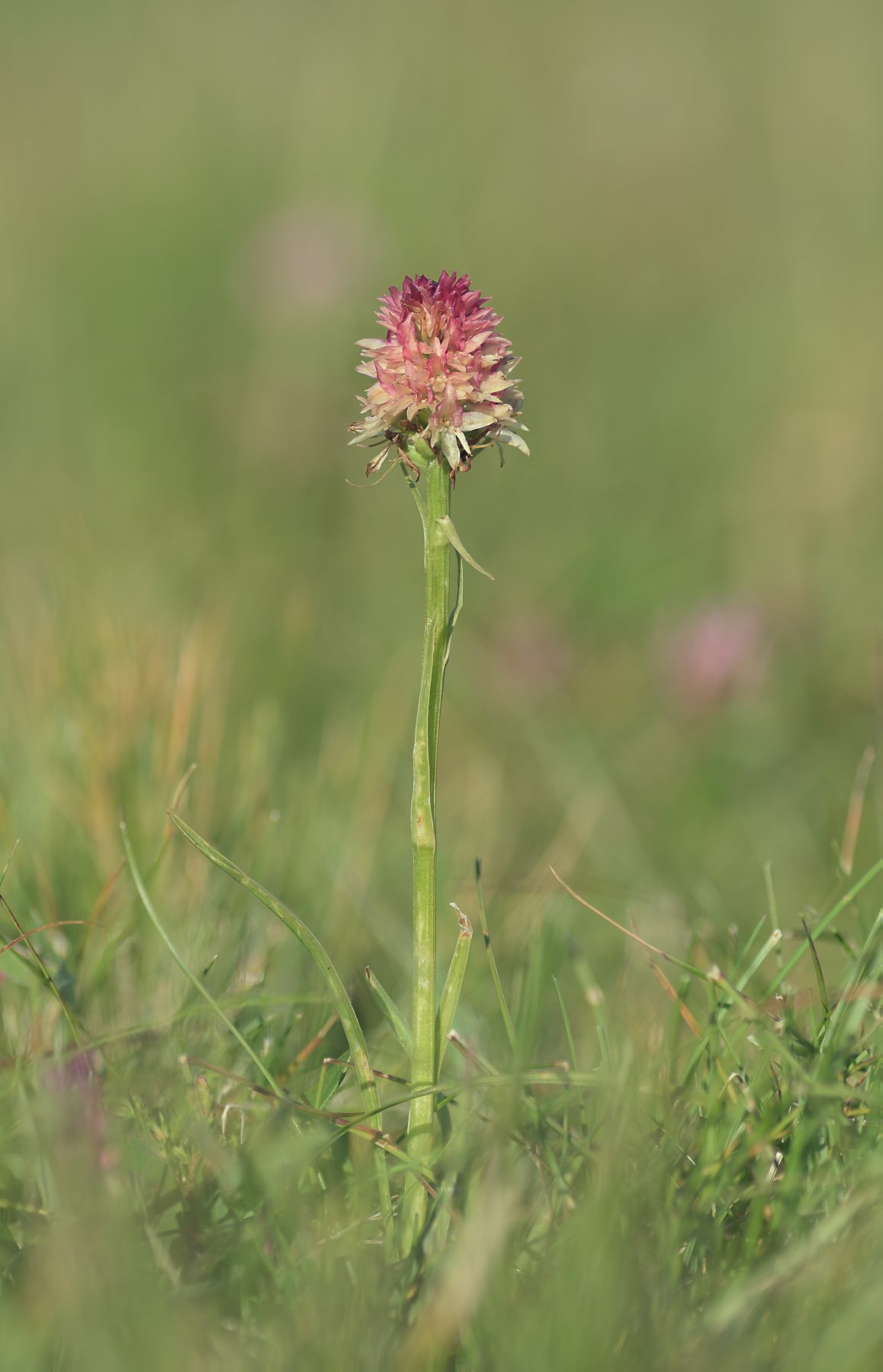
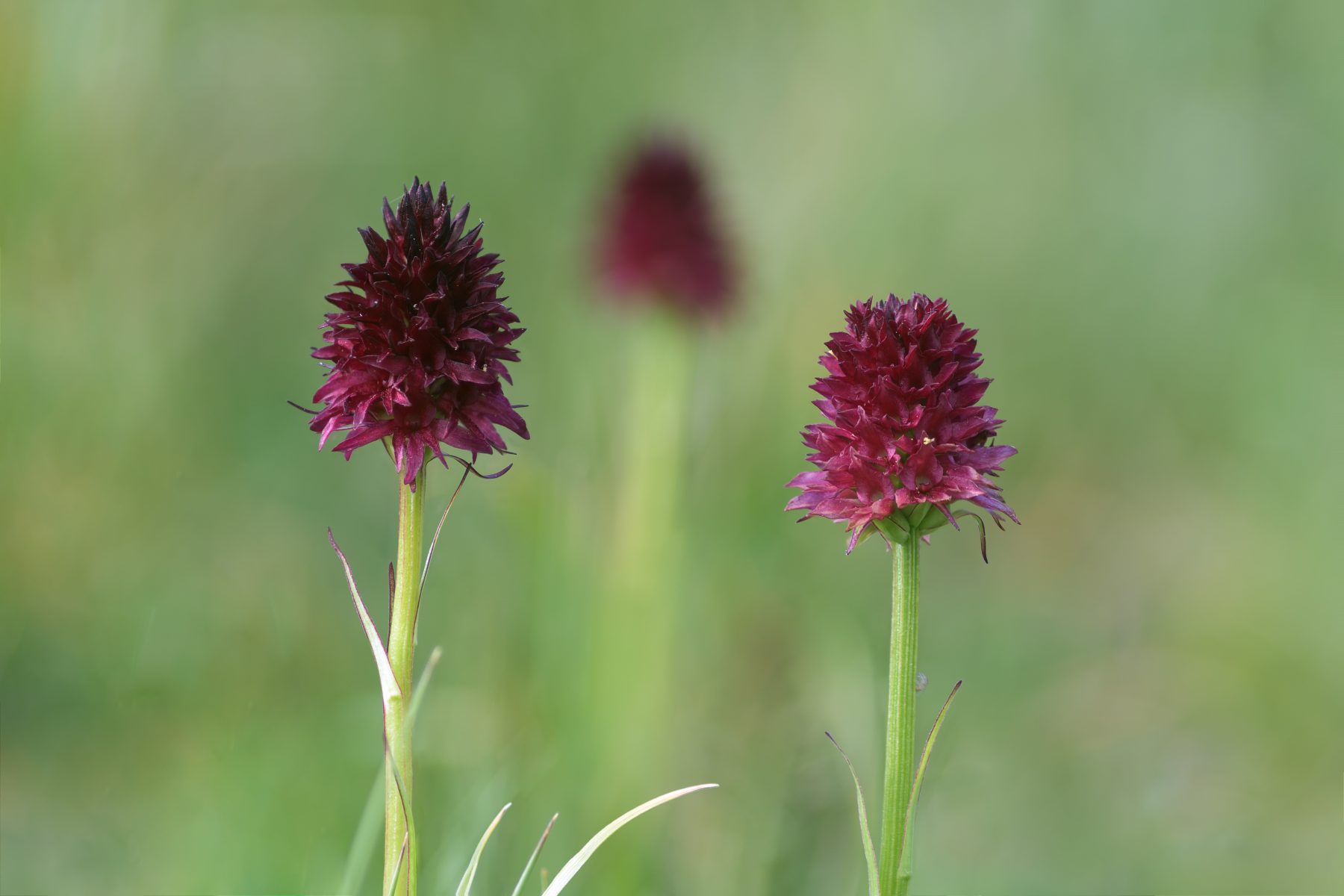
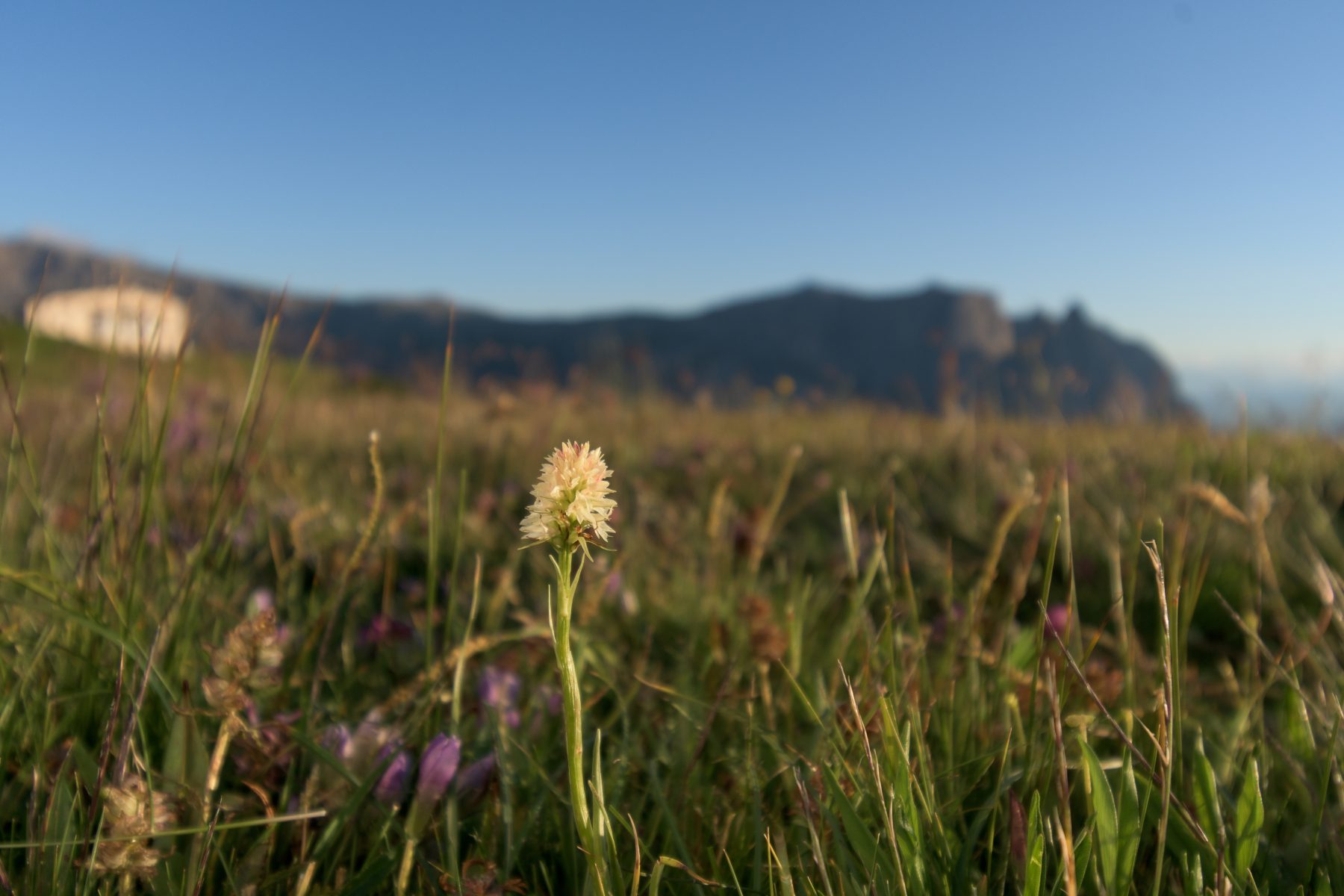
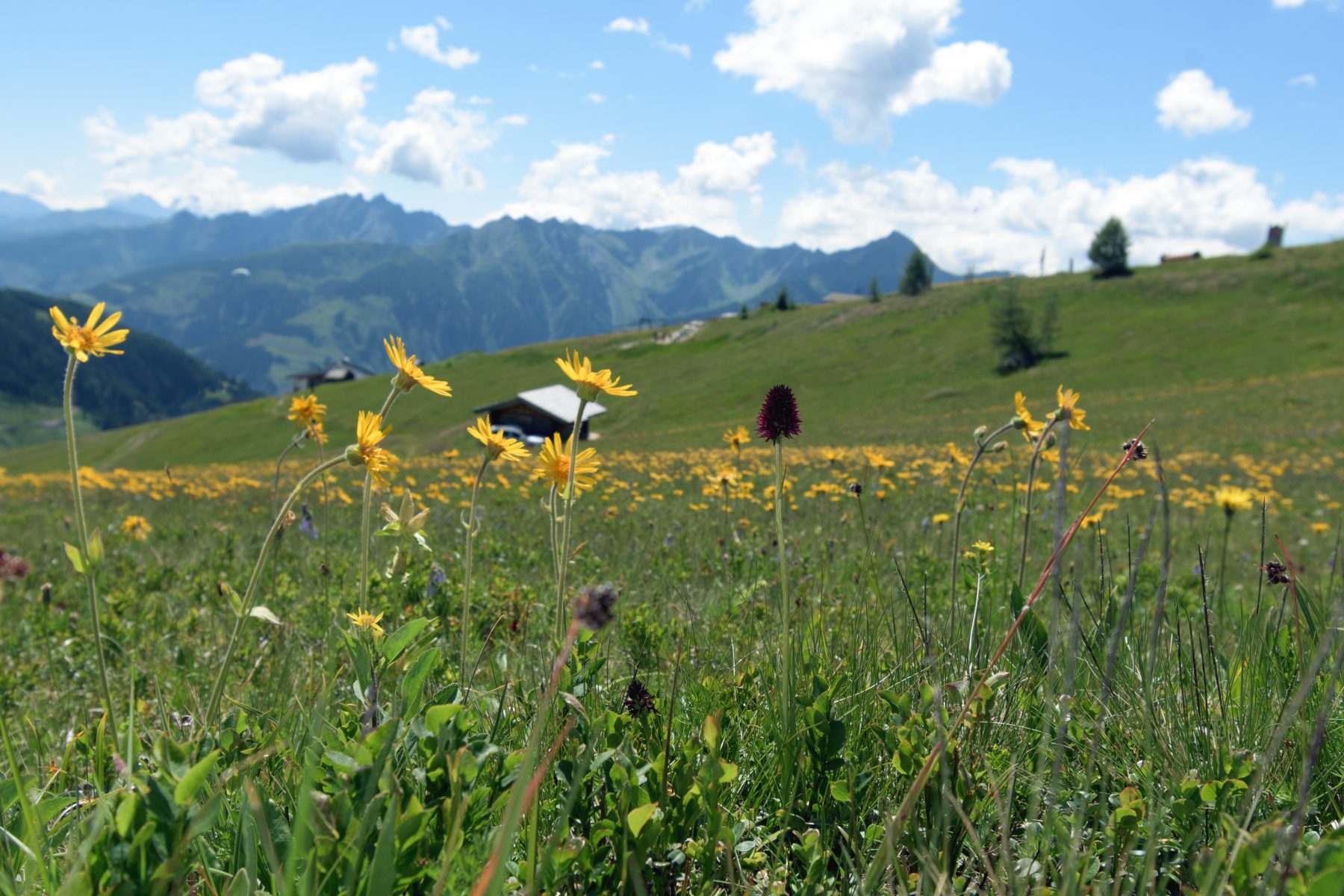
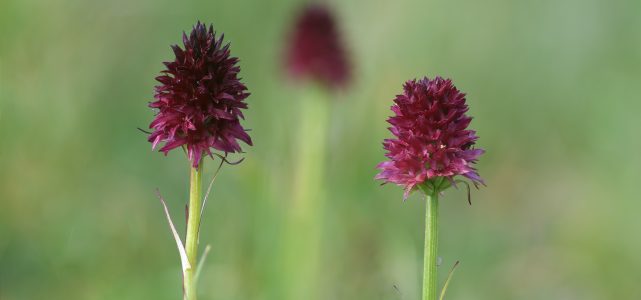
Of all the Nigritella species, Nigritella rhellicani is the most widespread and common. It can be found in most of Europe’s alpine regions, with the exception of the Carpathians and the Pyrenees. In the latter, it is replaced by Nigritella gabasiana, a truly dark black vanilla orchid, while in the former it is represented by Nigritella suceveana/bucegiana, although this species is apomictic. Its range extends southwards through the Balkans as far as Greece. If you happen to be hiking in Austria at elevations of 2,000 metres or above, you may easily come across these small, dark flowers sitting low among the short grass, releasing an intense yet delicate chocolate-and-vanilla scent. Of course, we cannot always be certain that we are looking at N. rhellicani, because particularly in Austria, the very similar Nigritella austriaca also occurs. The latter is somewhat lighter in colour, its inflorescence is more flattened and cone-shaped, and it flowers one or two weeks earlier.
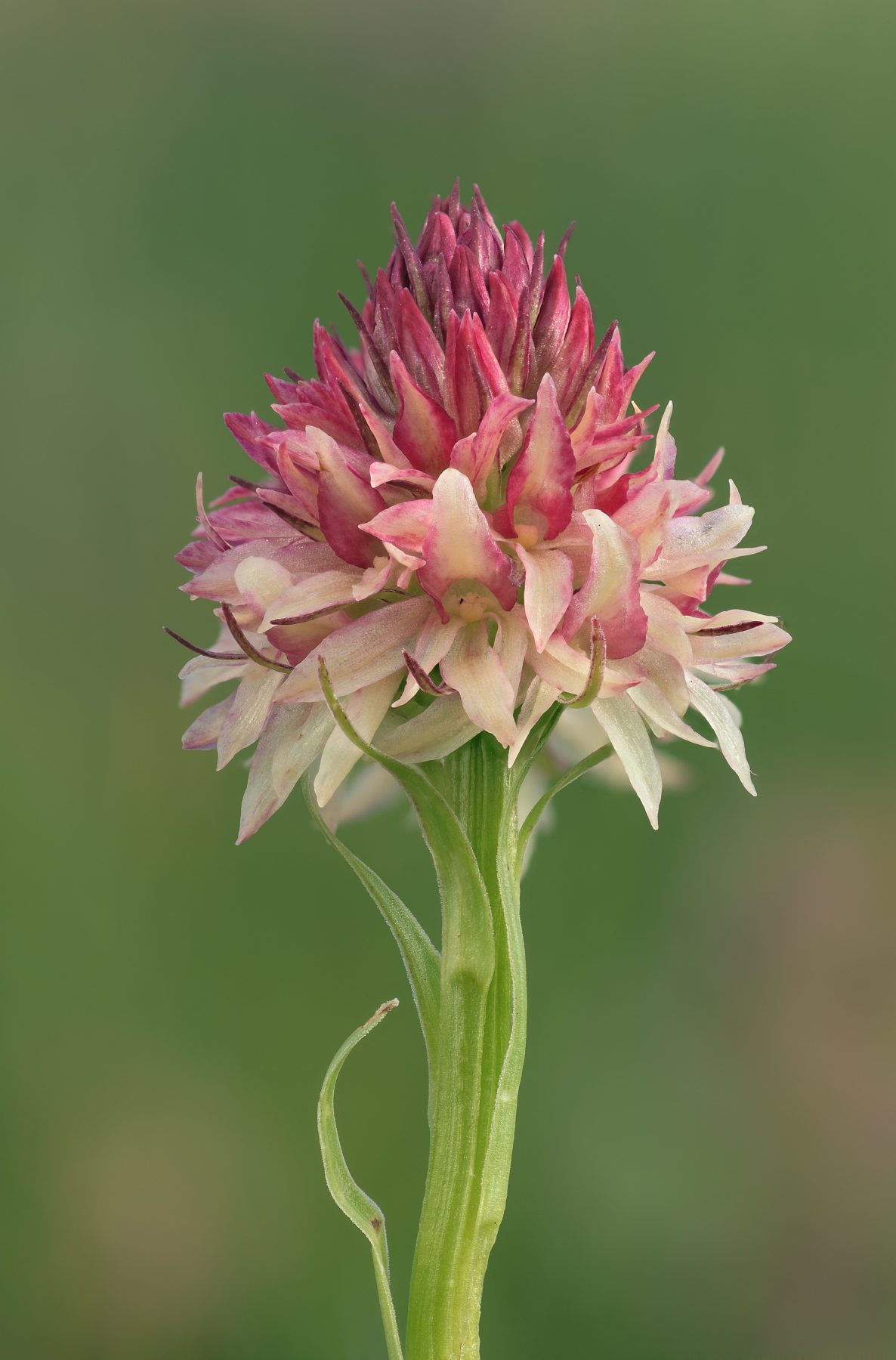
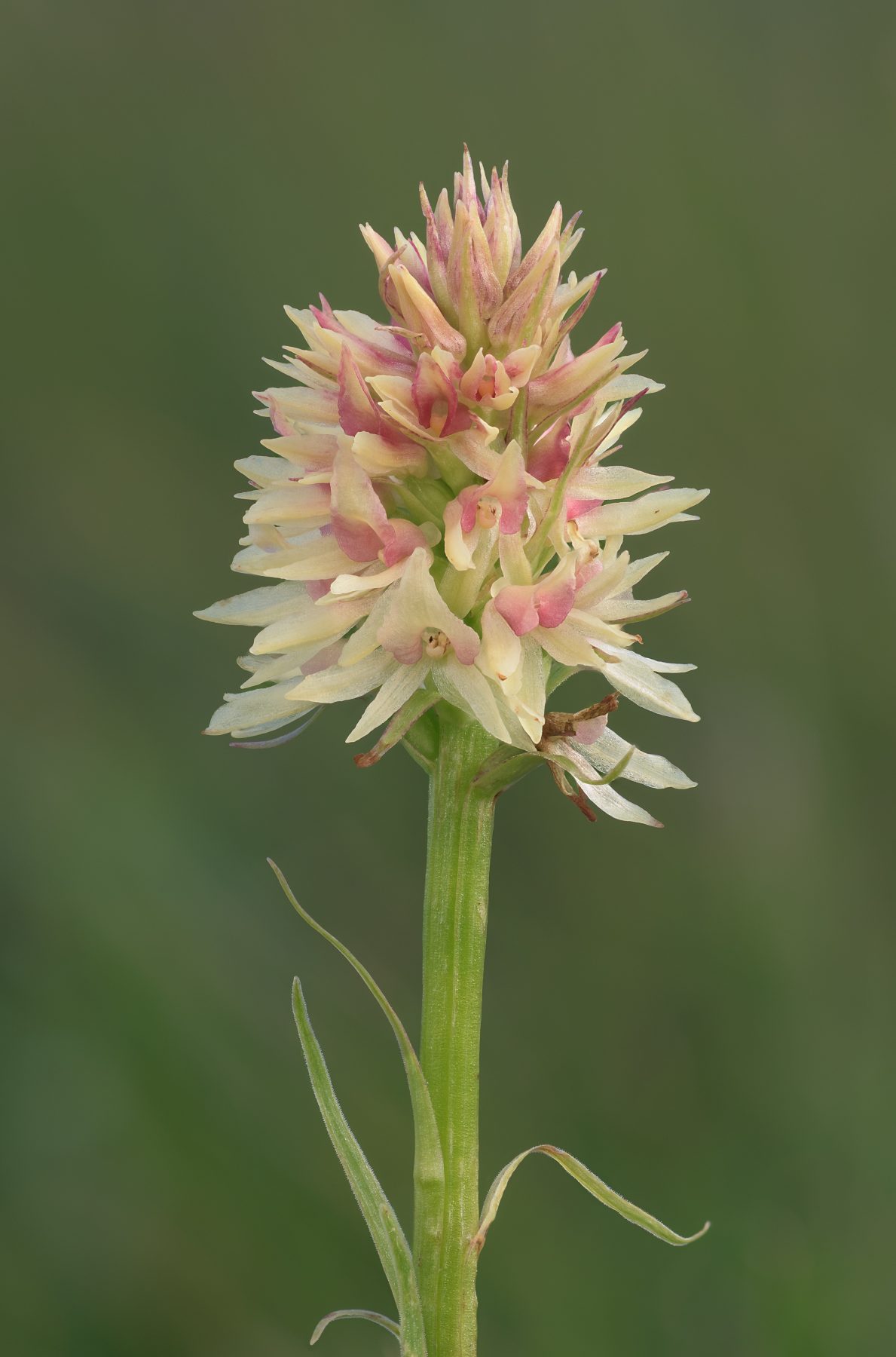
For the same reason, during one of our hikes in the Dolomites, where both species are theoretically present, we were not one hundred percent certain which species we were looking at. Interestingly, colour variants are not uncommon in N. rhellicani, and they can even form entire populations consisting of individuals with a range of different hues. It belongs to the second wave of flowering Nigritella species, beginning to bloom in early July, with flowering often continuing well into August. It was named after the Lutheran Swiss naturalist Johannes Müller, who was also known as Rhellicanus.
Back to the genus Nigritella ↶